THE ADVENTURE COLLECTIVE® · Independent discovery and booking for outdoor travel

See the Giza plateau and Cairo’s Egyptian Museum on a private, skip-the-line tour that pairs monumental archaeology with curated museum displays. Early starts, sun protection, and comfortable shoes are the keys to making the most of this 6-hour cultural outing.
See the Giza plateau and Cairo’s Egyptian Museum on a private, skip-the-line tour that pairs monumental archaeology with curated museum displays. Early starts, sun protection, and comfortable shoes are the keys to making the most of this 6-hour cultural outing.
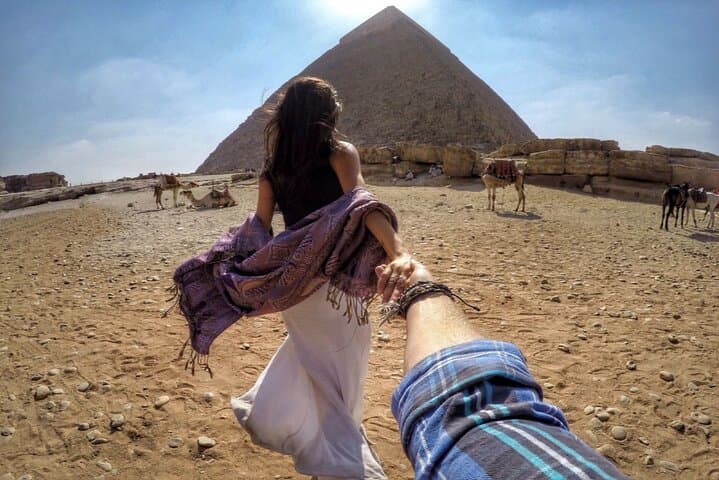
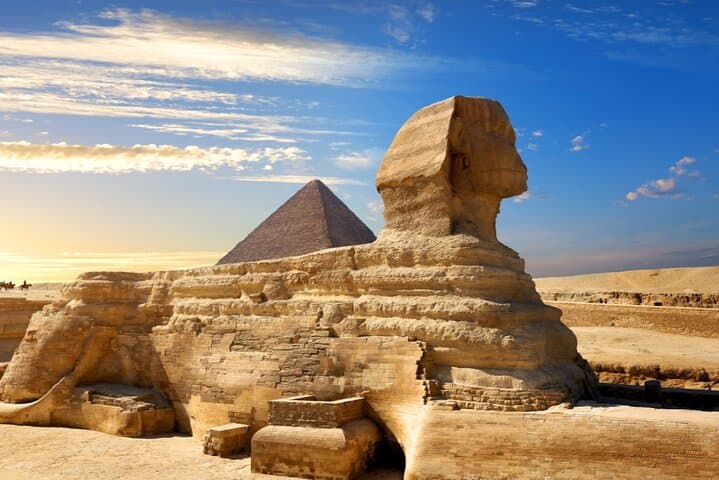
You arrive before the heat takes hold: wind pushes grit across the plateau and the three ancient stones of Giza cut a hard silhouette against a pale blue sky. The Great Pyramid sits like an immovable challenge; the Sphinx watches traffic and tourists with the patience of millennia. The scene is tactile—sand underfoot, limestone dust on your shoes, a guide’s voice tracing measurement and motive across the ruins.
Verified experiences and guided adventures in the surrounding area.
Operated by Get Egypt Vacation · Giza, Giza Governorate
You arrive before the heat takes hold: wind pushes grit across the plateau and the three ancient stones of Giza cut a hard silhouette against a pale blue sky. The Great Pyramid sits like an immovable challenge; the Sphinx watches traffic and tourists with the patience of millennia. The scene is tactile—sand underfoot, limestone dust on your shoes, a guide’s voice tracing measurement and motive across the ruins.
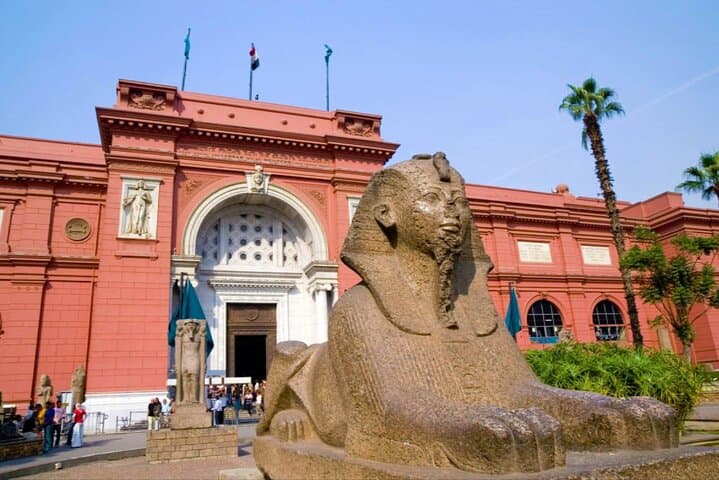
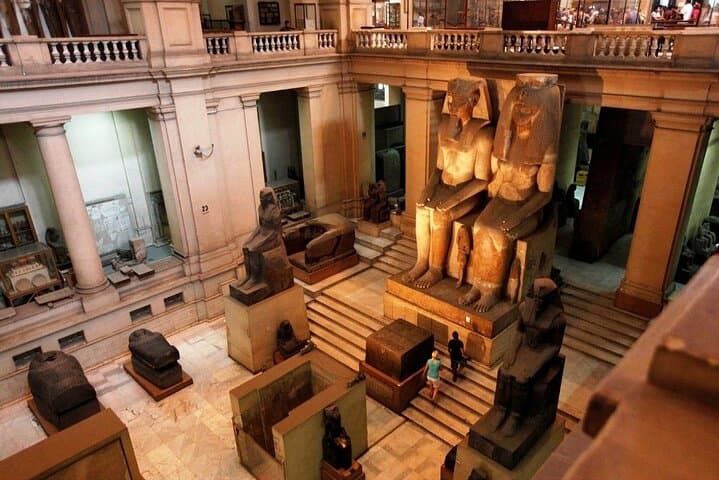
These structures date to Egypt’s Old Kingdom, roughly 4,500 years ago, carved from local limestone and set on a bedrock terrace overlooking the Nile floodplain. The Museum of Egyptian Antiquities in Tahrir collects the country's material culture across 5,000 years: funerary masks, statuary, and Tutankhamun’s gold that survived intact for millennia. Culture here feels both public and sacred—vendors selling papyrus and camel handlers vying for your attention while curators protect delicate objects in climate-controlled rooms.
Practically: expect 2–4 km of walking on mixed packed sand and paved paths with minimal elevation gain (under 50 m) across the plateau. Start early to avoid midday heat and crowds; museums are best mid-morning after arriving via coordinated hotel pickup. Dress modestly for Cairo and wear closed-toe shoes for sand and uneven stones. Bring a 1–2 L water bottle, sun protection, a light scarf for dusty gusts, and small Egyptian pounds for tips and entry fees not covered by the tour. Security checks are standard; plan extra time. Respect signage and avoid touching artifacts or climbing on structures—the sites are fragile and actively conserved.
easy.
4–6 hours.
Light walking fitness; able to walk 2–4 km on uneven surfaces and stand for museum displays.
This tour description notes admissions are included—confirm at booking whether all specific sites and the Tutankhamun gallery entry are covered.
The plateau and museum include uneven surfaces and steps; accessibility may be limited—ask the operator about mobility assistance and alternatives.
Photography rules vary by room; flash is often prohibited and some special exhibits restrict photos—follow onsite signage and your guide’s directions.
Tipping is customary for guides, drivers, and porters; small tips in local currency are appreciated and support local staff.
The Giza complex was constructed during the Fourth Dynasty of the Old Kingdom; the Egyptian Museum houses over 250,000 artifacts, including the intact burial goods of Tutankhamun.
High visitor numbers stress ancient masonry and surrounding ecosystems; follow path restrictions and avoid touching structures. The museum uses climate control to protect organic materials and ongoing conservation programs monitor artifacts.
Get Egypt Vacation operates guided outdoor trips and adventures with an emphasis on safety, stewardship, and memorable experiences.
You arrive before the heat takes hold: wind pushes grit across the plateau and the three ancient stones of Giza cut a hard silhouette against a pale blue sky. The Great Pyramid sits like an immovable challenge; the Sphinx watches traffic and tourists with the patience of millennia. The scene is tactile—sand underfoot, limestone dust on your shoes, a guide’s voice tracing measurement and motive across the ruins.
You arrive before the heat takes hold: wind pushes grit across the plateau and the three ancient stones of Giza cut a hard silhouette against a pale blue sky. The Great Pyramid sits like an immovable challenge; the Sphinx watches traffic and tourists with the patience of millennia. The scene is tactile—sand underfoot, limestone dust on your shoes, a guide’s voice tracing measurement and motive across the ruins.
These structures date to Egypt’s Old Kingdom, roughly 4,500 years ago, carved from local limestone and set on a bedrock terrace overlooking the Nile floodplain. The Museum of Egyptian Antiquities in Tahrir collects the country's material culture across 5,000 years: funerary masks, statuary, and Tutankhamun’s gold that survived intact for millennia. Culture here feels both public and sacred—vendors selling papyrus and camel handlers vying for your attention while curators protect delicate objects in climate-controlled rooms.
Practically: expect 2–4 km of walking on mixed packed sand and paved paths with minimal elevation gain (under 50 m) across the plateau. Start early to avoid midday heat and crowds; museums are best mid-morning after arriving via coordinated hotel pickup. Dress modestly for Cairo and wear closed-toe shoes for sand and uneven stones. Bring a 1–2 L water bottle, sun protection, a light scarf for dusty gusts, and small Egyptian pounds for tips and entry fees not covered by the tour. Security checks are standard; plan extra time. Respect signage and avoid touching artifacts or climbing on structures—the sites are fragile and actively conserved.