THE ADVENTURE COLLECTIVE® · Independent discovery and booking for outdoor travel

Explore a strategic medieval fortress, taste olive-cultivation history at an ethno-agro park and step into the cool chambers of Vranjača Cave on this private 5-hour tour from Split. A practical mix of short climbs, cultural stops and cave geology.
Explore a strategic medieval fortress, taste olive-cultivation history at an ethno-agro park and step into the cool chambers of Vranjača Cave on this private 5-hour tour from Split. A practical mix of short climbs, cultural stops and cave geology.
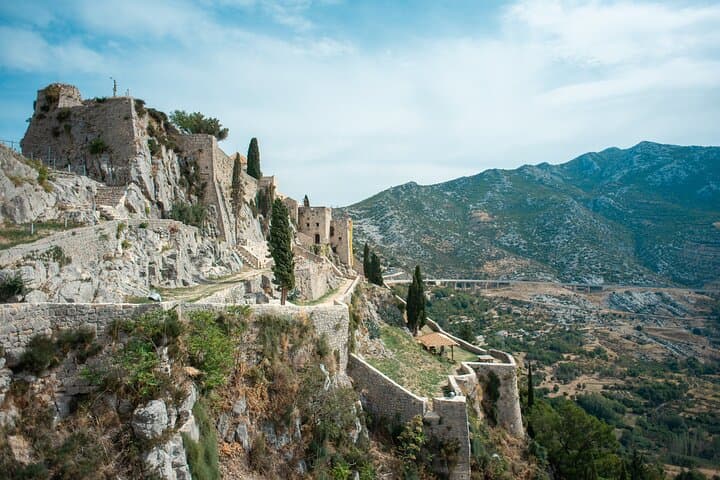
You step out of the air-conditioned van and the Dalmatian light hits the limestone ramparts above you — Klis Fortress crouches between Mosor and Kozjak like a weathered guard watching the sea route inland. The town smells of olive oil and baked pastry; later, cool cave breath will remind you how water sculpts the karst beneath these hills.
Verified experiences and guided adventures in the surrounding area.
Operated by Route Dalmatia · Split, Split-Dalmatia County
You step out of the air-conditioned van and the Dalmatian light hits the limestone ramparts above you — Klis Fortress crouches between Mosor and Kozjak like a weathered guard watching the sea route inland. The town smells of olive oil and baked pastry; later, cool cave breath will remind you how water sculpts the karst beneath these hills.
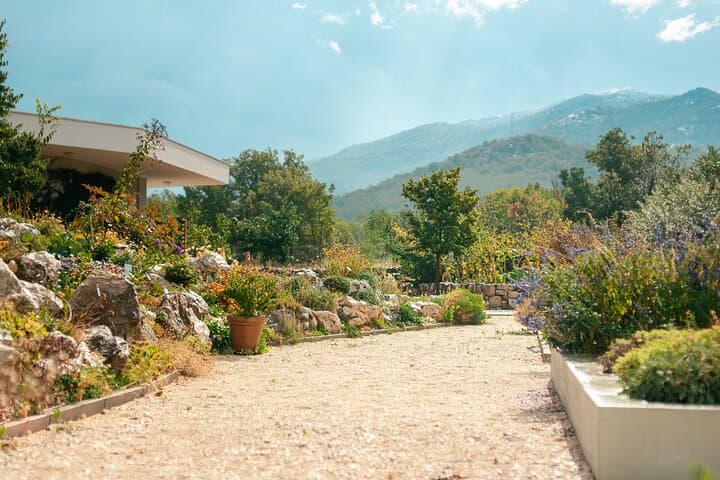
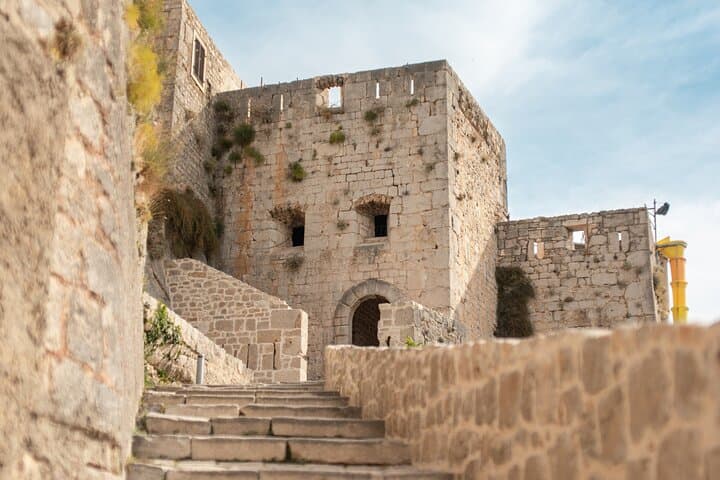
Klis has been a strategic choke point for centuries: medieval Croatian rulers, Venetian administrators and Ottoman forces all fought for control of this narrow pass. The fortress’ terraces, stony staircases and embrasures tell a military history that’s as tactile as the iron-studded gates. A short drive away, Stella Croatica is an ethno-agro park focused on Mediterranean agriculture — olive groves, citrus and traditional Dalmatian baking — and its small Olive Museum lays out cultivation practices that shaped local life for generations.
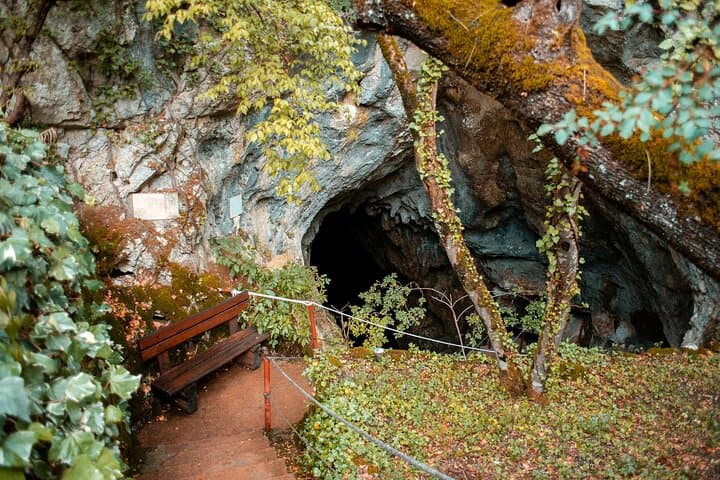
Vranjača Cave closes the loop underground: a speleological site in karst limestone, with stalactites and stalagmites formed by slow water action over millennia. Inside, temperatures drop and passageways narrow; the cave feels like a different climate entirely.
Practical guide: this private, ~5-hour tour from Split mixes short uphill walking, stone steps and easy trails — nothing technical but bring steady footwear and a light layer for the cave (temperatures typically feel cool). Expect some uneven terrain and tight spots in the cave, a combination of history, local food culture and geology. The tour includes licensed guide, private transport and admission to Stella Croatica; confirm cave access and any mobility restrictions when booking. Aim for morning departures to avoid the hottest hours and leave room to savor an olive-oil tasting before returning to Split.
moderate.
5 hours.
Moderate fitness — short uphill sections and stairs; able to climb and descend uneven stone steps.
The tour is about 5 hours and typically includes private transport, a licensed guide, admission to Stella Croatica and stops at Klis Fortress and Vranjača Cave; confirm cave admission with the operator.
Vranjača has uneven floors and narrow passages; it’s generally fine for children who can manage stairs but not recommended for travelers with serious mobility limitations.
Yes — the ethno-agro park includes tastings and demonstrations of olive oil production and traditional pastries as part of the visit.
This is a private tour that departs from Split with transport included; confirm your pickup point when booking and allow flexibility for traffic to Klis.
Klis controlled the narrow corridor between the Adriatic coast and inland Dalmatia for centuries and was a key defensive stronghold during Ottoman–Venetian conflicts; local Uskoci fighters are part of its legend.
The karst landscape is sensitive to development and tourism; follow marked paths, avoid touching cave formations and support local producers who use traditional, low-impact farming methods.
Route Dalmatia operates guided outdoor trips and adventures with an emphasis on safety, stewardship, and memorable experiences.
You step out of the air-conditioned van and the Dalmatian light hits the limestone ramparts above you — Klis Fortress crouches between Mosor and Kozjak like a weathered guard watching the sea route inland. The town smells of olive oil and baked pastry; later, cool cave breath will remind you how water sculpts the karst beneath these hills.
You step out of the air-conditioned van and the Dalmatian light hits the limestone ramparts above you — Klis Fortress crouches between Mosor and Kozjak like a weathered guard watching the sea route inland. The town smells of olive oil and baked pastry; later, cool cave breath will remind you how water sculpts the karst beneath these hills.
Klis has been a strategic choke point for centuries: medieval Croatian rulers, Venetian administrators and Ottoman forces all fought for control of this narrow pass. The fortress’ terraces, stony staircases and embrasures tell a military history that’s as tactile as the iron-studded gates. A short drive away, Stella Croatica is an ethno-agro park focused on Mediterranean agriculture — olive groves, citrus and traditional Dalmatian baking — and its small Olive Museum lays out cultivation practices that shaped local life for generations.
Vranjača Cave closes the loop underground: a speleological site in karst limestone, with stalactites and stalagmites formed by slow water action over millennia. Inside, temperatures drop and passageways narrow; the cave feels like a different climate entirely.
Practical guide: this private, ~5-hour tour from Split mixes short uphill walking, stone steps and easy trails — nothing technical but bring steady footwear and a light layer for the cave (temperatures typically feel cool). Expect some uneven terrain and tight spots in the cave, a combination of history, local food culture and geology. The tour includes licensed guide, private transport and admission to Stella Croatica; confirm cave access and any mobility restrictions when booking. Aim for morning departures to avoid the hottest hours and leave room to savor an olive-oil tasting before returning to Split.