THE ADVENTURE COLLECTIVE® · Independent discovery and booking for outdoor travel

Half-day private tour of Luxor’s East Bank visits Karnak and Luxor Temples with a licensed Egyptologist, entrance fees, hotel pickup, and bottled water included. Walk long colonnades and sandstone courts while learning the history and archaeology behind Egypt’s greatest open‑air museum.
Half-day private tour of Luxor’s East Bank visits Karnak and Luxor Temples with a licensed Egyptologist, entrance fees, hotel pickup, and bottled water included. Walk long colonnades and sandstone courts while learning the history and archaeology behind Egypt’s greatest open‑air museum.
You step from an air-conditioned van onto sun-baked stone and the Nile’s slow current seems to urge you upriver toward a city built around ritual. Columns tower like old guards at Karnak; hieroglyphs crawl across walls that still remember ceremonies and chants. Nearby, Luxor Temple sits lower, its sandstone warmed by the same light that has tracked the coming and going of pharaohs.
Verified experiences and guided adventures in the surrounding area.
Operated by Nile River Cruise · Luxor, Luxor Governorate
You step from an air-conditioned van onto sun-baked stone and the Nile’s slow current seems to urge you upriver toward a city built around ritual. Columns tower like old guards at Karnak; hieroglyphs crawl across walls that still remember ceremonies and chants. Nearby, Luxor Temple sits lower, its sandstone warmed by the same light that has tracked the coming and going of pharaohs.
Karnak grew over roughly 2,000 years as each ruler added hypostyles, obelisks and shrines; Luxor Temple, built largely by Amenhotep III and Ramses II, anchored the Opet Festival that linked the living king with Amun. The geology is simple — Nubian sandstone quarried south at Gebel el-Silsila — but the scale and workmanship create an uneasy intimacy between human labor and raw rock.
Expect wide paved avenues, uneven flagstones, shaded niches and open courts exposed to sun. Tours usually include skip-free entrance and a qualified Egyptologist to untangle pharaonic names, dynasties and iconography. Local culture is tactile: vendors near the gates, mosque calls in the distance, and boat traffic on the Nile reminding you this is still a lived landscape.
Practical guidance: wear stout walking shoes, sun protection and carry a refillable water bottle; pace yourself through long colonnades and allow time for shade stops. Photography is allowed in most areas but avoid touching reliefs; follow your guide’s route to protect fragile surfaces. Morning or late-afternoon tours cut the heat and add richer light for reliefs and columns.
easy.
6 hours.
Suitable for most fitness levels; involves several hours of walking on uneven surfaces and low steps.
Yes — entrance fees to Karnak and Luxor Temples are included in the tour price.
The tour states wheelchair-accessible options; contact the operator ahead to confirm pickup logistics and specific site access limitations.
Photography is generally allowed in open areas; avoid flash in sensitive spots and follow guide instructions regarding restricted zones.
Hotel pickup and drop-off on the East Bank are included; you’ll confirm the pickup point and time at booking.
Karnak accumulated construction across dynasties; Luxor Temple was central to the annual Opet Festival linking the pharaoh with Amun-Re.
The sites face wear from tourism and restoration is ongoing; stay on marked paths, avoid touching reliefs, and support licensed guides to minimize impact.
Nile River Cruise operates guided outdoor trips and adventures with an emphasis on safety, stewardship, and memorable experiences.
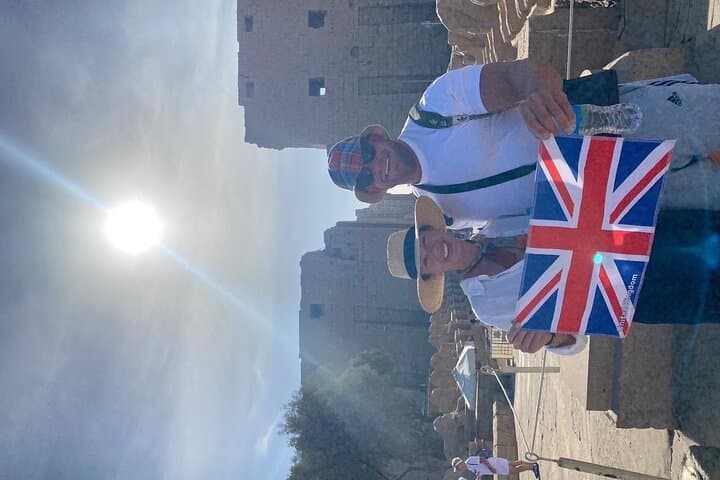
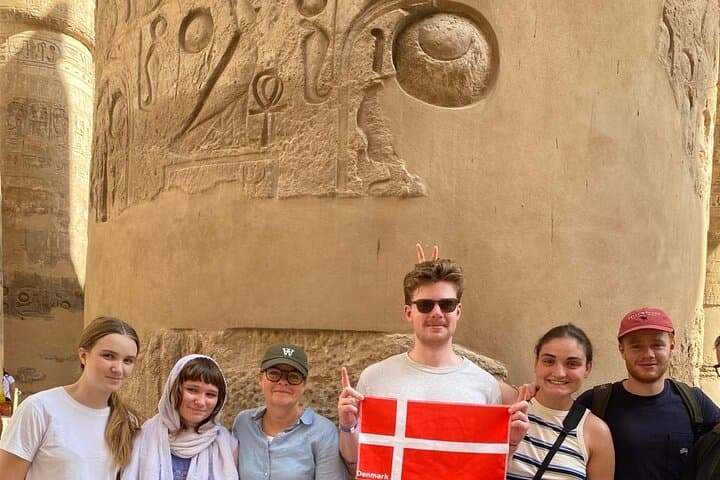
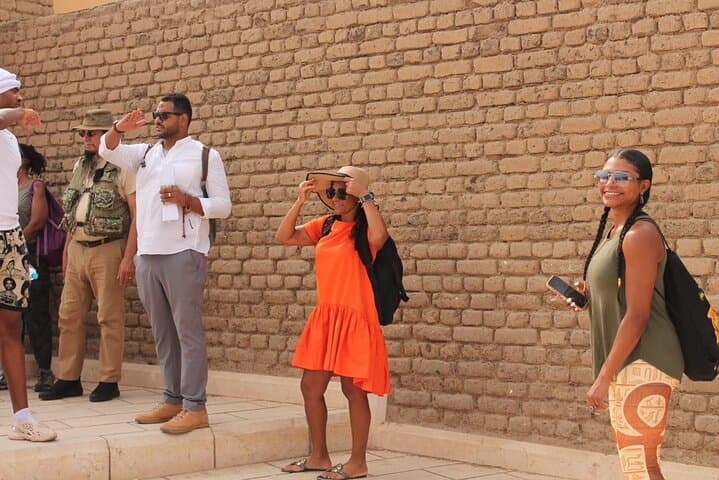
You step from an air-conditioned van onto sun-baked stone and the Nile’s slow current seems to urge you upriver toward a city built around ritual. Columns tower like old guards at Karnak; hieroglyphs crawl across walls that still remember ceremonies and chants. Nearby, Luxor Temple sits lower, its sandstone warmed by the same light that has tracked the coming and going of pharaohs.
You step from an air-conditioned van onto sun-baked stone and the Nile’s slow current seems to urge you upriver toward a city built around ritual. Columns tower like old guards at Karnak; hieroglyphs crawl across walls that still remember ceremonies and chants. Nearby, Luxor Temple sits lower, its sandstone warmed by the same light that has tracked the coming and going of pharaohs.
Karnak grew over roughly 2,000 years as each ruler added hypostyles, obelisks and shrines; Luxor Temple, built largely by Amenhotep III and Ramses II, anchored the Opet Festival that linked the living king with Amun. The geology is simple — Nubian sandstone quarried south at Gebel el-Silsila — but the scale and workmanship create an uneasy intimacy between human labor and raw rock.
Expect wide paved avenues, uneven flagstones, shaded niches and open courts exposed to sun. Tours usually include skip-free entrance and a qualified Egyptologist to untangle pharaonic names, dynasties and iconography. Local culture is tactile: vendors near the gates, mosque calls in the distance, and boat traffic on the Nile reminding you this is still a lived landscape.
Practical guidance: wear stout walking shoes, sun protection and carry a refillable water bottle; pace yourself through long colonnades and allow time for shade stops. Photography is allowed in most areas but avoid touching reliefs; follow your guide’s route to protect fragile surfaces. Morning or late-afternoon tours cut the heat and add richer light for reliefs and columns.