THE ADVENTURE COLLECTIVE® · Independent discovery and booking for outdoor travel

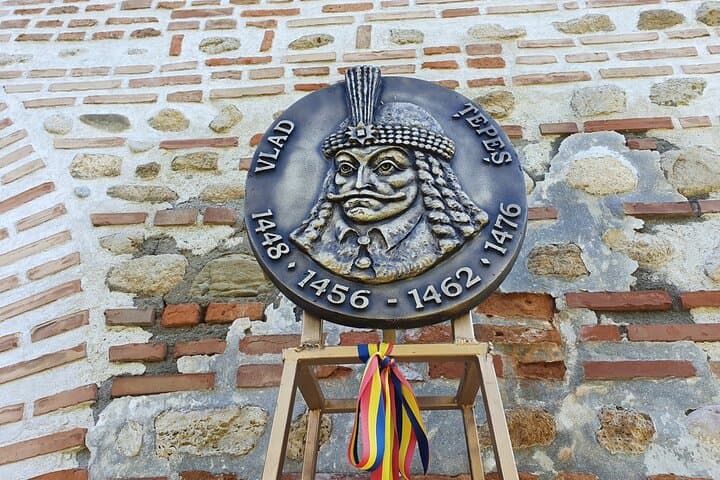
Spend a day between Bucharest’s political landmarks, the open‑air Village Museum, and the island monastery at Snagov where legend says Vlad Țepeș rests. This private eight‑hour tour blends recent history, rural crafts, and lakeside mystery.
Spend a day between Bucharest’s political landmarks, the open‑air Village Museum, and the island monastery at Snagov where legend says Vlad Țepeș rests. This private eight‑hour tour blends recent history, rural crafts, and lakeside mystery.
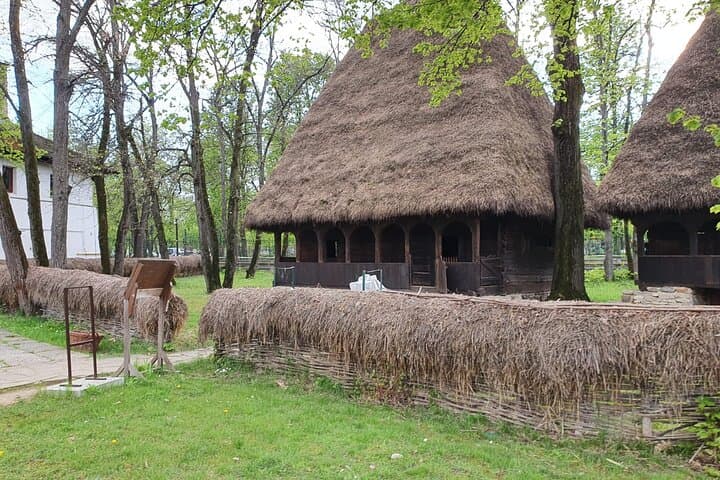
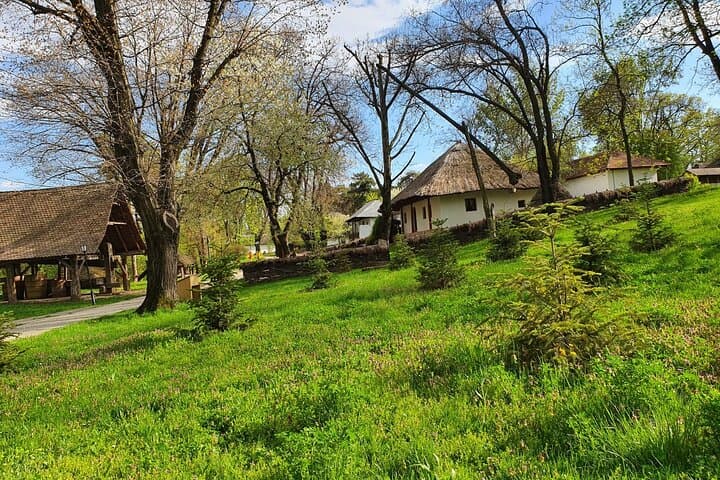
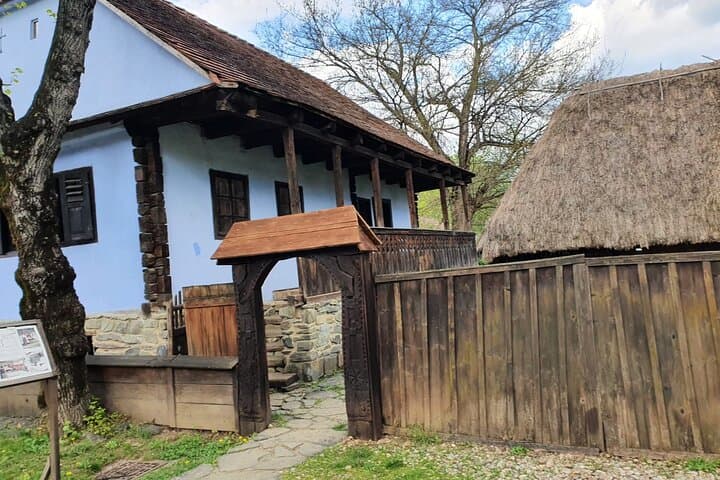
A morning in Bucharest begins with the city breathing around you: tram bells along Calea Victoriei, plaster façades cooling in shade, and a private car idling at the curb. This eight‑hour circuit moves from the compact open‑air Village Museum—wooden houses and windmills that speak of rural Romania—to the marble strictness of the Ceaușescu family’s Primăverii residence, and then out of the city to Snagov Island, where local lore places Vlad Țepeș’s burial.
Verified experiences and guided adventures in the surrounding area.
Operated by Nicolas Experience Tours · Bucharest, Bucharest
A morning in Bucharest begins with the city breathing around you: tram bells along Calea Victoriei, plaster façades cooling in shade, and a private car idling at the curb. This eight‑hour circuit moves from the compact open‑air Village Museum—wooden houses and windmills that speak of rural Romania—to the marble strictness of the Ceaușescu family’s Primăverii residence, and then out of the city to Snagov Island, where local lore places Vlad Țepeș’s burial.
The route threads recent history and older traditions. On Calea Victoriei and Revolution Square you’ll see the physical marks of 1989 and the layers of Romania’s 20th‑century politics; at the Village Museum you’ll examine vernacular carpentry, roofing, and subsistence layouts that reveal ecological practices pre‑industrialization. Snagov sits on lacustrine deposits north of Bucharest—reed beds, slow channels, and an island monastery whose grave is part history, part myth.
Expect a mix of easy walking on flat museum paths and short strolls at lakeside; this is a cultural drive with interpretive stops rather than a hike. Practicalities: carry water, comfortable shoes, and a light jacket for the monastery’s shaded cloister. Plan for midday traffic when leaving the city and check opening hours if you want to enter specific palaces or churches—some sites require separate admission.
A private guide here adds value: context for communist‑era architecture, explanations of rural construction techniques, and local stories that make the stops more than photo ops. For travelers who want a compact, varied day around Bucharest, this tour pairs accessible exploration with deep cultural notes.
easy.
6 hours.
Suitable for most fitness levels; involves short amounts of walking and standing at sites.
No—this private tour provides guide and transport; entrance fees to museums, the monastery, or palaces are typically not included and should be paid on site.
The tour visits Snagov Monastery on Snagov Island, about 40 minutes north of central Bucharest; local tradition links the site to Vlad Țepeș, though historical evidence is debated.
Yes; the itinerary is rated easy with mostly short, flat walks, but some areas (island steps or older buildings) may be less accessible—contact the operator about specific needs.
Pickup options are flexible and typically arranged at booking—confirm your preferred pickup point when you reserve the tour.
The tour links two eras: traditional rural life preserved at the Village Museum and the recent political narrative marked by Ceaușescu’s regime and the 1989 Revolution in central Bucharest.
Snagov’s wetland habitat is sensitive—avoid littering and stay on paths; the Village Museum practices careful preservation of wooden structures to reduce accelerated decay.
Nicolas Experience Tours operates guided outdoor trips and adventures with an emphasis on safety, stewardship, and memorable experiences.
A morning in Bucharest begins with the city breathing around you: tram bells along Calea Victoriei, plaster façades cooling in shade, and a private car idling at the curb. This eight‑hour circuit moves from the compact open‑air Village Museum—wooden houses and windmills that speak of rural Romania—to the marble strictness of the Ceaușescu family’s Primăverii residence, and then out of the city to Snagov Island, where local lore places Vlad Țepeș’s burial.
A morning in Bucharest begins with the city breathing around you: tram bells along Calea Victoriei, plaster façades cooling in shade, and a private car idling at the curb. This eight‑hour circuit moves from the compact open‑air Village Museum—wooden houses and windmills that speak of rural Romania—to the marble strictness of the Ceaușescu family’s Primăverii residence, and then out of the city to Snagov Island, where local lore places Vlad Țepeș’s burial.
The route threads recent history and older traditions. On Calea Victoriei and Revolution Square you’ll see the physical marks of 1989 and the layers of Romania’s 20th‑century politics; at the Village Museum you’ll examine vernacular carpentry, roofing, and subsistence layouts that reveal ecological practices pre‑industrialization. Snagov sits on lacustrine deposits north of Bucharest—reed beds, slow channels, and an island monastery whose grave is part history, part myth.
Expect a mix of easy walking on flat museum paths and short strolls at lakeside; this is a cultural drive with interpretive stops rather than a hike. Practicalities: carry water, comfortable shoes, and a light jacket for the monastery’s shaded cloister. Plan for midday traffic when leaving the city and check opening hours if you want to enter specific palaces or churches—some sites require separate admission.
A private guide here adds value: context for communist‑era architecture, explanations of rural construction techniques, and local stories that make the stops more than photo ops. For travelers who want a compact, varied day around Bucharest, this tour pairs accessible exploration with deep cultural notes.