THE ADVENTURE COLLECTIVE® · Independent discovery and booking for outdoor travel

Spend a day leaving Florence to explore Cinque Terre’s cliffside villages and Pisa’s iconic Leaning Tower. This private small-group tour combines van transfers, boat options, local trains and short coastal hikes for a compact but varied coastal experience.
Spend a day leaving Florence to explore Cinque Terre’s cliffside villages and Pisa’s iconic Leaning Tower. This private small-group tour combines van transfers, boat options, local trains and short coastal hikes for a compact but varied coastal experience.
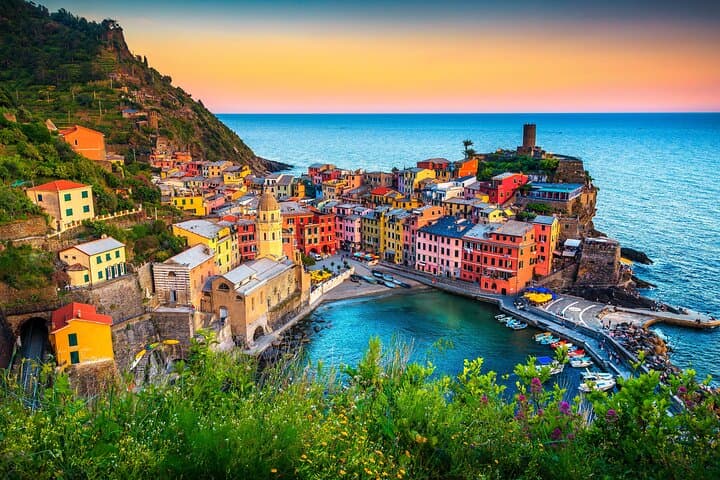
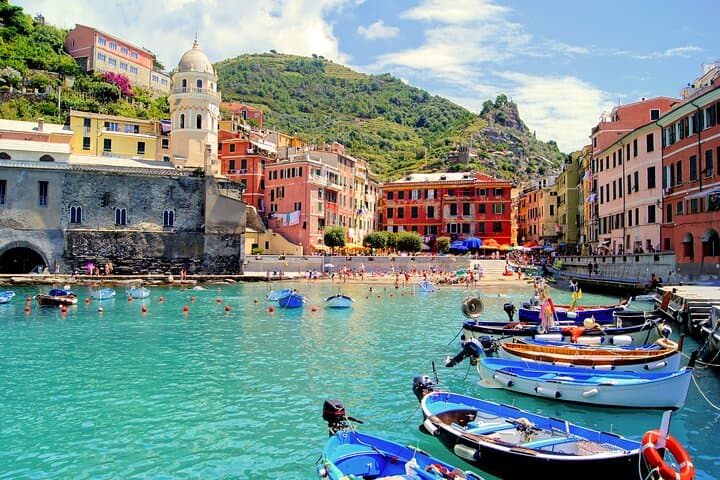
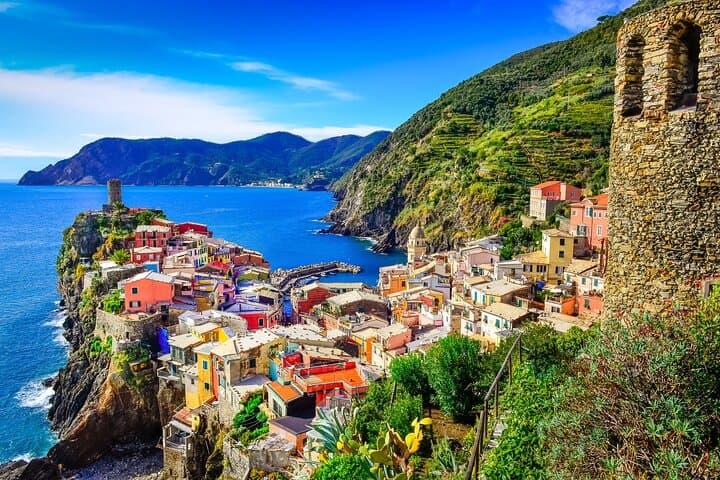
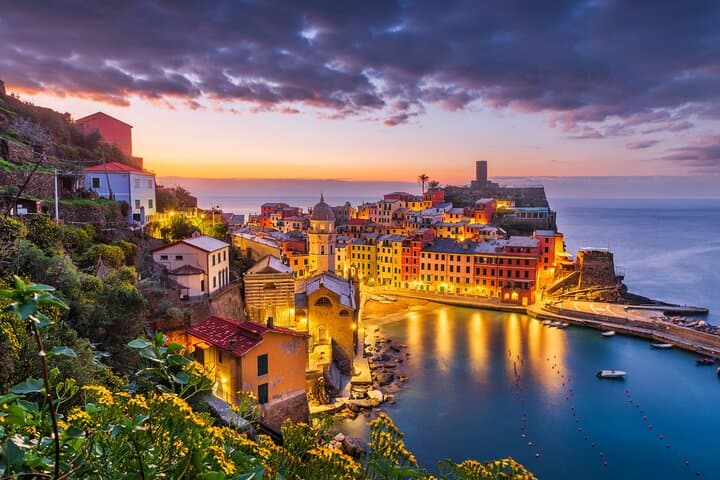
You step out of a black Mercedes minivan into a patchwork of pastel houses clinging to the Ligurian cliffs; the Mediterranean smells of salt and grilled fish push at your jacket as gulls wheel overhead. The day moves fast—Florence fades behind you and the coastline draws closer, each village offering a different rhythm: Manarola’s narrow alleys, Monterosso’s broad promenade, Vernazza’s busy natural harbor.
Verified experiences and guided adventures in the surrounding area.
Operated by I Just Drive · Florence, Tuscany
You step out of a black Mercedes minivan into a patchwork of pastel houses clinging to the Ligurian cliffs; the Mediterranean smells of salt and grilled fish push at your jacket as gulls wheel overhead. The day moves fast—Florence fades behind you and the coastline draws closer, each village offering a different rhythm: Manarola’s narrow alleys, Monterosso’s broad promenade, Vernazza’s busy natural harbor.
Geology here is visible in the stepped terraces—ancient stone walls built to tame steep slopes of marl and sandstone for vineyards. Cinque Terre’s five villages grew from medieval fishing hamlets and later became part of regional trade routes; the area is a UNESCO World Heritage site for its cultural landscape. Culture is tactile: hand-pressed pesto, salt-cured anchovies, and trains that stitch communities together where roads could not.
The tour blends transport modes: van, short boat hops (seasonal), the local train and optional cliff-footpaths. Trails vary from packed stone steps to narrow coastal paths—expect exposed sections with uneven footing and brief steep climbs; some hikes are pay-to-enter. Pisa’s Piazza dei Miracoli closes the loop with the Leaning Tower and Romanesque façades, a stark contrast to Liguria’s cliffs.
Practical guidance: wear supportive walking shoes with good grip, bring a light waterproof layer and quick-dry clothing, and pack sun protection and a refillable bottle—the tour provides bottled water but refill options are limited. Start early to avoid peak crowds in Vernazza and Pisa; if you want to climb the tower reserve tickets in advance. Be prepared for weather-dependent boat operations between April and mid-October; trains provide the reliable backup.
moderate.
7–8 hours.
Moderate fitness—able to walk on uneven terrain and handle short steep sections for 30–120 minutes at a time
Boat segments are included when weather permits, but public boat service runs seasonally (typically April to mid-October) and may be canceled in rough conditions; trains are used as the reliable alternate.
No—entrance and ascent tickets for the Leaning Tower are not included; you can buy them in advance online and schedule around the tour's Pisa stop if you choose to climb.
Expect short hikes on ancient footpaths—some sections take 30–120 minutes and feature steep, uneven or narrow routes; the tour offers train or van options if you prefer less walking.
Pickup and drop-off are available in Florence at arranged hotel or designated meeting points; confirm your pickup point when booking.
The Cinque Terre villages developed as fortified fishing communities and terraced agricultural sites; their stone terraces and retaining walls reflect centuries of human adaptation to steep coastal geology.
The region limits development and emphasizes trail maintenance and responsible tourism—stick to marked paths, avoid littering, and favor trains and boats over private cars to reduce local impact.
I Just Drive operates guided outdoor trips and adventures with an emphasis on safety, stewardship, and memorable experiences.
You step out of a black Mercedes minivan into a patchwork of pastel houses clinging to the Ligurian cliffs; the Mediterranean smells of salt and grilled fish push at your jacket as gulls wheel overhead. The day moves fast—Florence fades behind you and the coastline draws closer, each village offering a different rhythm: Manarola’s narrow alleys, Monterosso’s broad promenade, Vernazza’s busy natural harbor.
You step out of a black Mercedes minivan into a patchwork of pastel houses clinging to the Ligurian cliffs; the Mediterranean smells of salt and grilled fish push at your jacket as gulls wheel overhead. The day moves fast—Florence fades behind you and the coastline draws closer, each village offering a different rhythm: Manarola’s narrow alleys, Monterosso’s broad promenade, Vernazza’s busy natural harbor.
Geology here is visible in the stepped terraces—ancient stone walls built to tame steep slopes of marl and sandstone for vineyards. Cinque Terre’s five villages grew from medieval fishing hamlets and later became part of regional trade routes; the area is a UNESCO World Heritage site for its cultural landscape. Culture is tactile: hand-pressed pesto, salt-cured anchovies, and trains that stitch communities together where roads could not.
The tour blends transport modes: van, short boat hops (seasonal), the local train and optional cliff-footpaths. Trails vary from packed stone steps to narrow coastal paths—expect exposed sections with uneven footing and brief steep climbs; some hikes are pay-to-enter. Pisa’s Piazza dei Miracoli closes the loop with the Leaning Tower and Romanesque façades, a stark contrast to Liguria’s cliffs.
Practical guidance: wear supportive walking shoes with good grip, bring a light waterproof layer and quick-dry clothing, and pack sun protection and a refillable bottle—the tour provides bottled water but refill options are limited. Start early to avoid peak crowds in Vernazza and Pisa; if you want to climb the tower reserve tickets in advance. Be prepared for weather-dependent boat operations between April and mid-October; trains provide the reliable backup.