THE ADVENTURE COLLECTIVE® · Independent discovery and booking for outdoor travel

Spend a half-day on the Brazilian side of Iguazu National Park, taking in sweeping frontal views and the thunder of Devil’s Throat. This private guided tour includes transport, a bilingual guide, and access to the walkways and glass lift—ideal for photographers and first-time visitors.
Spend a half-day on the Brazilian side of Iguazu National Park, taking in sweeping frontal views and the thunder of Devil’s Throat. This private guided tour includes transport, a bilingual guide, and access to the walkways and glass lift—ideal for photographers and first-time visitors.
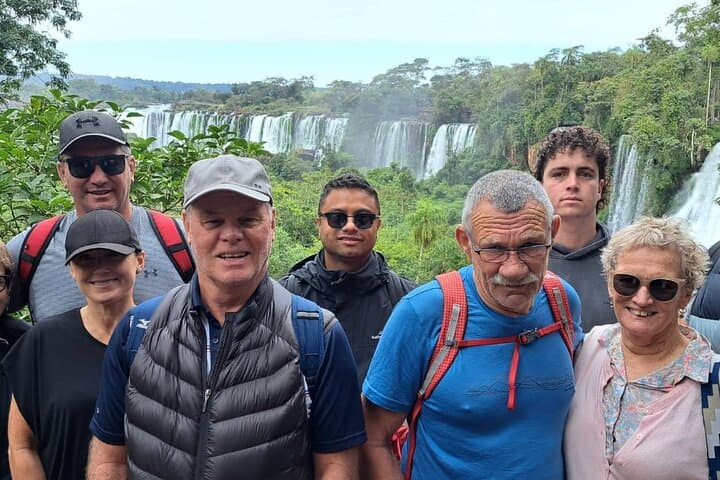
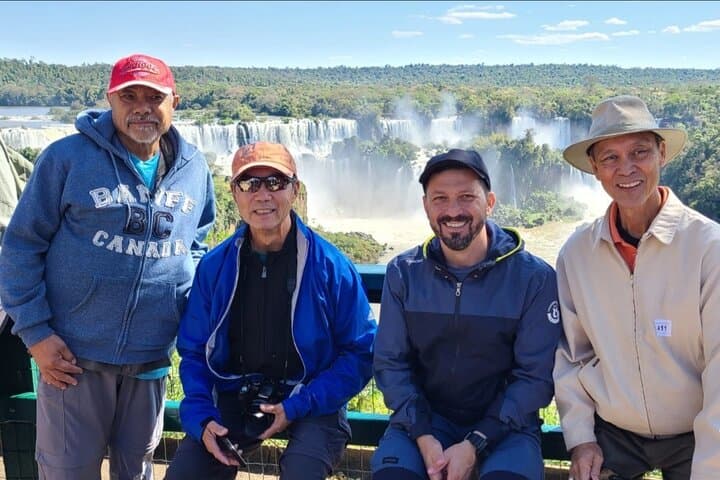
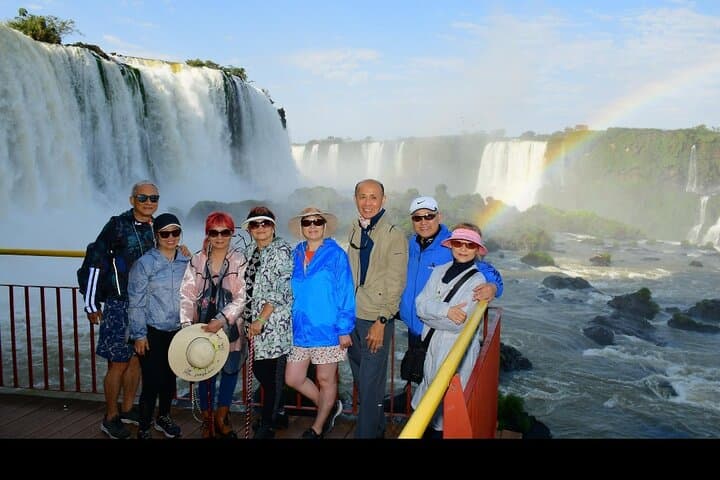
The morning opens with the roar before the view: mist rising like breath from the gorge, sunlight cutting through spray, and a line of elevated walkways that lead visitors to the lip of the falls. On the Brazilian side of Iguazu National Park the panorama is immediate—broad, frontal views of cascades and the steaming chasm of Devil’s Throat dominate the scene.
Verified experiences and guided adventures in the surrounding area.
Operated by SCA Falls Tour · Foz do Iguaçu, Paraná
The morning opens with the roar before the view: mist rising like breath from the gorge, sunlight cutting through spray, and a line of elevated walkways that lead visitors to the lip of the falls. On the Brazilian side of Iguazu National Park the panorama is immediate—broad, frontal views of cascades and the steaming chasm of Devil’s Throat dominate the scene.
Geology here is dramatic and legible. Basalt flows from ancient eruptions fractured along fault lines, and the Paraná River has since exploited those seams to carve the stepped cataracts seen today. The falls sit in subtropical Atlantic Forest, where local Guarani history and modern conservation intersect—the park earned UNESCO protection for its geological spectacle and biodiversity.
Culturally, the region mixes Brazilian hospitality in Foz do Iguaçu with cross-border rhythms; guides often point out how trade, hydroelectric projects, and tourism shaped the town. Expect interpretive stops: viewpoints, brief rainforest edges where coatis bolden the path, and a glass lift that rises to a top deck.
Practical guidance: arrive at opening to beat crowds and maximize light for photos; wear grippy, water-resistant shoes and quick-dry layers—the boardwalks are wet and wind channels the spray. The park train shortens walking time but plan several hours for lines and customs if crossing borders. Bring a waterproof camera cover, modest snacks, and insect repellent; bottled water is available. For accessibility, the Brazilian side offers a single, well-maintained trail with wheelchair-friendly sections and concentrated viewpoints—perfect for those who want sweeping vistas without an all-day trek.
easy.
5–7 hours.
Suitable for most fitness levels; involves standing, short uphill ramps and multiple boardwalks—minimal sustained exertion.
You should purchase or carry the park entrance ticket; many tours advise buying tickets on arrival or confirming inclusion with the operator—book early in high season.
Yes—the Brazilian side has accessible sections and the main viewing platforms and glass lift accommodate wheelchairs, though some transfer assistance may be required.
Visiting both sides in one day is possible but tight; customs and border processing can add time—plan extra hours and confirm logistics with your guide or tour operator.
Expect coatis scavenging near viewpoints, toucans and hummingbirds in the forest edges, and occasional howler monkeys or capuchins in quieter parts of the park.
Iguazu Falls sits where basalt from ancient volcanic flows fractured during tectonic shifts; the park became a protected area and UNESCO World Heritage Site for its geological and biological value.
Visitors should stay on marked walkways, avoid feeding wildlife, and use park services to minimize footprints—the Atlantic Forest remnants here are fragile and actively managed.
SCA Falls Tour operates guided outdoor trips and adventures with an emphasis on safety, stewardship, and memorable experiences.

The morning opens with the roar before the view: mist rising like breath from the gorge, sunlight cutting through spray, and a line of elevated walkways that lead visitors to the lip of the falls. On the Brazilian side of Iguazu National Park the panorama is immediate—broad, frontal views of cascades and the steaming chasm of Devil’s Throat dominate the scene.
The morning opens with the roar before the view: mist rising like breath from the gorge, sunlight cutting through spray, and a line of elevated walkways that lead visitors to the lip of the falls. On the Brazilian side of Iguazu National Park the panorama is immediate—broad, frontal views of cascades and the steaming chasm of Devil’s Throat dominate the scene.
Geology here is dramatic and legible. Basalt flows from ancient eruptions fractured along fault lines, and the Paraná River has since exploited those seams to carve the stepped cataracts seen today. The falls sit in subtropical Atlantic Forest, where local Guarani history and modern conservation intersect—the park earned UNESCO protection for its geological spectacle and biodiversity.
Culturally, the region mixes Brazilian hospitality in Foz do Iguaçu with cross-border rhythms; guides often point out how trade, hydroelectric projects, and tourism shaped the town. Expect interpretive stops: viewpoints, brief rainforest edges where coatis bolden the path, and a glass lift that rises to a top deck.
Practical guidance: arrive at opening to beat crowds and maximize light for photos; wear grippy, water-resistant shoes and quick-dry layers—the boardwalks are wet and wind channels the spray. The park train shortens walking time but plan several hours for lines and customs if crossing borders. Bring a waterproof camera cover, modest snacks, and insect repellent; bottled water is available. For accessibility, the Brazilian side offers a single, well-maintained trail with wheelchair-friendly sections and concentrated viewpoints—perfect for those who want sweeping vistas without an all-day trek.