THE ADVENTURE COLLECTIVE® · Independent discovery and booking for outdoor travel

Trade checklist sightseeing for a tailored 2–4 hour walk with a Local Friend through Tokyo’s neighborhoods. Expect curated routes that blend iconic sights with hidden streets, seasonal parks, and local food stops.
Trade checklist sightseeing for a tailored 2–4 hour walk with a Local Friend through Tokyo’s neighborhoods. Expect curated routes that blend iconic sights with hidden streets, seasonal parks, and local food stops.
You step out beneath the city lights and Tokyo responds: trams whisper, neon edges the air, and a local friend threads you through backstreets that don’t appear on guidebook maps.
Verified experiences and guided adventures in the surrounding area.
Operated by Howzit Japan · Tokyo, Tokyo
You step out beneath the city lights and Tokyo responds: trams whisper, neon edges the air, and a local friend threads you through backstreets that don’t appear on guidebook maps.
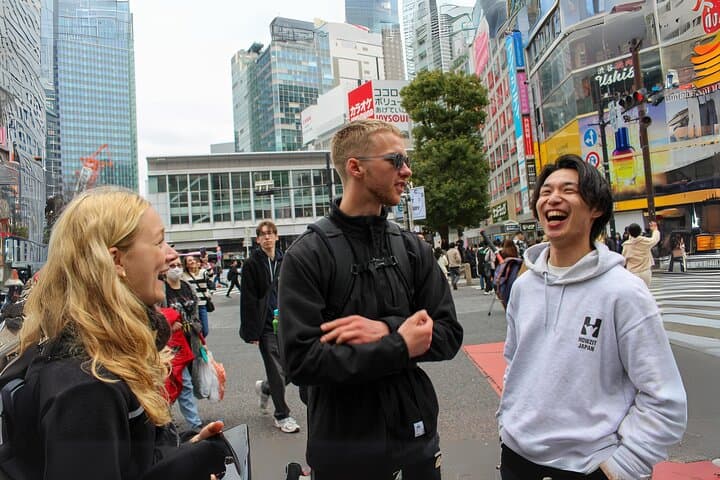
This 2–4 hour private walking tour trades checklist sightseeing for curated curiosity—Shibuya’s scramble and Omotesandō’s surf of people give way to quiet shrines, pocket parks, and neighborhood cafés. Tokyo grew from Edo, a river-and-marsh city that became a political center in the 17th century; that history surfaces in Edo-period temples, preserved gardens, and the grid of older neighborhoods like Yanaka.
Geology here is gentle—reclaimed land, river valleys and volcanic soils farther out—so the city’s green pockets often follow waterways. Culture is immediate: seasonal festivals, shrine rituals, and the particular etiquette of small shops. A Local Friend can orient you to sushi counters, izakaya ordering, or which train line will save you twenty minutes.
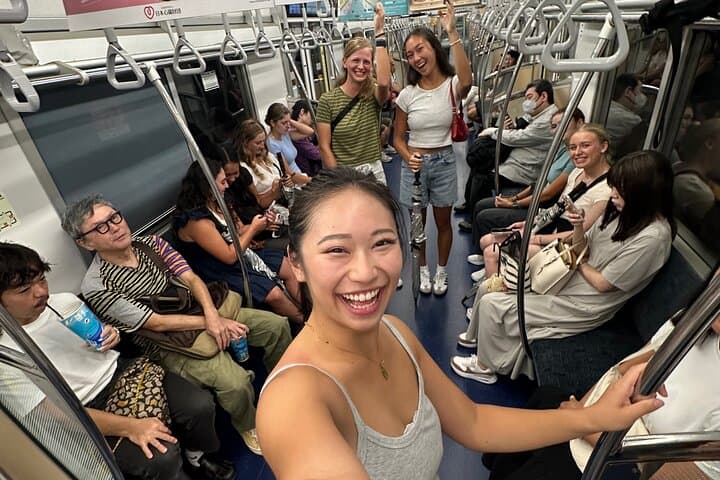
Practical guidance: tours are mostly on foot with some public transit, so expect 2–4 hours of walking with short rides. Wear comfortable shoes and bring a charged phone—the guide will use transit to stitch neighborhoods together. Morning and early evening offer the best light and cooler temperatures; weekends can be crowded at major spots. Communicate your interests ahead of time (food, history, fashion, parks) so the guide tailors the route. If you have mobility limits or health considerations, confirm accessibility when booking. Respect shrine rules, keep noise low in residential alleys, and carry an IC card for smooth transit. With local knowledge, a short private tour can turn Tokyo’s surface into a route of discovery.
easy.
2–4 hours.
Light walking ability; suitable for most fitness levels but expect intermittent standing and stairs
Expect intermittent walking totaling roughly 3–6 kilometers depending on your chosen neighborhoods and stops; the guide adjusts pace and distance to your comfort.
Local Friends typically speak conversational English; confirm language needs at booking to ensure the right match.
You can choose pickup at a hotel, station, or public landmark—confirm your preferred meeting point when booking; tours often end near a transit hub.
Yes—it's rated easy. Note that some older stations lack elevators; mention mobility needs so the guide plans accessible routes.
Tokyo evolved from Edo, the seat of the Tokugawa shogunate (1603–1868), and many neighborhoods still reflect that layered urban history.
Use public transit, minimize single-use plastics, and follow shrine etiquette; small businesses depend on respectful, low-impact tourism.
Howzit Japan operates guided outdoor trips and adventures with an emphasis on safety, stewardship, and memorable experiences.
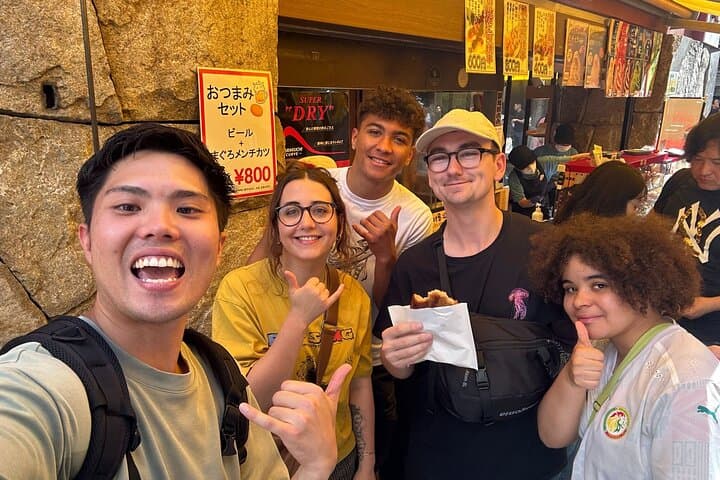
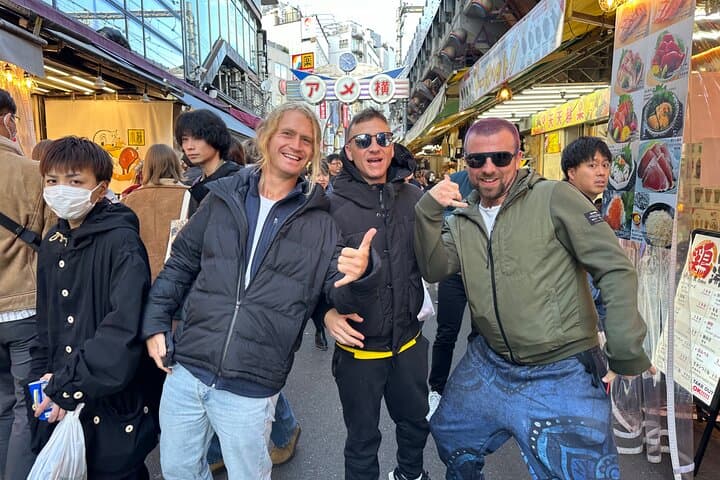
You step out beneath the city lights and Tokyo responds: trams whisper, neon edges the air, and a local friend threads you through backstreets that don’t appear on guidebook maps.
You step out beneath the city lights and Tokyo responds: trams whisper, neon edges the air, and a local friend threads you through backstreets that don’t appear on guidebook maps.
This 2–4 hour private walking tour trades checklist sightseeing for curated curiosity—Shibuya’s scramble and Omotesandō’s surf of people give way to quiet shrines, pocket parks, and neighborhood cafés. Tokyo grew from Edo, a river-and-marsh city that became a political center in the 17th century; that history surfaces in Edo-period temples, preserved gardens, and the grid of older neighborhoods like Yanaka.
Geology here is gentle—reclaimed land, river valleys and volcanic soils farther out—so the city’s green pockets often follow waterways. Culture is immediate: seasonal festivals, shrine rituals, and the particular etiquette of small shops. A Local Friend can orient you to sushi counters, izakaya ordering, or which train line will save you twenty minutes.
Practical guidance: tours are mostly on foot with some public transit, so expect 2–4 hours of walking with short rides. Wear comfortable shoes and bring a charged phone—the guide will use transit to stitch neighborhoods together. Morning and early evening offer the best light and cooler temperatures; weekends can be crowded at major spots. Communicate your interests ahead of time (food, history, fashion, parks) so the guide tailors the route. If you have mobility limits or health considerations, confirm accessibility when booking. Respect shrine rules, keep noise low in residential alleys, and carry an IC card for smooth transit. With local knowledge, a short private tour can turn Tokyo’s surface into a route of discovery.