THE ADVENTURE COLLECTIVE® · Independent discovery and booking for outdoor travel

Spend five hours moving from the quiet geometry of Hamarikyu Gardens to the lively lanes of Asakusa by water bus. This private walking tour pairs matcha and shrine culture with scenic river travel and hands-on local shopping.
Spend five hours moving from the quiet geometry of Hamarikyu Gardens to the lively lanes of Asakusa by water bus. This private walking tour pairs matcha and shrine culture with scenic river travel and hands-on local shopping.
Morning light skims the surface of Shioiri Pond as you enter Hama Rikyu Gardens, the seawater moat whispering of Tokyo Bay and the Tokugawa shoguns who shaped this plot in the 17th century. A private guide leads you past manicured pine and tidal inlets to a tearoom where powdered green tea (matcha) and wagashi arrive with quiet ceremony — a small, precise ritual against the city’s backdrop.
Verified experiences and guided adventures in the surrounding area.
Operated by Fulfilling Inc. · Tokyo, Tokyo
Morning light skims the surface of Shioiri Pond as you enter Hama Rikyu Gardens, the seawater moat whispering of Tokyo Bay and the Tokugawa shoguns who shaped this plot in the 17th century. A private guide leads you past manicured pine and tidal inlets to a tearoom where powdered green tea (matcha) and wagashi arrive with quiet ceremony — a small, precise ritual against the city’s backdrop.
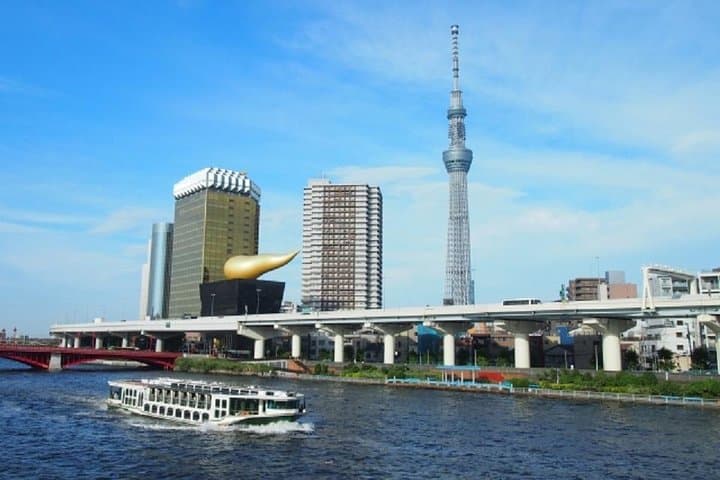
From the garden’s quay you board a water bus and let the Sumida River unfurl the skyline: modern glass and steel give way to bridges, river traffic and low-rise temple roofs as the vessel slips toward Asakusa. The boat’s motion sets a slower tempo; the guide points out landmarks and currents that once defined Edo’s commerce.
On shore, Senso-ji’s thunderous Kaminari-mon Gate and the 250‑meter Nakamise approach funnel you into stalls selling sensu fans, kaminari-okoshi sweets and wooden dolls — souvenir culture that has roots in centuries of pilgrimage. The five‑story pagoda and Hozo-mon Gate anchor the temple complex; you’ll feel how religious practice and neighborhood life continue to coexist.
Practical notes: this private, five‑hour walking tour includes hotel pickup and an English-speaking guide but not meals or temple admissions. Wear comfortable shoes for paved and riverside paths, carry cash for small purchases, and time your visit early to avoid midday crowds. Bring a light layer for river breezes and a compact umbrella in season — the tour is approachable for most fitness levels but richly sensory, mixing urban history with calm river scenery.
easy.
5 hours.
Suitable for most fitness levels; involves moderate walking on flat, paved paths and short riverboat boarding.
No — admissions and any temple donations are not included; your guide will advise on current fees and etiquette.
Meals are not included, but the itinerary passes several restaurants and street-food stalls where the guide can recommend local options.
Much of the route is paved and accessible, but riverboat boarding and crowded temple approaches may be tight; check specifics with the operator for mobility needs.
This listing is for a private group rate; confirm the maximum group size and pricing with the operator when booking.
Hama Rikyu was part of the Tokugawa shogun’s villa in the 17th century; Asakusa’s Senso-ji is Tokyo’s oldest Buddhist temple and a longtime pilgrimage destination.
The gardens’ seawater pond is maintained as a historical landscape within an urban environment; visitors are encouraged to respect signage and avoid feeding wildlife to protect the ecosystem.
Fulfilling Inc. operates guided outdoor trips and adventures with an emphasis on safety, stewardship, and memorable experiences.



Morning light skims the surface of Shioiri Pond as you enter Hama Rikyu Gardens, the seawater moat whispering of Tokyo Bay and the Tokugawa shoguns who shaped this plot in the 17th century. A private guide leads you past manicured pine and tidal inlets to a tearoom where powdered green tea (matcha) and wagashi arrive with quiet ceremony — a small, precise ritual against the city’s backdrop.
Morning light skims the surface of Shioiri Pond as you enter Hama Rikyu Gardens, the seawater moat whispering of Tokyo Bay and the Tokugawa shoguns who shaped this plot in the 17th century. A private guide leads you past manicured pine and tidal inlets to a tearoom where powdered green tea (matcha) and wagashi arrive with quiet ceremony — a small, precise ritual against the city’s backdrop.
From the garden’s quay you board a water bus and let the Sumida River unfurl the skyline: modern glass and steel give way to bridges, river traffic and low-rise temple roofs as the vessel slips toward Asakusa. The boat’s motion sets a slower tempo; the guide points out landmarks and currents that once defined Edo’s commerce.
On shore, Senso-ji’s thunderous Kaminari-mon Gate and the 250‑meter Nakamise approach funnel you into stalls selling sensu fans, kaminari-okoshi sweets and wooden dolls — souvenir culture that has roots in centuries of pilgrimage. The five‑story pagoda and Hozo-mon Gate anchor the temple complex; you’ll feel how religious practice and neighborhood life continue to coexist.
Practical notes: this private, five‑hour walking tour includes hotel pickup and an English-speaking guide but not meals or temple admissions. Wear comfortable shoes for paved and riverside paths, carry cash for small purchases, and time your visit early to avoid midday crowds. Bring a light layer for river breezes and a compact umbrella in season — the tour is approachable for most fitness levels but richly sensory, mixing urban history with calm river scenery.