THE ADVENTURE COLLECTIVE® · Independent discovery and booking for outdoor travel

A private evening drive through Tokyo’s brightest districts—Rainbow Bridge, Ginza, Tokyo Tower and Shibuya—offering curated photo stops, local context and practical tips for a smooth urban night tour.
A private evening drive through Tokyo’s brightest districts—Rainbow Bridge, Ginza, Tokyo Tower and Shibuya—offering curated photo stops, local context and practical tips for a smooth urban night tour.
Headlights carve a path across Rainbow Bridge as the city hums beneath you. The ferris wheel on Odaiba throws color into the low clouds while neon signs splash Shibuya and Kabukicho with motion. In a private car the night opens in measured slices—iconic skyline views, quick photo stops and a curated drive through Tokyo’s busiest neighborhoods.
Verified experiences and guided adventures in the surrounding area.
Operated by アウテック · Tokyo, Tokyo
Headlights carve a path across Rainbow Bridge as the city hums beneath you. The ferris wheel on Odaiba throws color into the low clouds while neon signs splash Shibuya and Kabukicho with motion. In a private car the night opens in measured slices—iconic skyline views, quick photo stops and a curated drive through Tokyo’s busiest neighborhoods.
This route threads modern chapters of Tokyo’s past: Tokyo Station’s red brick façade (completed 1914) recalls Meiji-era ambitions; Tokyo Tower, built in 1958, still punctuates the skyline; and Odaiba, a string of reclaimed and redeveloped land, shows how Tokyo Bay has been remade for defense and entertainment. Geologically the city sits on the Kanto Plain and stretches onto reclaimed bayfill, which shapes where bridges and seaside avenues can be lit and viewed safely at night.
Culturally the tour is a study in contrast—Ginza’s polished architecture, Omotesando’s tree-lined avenues, the human pulse at Shibuya Crossing, and the tight alleys of Golden Gai where night crowds compress into tiny bars. Local insight: ask for a stop at the Wangan line for wide-angle night shots and aim to cross Omotesando during seasonal illuminations.
Practical guidance: the private drive runs about 3–4 hours, includes Wi‑Fi onboard, is wheelchair accessible, and offers infant seats on request. Expect urban traffic; allow extra time if you’re catching a late train or flight afterward. Bring a charged phone or battery pack, dress in layers for coastal winds, and confirm your pickup point in advance.
easy.
3–4 hours.
Suitable for all fitness levels; minimal walking required at stops
Pickup is arranged per booking—enter your preferred pickup point; the operator confirms details manually.
Yes. The vehicle and itinerary are wheelchair and stroller accessible; note any mobility needs when booking.
No. This is a driving and photo-stop tour—any entry fees (towers, ferris wheels, museums) are paid separately.
As a private tour, small customizations are often possible subject to time and traffic; request changes at booking and confirm with the operator.
Tokyo Station opened in 1914 as a hub for imperial-era rail; Odaiba began as defensive batteries in the 1850s and became a redeveloped waterfront entertainment district in the late 20th century.
Light pollution and vehicle emissions affect central Tokyo; choose low-idling pickup locations, avoid littering at stops, and respect local neighborhoods during late hours.
アウテック operates guided outdoor trips and adventures with an emphasis on safety, stewardship, and memorable experiences.
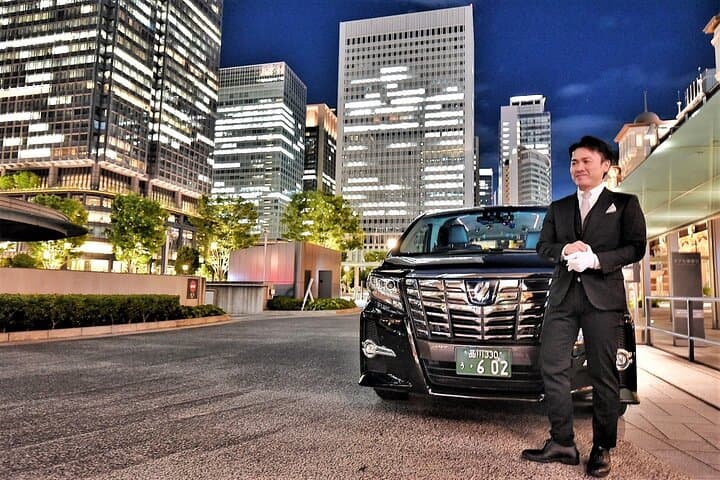
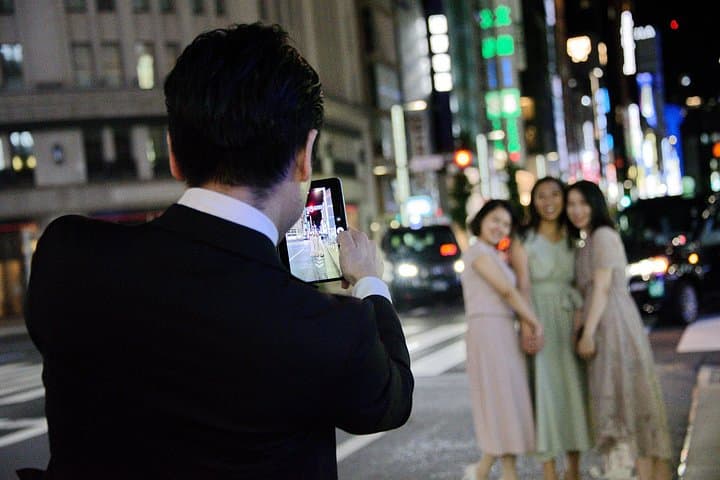
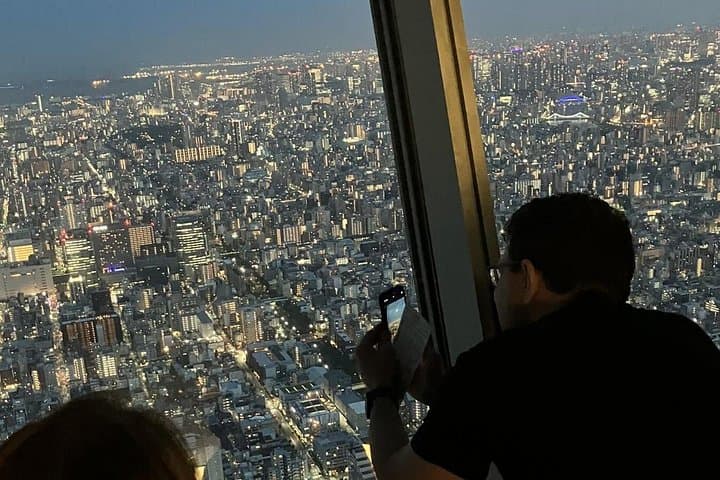
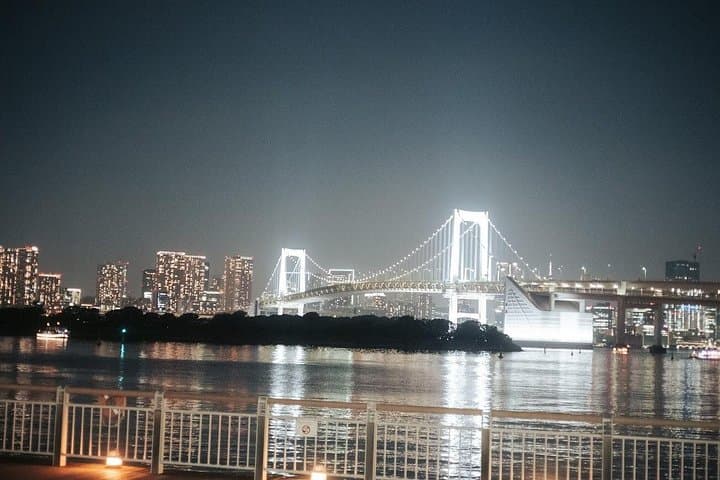
Headlights carve a path across Rainbow Bridge as the city hums beneath you. The ferris wheel on Odaiba throws color into the low clouds while neon signs splash Shibuya and Kabukicho with motion. In a private car the night opens in measured slices—iconic skyline views, quick photo stops and a curated drive through Tokyo’s busiest neighborhoods.
Headlights carve a path across Rainbow Bridge as the city hums beneath you. The ferris wheel on Odaiba throws color into the low clouds while neon signs splash Shibuya and Kabukicho with motion. In a private car the night opens in measured slices—iconic skyline views, quick photo stops and a curated drive through Tokyo’s busiest neighborhoods.
This route threads modern chapters of Tokyo’s past: Tokyo Station’s red brick façade (completed 1914) recalls Meiji-era ambitions; Tokyo Tower, built in 1958, still punctuates the skyline; and Odaiba, a string of reclaimed and redeveloped land, shows how Tokyo Bay has been remade for defense and entertainment. Geologically the city sits on the Kanto Plain and stretches onto reclaimed bayfill, which shapes where bridges and seaside avenues can be lit and viewed safely at night.
Culturally the tour is a study in contrast—Ginza’s polished architecture, Omotesando’s tree-lined avenues, the human pulse at Shibuya Crossing, and the tight alleys of Golden Gai where night crowds compress into tiny bars. Local insight: ask for a stop at the Wangan line for wide-angle night shots and aim to cross Omotesando during seasonal illuminations.
Practical guidance: the private drive runs about 3–4 hours, includes Wi‑Fi onboard, is wheelchair accessible, and offers infant seats on request. Expect urban traffic; allow extra time if you’re catching a late train or flight afterward. Bring a charged phone or battery pack, dress in layers for coastal winds, and confirm your pickup point in advance.