THE ADVENTURE COLLECTIVE® · Independent discovery and booking for outdoor travel

Walk Tokyo with a local host who stitches samurai streets to modern skyscrapers. This private, 3-hour tour tailors history—Edo, Taisho, wartime, and postwar—to your interests while keeping a practical, walkable pace.
Walk Tokyo with a local host who stitches samurai streets to modern skyscrapers. This private, 3-hour tour tailors history—Edo, Taisho, wartime, and postwar—to your interests while keeping a practical, walkable pace.
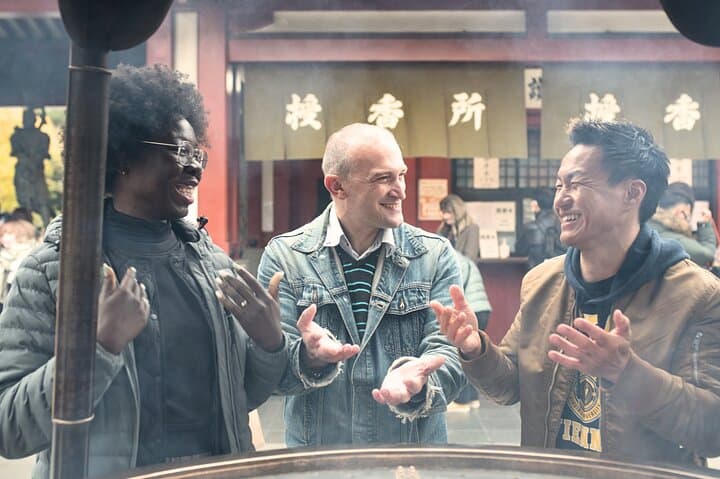
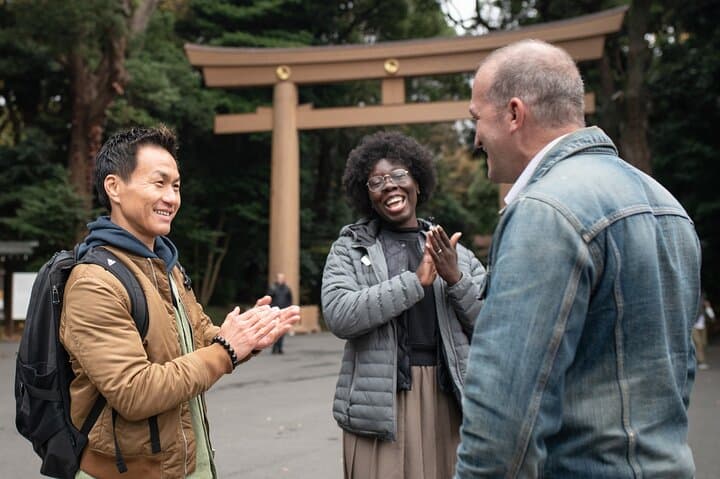
The tour begins on a crowded Tokyo morning, where the clang of trains and the steady flow of commuters form the city’s rhythm. Your guide threads you through alleys and avenues: neon storefronts give way to a quiet Shinto shrine, and a narrow izakaya lane still smells of grilled fish and warm sake.
Verified experiences and guided adventures in the surrounding area.
Operated by City Unscripted · Tokyo, Tokyo
The tour begins on a crowded Tokyo morning, where the clang of trains and the steady flow of commuters form the city’s rhythm. Your guide threads you through alleys and avenues: neon storefronts give way to a quiet Shinto shrine, and a narrow izakaya lane still smells of grilled fish and warm sake.
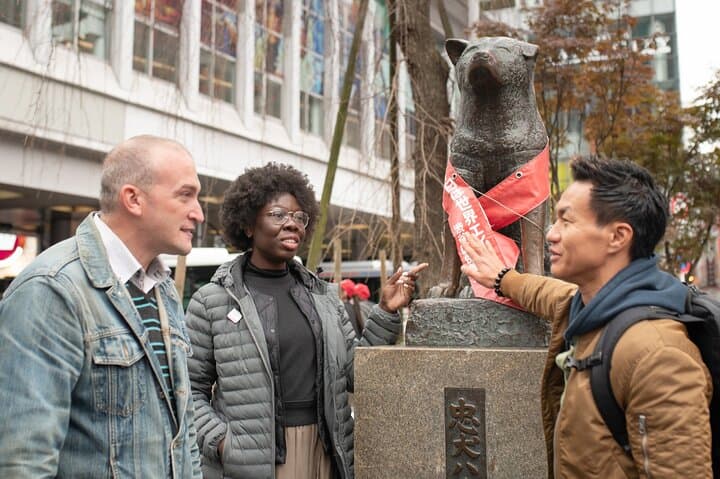
Tokyo sits on an alluvial plain shaped by rivers and reclaimed shores; its history reads like layers of rebuilding. A knowledgeable host will link samurai-era Edo, Taisho-era wooden houses, wartime scars, and the high-rise boom into a single walking narrative. Expect stops at transport hubs like Shibuya for modern context, exterior views of the National Diet Building for postwar politics, and the Taisho-era Kyu Asakura House to illustrate early 20th-century urban life.
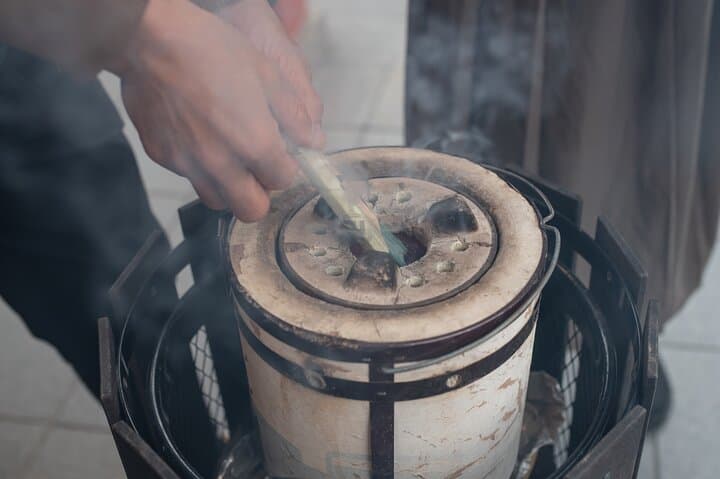
Culture here is lived in small details: shrine rituals observed in a courtyard, wooden latticework on a private home, and neighborhood izakaya that preserve midcentury nightlife. Geology is subtle but present — you’ll notice raised terraces and stonework where older streets resist Tokyo’s constant reshaping.
Practical guidance follows storytelling. The walk is private and tailored after a short questionnaire; routes shift by interest and mobility. Wear broken-in shoes, carry a transit card or cash for rides between distant spots, and plan for 2–3 miles (3–5 km) of on-foot exploration across variable pavement. Mornings are cooler and less crowded; late afternoons capture warm light on shrine gates. Ask your guide about quieter entrances, nearby tea shops, and accessibility options — the experience aims to be both instructive and comfortably paced.
easy.
3 hours.
Suitable for most fitness levels; comfortable walking ability for 3–5 km and standing during short stops
Yes—it's listed as wheelchair accessible; confirm mobility needs in the questionnaire so the host can design an accessible route.
Guides are matched to language preferences submitted after booking; specify your language in the questionnaire.
About 3–5 km (2–3 miles) over three hours with frequent stops—routes can be shortened on request.
Admissions are generally not included; the tour focuses on exterior sites and stories, but discuss any paid entries with your host in advance.
Tokyo evolved from the Edo castle town into Japan’s political and commercial center; layers of Taisho-era woodwork and postwar reconstruction tell that arc on a neighborhood scale.
Tokyo’s urban sites are sensitive to overcrowding—respect local rules, avoid litter, and keep noise levels low at shrines and residential streets.
City Unscripted operates guided outdoor trips and adventures with an emphasis on safety, stewardship, and memorable experiences.
The tour begins on a crowded Tokyo morning, where the clang of trains and the steady flow of commuters form the city’s rhythm. Your guide threads you through alleys and avenues: neon storefronts give way to a quiet Shinto shrine, and a narrow izakaya lane still smells of grilled fish and warm sake.
The tour begins on a crowded Tokyo morning, where the clang of trains and the steady flow of commuters form the city’s rhythm. Your guide threads you through alleys and avenues: neon storefronts give way to a quiet Shinto shrine, and a narrow izakaya lane still smells of grilled fish and warm sake.
Tokyo sits on an alluvial plain shaped by rivers and reclaimed shores; its history reads like layers of rebuilding. A knowledgeable host will link samurai-era Edo, Taisho-era wooden houses, wartime scars, and the high-rise boom into a single walking narrative. Expect stops at transport hubs like Shibuya for modern context, exterior views of the National Diet Building for postwar politics, and the Taisho-era Kyu Asakura House to illustrate early 20th-century urban life.
Culture here is lived in small details: shrine rituals observed in a courtyard, wooden latticework on a private home, and neighborhood izakaya that preserve midcentury nightlife. Geology is subtle but present — you’ll notice raised terraces and stonework where older streets resist Tokyo’s constant reshaping.
Practical guidance follows storytelling. The walk is private and tailored after a short questionnaire; routes shift by interest and mobility. Wear broken-in shoes, carry a transit card or cash for rides between distant spots, and plan for 2–3 miles (3–5 km) of on-foot exploration across variable pavement. Mornings are cooler and less crowded; late afternoons capture warm light on shrine gates. Ask your guide about quieter entrances, nearby tea shops, and accessibility options — the experience aims to be both instructive and comfortably paced.