THE ADVENTURE COLLECTIVE® · Independent discovery and booking for outdoor travel

Ride shotgun with a pro drift driver at an official Japanese circuit just outside Tokyo. This private, English-guided experience puts you inside authentic JDM drift culture for 8–10 minute runs with helmets and private transport included.
Ride shotgun with a pro drift driver at an official Japanese circuit just outside Tokyo. This private, English-guided experience puts you inside authentic JDM drift culture for 8–10 minute runs with helmets and private transport included.
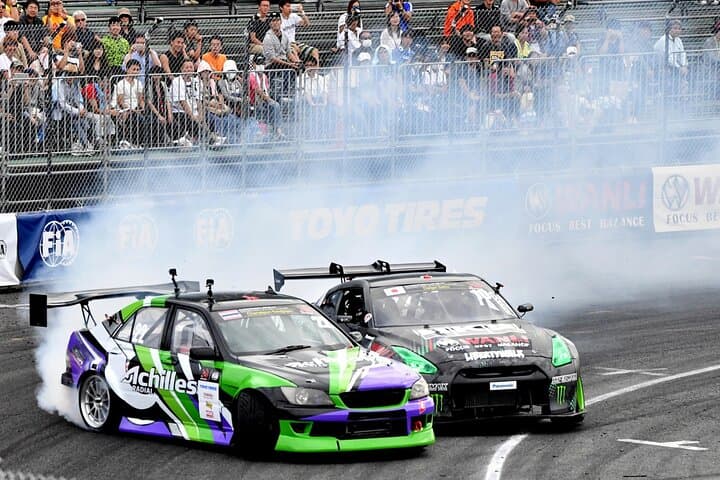
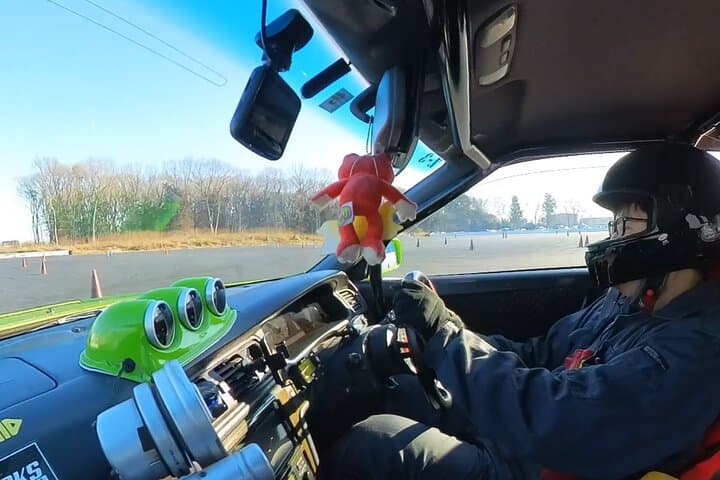
The engine breathes like a living thing; tires whisper and then scream as the car arcs sideways around a sun-warmed corner. You feel the centrifugal pull before the passenger harness reminds you where you are — strapped into a real JDM drift machine on an official circuit outside Tokyo.
Verified experiences and guided adventures in the surrounding area.
Operated by Matenro Tours - Japan's Finest Immersive Experience · Tokyo, Tokyo
The engine breathes like a living thing; tires whisper and then scream as the car arcs sideways around a sun-warmed corner. You feel the centrifugal pull before the passenger harness reminds you where you are — strapped into a real JDM drift machine on an official circuit outside Tokyo.
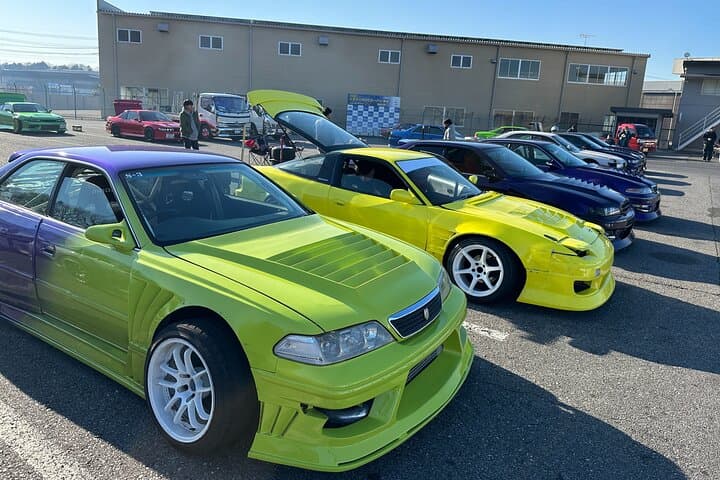
Drifting grew from Japan’s touge runs into a global motorsport highlighted by drivers like Keiichi Tsuchiya, and modern circuits like Tsukuba keep that lineage alive: precise asphalt, concrete barriers, and a paddock where crews tune cars between runs. The surrounding Kanto plain is largely flat, dotted with rice paddies and low hills that channel wind across the track, sometimes sending a dusted scent of earth into the garage area.
Culturally this is peer-driven: local teams, meticulous setups, and a fanbase that treats cars like instruments. The experience puts you on the passenger seat for one to two guaranteed runs (roughly 8–10 minutes each), with the chance for extras depending on the day. Helmets and gloves are provided; guides are English-speaking and organize private transport from central Tokyo.
Practical notes: wear long sleeves, long pants, and closed-toe shoes; secure cameras with straps; prepare for motion and sudden G-forces; and expect a half-day commitment (pick-up, transit to circuit, briefings, runs, return). Respect paddock boundaries, follow crew instructions, and plan for limited public transport at the venue. For a short burst of velocity and controlled chaos, this ride-along compresses JDM drift culture into a focused, high-adrenaline afternoon.
moderate.
4–5 hours.
No special fitness required beyond the ability to sit upright and handle short bursts of g-force; suitable for most adults
No — this is a ride-along experience; professional drivers handle the car while you ride as a passenger.
Yes; the operator supplies helmets and gloves and provides a safety briefing before runs.
Yes — you can spectate from the stands or designated paddock areas if you prefer not to ride.
Private transportation from Tokyo is included in the tour; confirm your pickup point when booking.
Drifting emerged from Japan’s touge (mountain pass) culture and was popularized by drivers like Keiichi Tsuchiya; circuits like Tsukuba formalized the sport for competition and demonstration.
Noise and emissions are real impacts — operators and visitors should follow venue rules, avoid trespassing onto surrounding farmland, and support official events that manage sound and access.
Matenro Tours - Japan's Finest Immersive Experience operates guided outdoor trips and adventures with an emphasis on safety, stewardship, and memorable experiences.

The engine breathes like a living thing; tires whisper and then scream as the car arcs sideways around a sun-warmed corner. You feel the centrifugal pull before the passenger harness reminds you where you are — strapped into a real JDM drift machine on an official circuit outside Tokyo.
The engine breathes like a living thing; tires whisper and then scream as the car arcs sideways around a sun-warmed corner. You feel the centrifugal pull before the passenger harness reminds you where you are — strapped into a real JDM drift machine on an official circuit outside Tokyo.
Drifting grew from Japan’s touge runs into a global motorsport highlighted by drivers like Keiichi Tsuchiya, and modern circuits like Tsukuba keep that lineage alive: precise asphalt, concrete barriers, and a paddock where crews tune cars between runs. The surrounding Kanto plain is largely flat, dotted with rice paddies and low hills that channel wind across the track, sometimes sending a dusted scent of earth into the garage area.
Culturally this is peer-driven: local teams, meticulous setups, and a fanbase that treats cars like instruments. The experience puts you on the passenger seat for one to two guaranteed runs (roughly 8–10 minutes each), with the chance for extras depending on the day. Helmets and gloves are provided; guides are English-speaking and organize private transport from central Tokyo.
Practical notes: wear long sleeves, long pants, and closed-toe shoes; secure cameras with straps; prepare for motion and sudden G-forces; and expect a half-day commitment (pick-up, transit to circuit, briefings, runs, return). Respect paddock boundaries, follow crew instructions, and plan for limited public transport at the venue. For a short burst of velocity and controlled chaos, this ride-along compresses JDM drift culture into a focused, high-adrenaline afternoon.