THE ADVENTURE COLLECTIVE® · Independent discovery and booking for outdoor travel

Explore Tiwanaku’s monumental plazas and enigmatic stonework on a private half-day tour from La Paz. This guided visit pairs close-up archaeology with practical advice for high-altitude travel.
Explore Tiwanaku’s monumental plazas and enigmatic stonework on a private half-day tour from La Paz. This guided visit pairs close-up archaeology with practical advice for high-altitude travel.
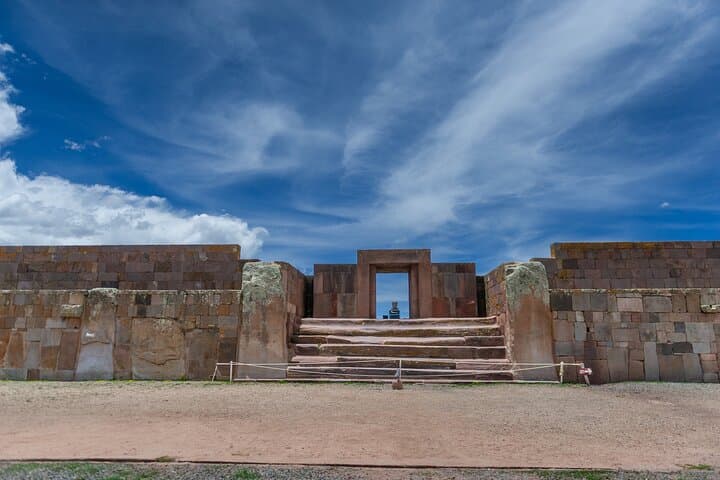
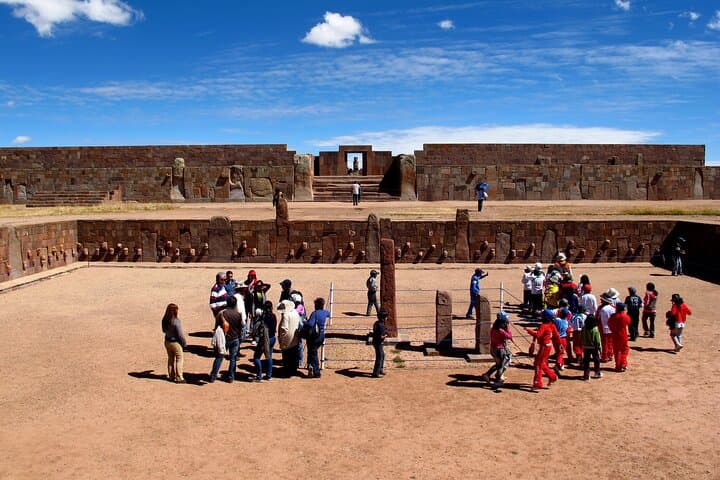
You step onto the high Andean plain and the wind of the altiplano pushes across a horizon of stone blocks and flattened grass. Tiwanaku's low, broad platforms rise from the earth like deliberate gestures—pumice, carved gateways and megaliths holding schoolroom-sized secrets. The sky here feels close and sharp; every breath is thinner and clearer.
Verified experiences and guided adventures in the surrounding area.
Operated by taxiGo Limo Airport Service · Tiwanaku, La Paz Department
You step onto the high Andean plain and the wind of the altiplano pushes across a horizon of stone blocks and flattened grass. Tiwanaku's low, broad platforms rise from the earth like deliberate gestures—pumice, carved gateways and megaliths holding schoolroom-sized secrets. The sky here feels close and sharp; every breath is thinner and clearer.
Tiwanaku was a major power from roughly AD 550–1000, centered on the southern basin of Lake Titicaca. The complex spans several square kilometers: the Kalasasaya temple with its carved monoliths, the Gate of the Sun with its sun-faced deity, and the engineered platform constructions at Puma Punku that still puzzle engineers today. Local guides weave anthropology, colonial-era accounts and modern archaeological debates into a running narrative that connects pottery styles to trade routes and ritual landscapes.
This private half-day tour from La Paz typically includes hotel pickup, transport across the altiplano and guided time at the museum and ruins. Expect dusty walking surfaces, short stair sections and open exposure to high-altitude sun and wind. Photography opportunities are constant—bring a sun hat and layers. Admission fees to the site and museum are commonly paid on arrival unless stated otherwise.
Practical notes: allow 3–4 hours for the round trip, acclimate in La Paz the day before if you're coming from lower elevations, and drink water before and after the visit to counter altitude effects. A private guide offers flexibility to linger at specific structures and to unpack the technical and cultural questions that make Tiwanaku one of South America’s most compelling archaeological landscapes.
easy.
3–4 hours.
No special fitness required beyond the ability to walk short distances and climb low steps; be mindful of altitude.
Plan for about 3–4 hours total: roughly 90 minutes each way by private vehicle plus 1–2 hours of guided time on site.
Admissions are often not included and are paid locally—check your booking confirmation and bring local currency for entry fees and the museum.
The site has uneven ground and low steps; while much is accessible, visitors with significant mobility limitations should check in advance to confirm accommodations.
Tiwanaku sits above 3,800 m; symptoms can include headache and nausea—acclimate in La Paz, hydrate, avoid heavy meals and consider talking to your doctor about medication if you’re sensitive to altitude.
Tiwanaku was a central power in the southern Lake Titicaca basin from about AD 550–1000, influencing ceramics, agriculture and ritual architecture across the high Andes.
Preservation efforts balance archaeological research with tourism pressure; visitors are asked not to touch carved surfaces and to follow marked paths to protect fragile stonework.
taxiGo Limo Airport Service operates guided outdoor trips and adventures with an emphasis on safety, stewardship, and memorable experiences.

You step onto the high Andean plain and the wind of the altiplano pushes across a horizon of stone blocks and flattened grass. Tiwanaku's low, broad platforms rise from the earth like deliberate gestures—pumice, carved gateways and megaliths holding schoolroom-sized secrets. The sky here feels close and sharp; every breath is thinner and clearer.
You step onto the high Andean plain and the wind of the altiplano pushes across a horizon of stone blocks and flattened grass. Tiwanaku's low, broad platforms rise from the earth like deliberate gestures—pumice, carved gateways and megaliths holding schoolroom-sized secrets. The sky here feels close and sharp; every breath is thinner and clearer.
Tiwanaku was a major power from roughly AD 550–1000, centered on the southern basin of Lake Titicaca. The complex spans several square kilometers: the Kalasasaya temple with its carved monoliths, the Gate of the Sun with its sun-faced deity, and the engineered platform constructions at Puma Punku that still puzzle engineers today. Local guides weave anthropology, colonial-era accounts and modern archaeological debates into a running narrative that connects pottery styles to trade routes and ritual landscapes.
This private half-day tour from La Paz typically includes hotel pickup, transport across the altiplano and guided time at the museum and ruins. Expect dusty walking surfaces, short stair sections and open exposure to high-altitude sun and wind. Photography opportunities are constant—bring a sun hat and layers. Admission fees to the site and museum are commonly paid on arrival unless stated otherwise.
Practical notes: allow 3–4 hours for the round trip, acclimate in La Paz the day before if you're coming from lower elevations, and drink water before and after the visit to counter altitude effects. A private guide offers flexibility to linger at specific structures and to unpack the technical and cultural questions that make Tiwanaku one of South America’s most compelling archaeological landscapes.