THE ADVENTURE COLLECTIVE® · Independent discovery and booking for outdoor travel

A two-hour private walking tour that traces the Titanic’s final hours in Southampton, visiting Town Quay, memorials, lodging houses and medieval town walls with a local guide. Ideal for history-minded travelers who prefer a personalized, crowd-free experience.
A two-hour private walking tour that traces the Titanic’s final hours in Southampton, visiting Town Quay, memorials, lodging houses and medieval town walls with a local guide. Ideal for history-minded travelers who prefer a personalized, crowd-free experience.
The walk begins at Town Quay where river and tide keep Southampton’s maritime past visible—berths, bollards and the flat stretch of water that once watched the Titanic leave. Guides lead a small group along stone streets and under the shadow of medieval walls, pausing at sites that link local buildings and taverns to the ship’s last hours in port.
Verified experiences and guided adventures in the surrounding area.
Operated by Opatrip England · Southampton, Hampshire
The walk begins at Town Quay where river and tide keep Southampton’s maritime past visible—berths, bollards and the flat stretch of water that once watched the Titanic leave. Guides lead a small group along stone streets and under the shadow of medieval walls, pausing at sites that link local buildings and taverns to the ship’s last hours in port.
History here is tangible: Southampton was a major embarkation port in the early 20th century, its docks and lodging houses busy with crew and emigrants. The tour touches on class differences visible even in pre-voyage addresses—the grand hotels where first-class guests stayed and the more modest lodging houses used by third-class passengers. Geology plays a quiet role too: the Solent’s shallow shelf shaped the harbor that handled steam liners, while the town walls preserve Norman and medieval stonework that frames modern streets.
Culturally, Southampton’s identity is maritime and civic; local pubs and plaques tell personal stories alongside municipal commemoration. Guides often point out little details—a carved stone, an old quay ledger—that add texture to the Titanic narrative.
Practical guidance: this is a two-hour, low-impact walk on paved streets with some cobbles; wear supportive shoes and a waterproof layer. Winter days are short and windy along the water; summer brings larger crowds. The tour is private, ideal for history buffs and families who prefer a focused, skip-the-crowds experience. Bring a camera, an Oyster-sized curiosity about social history, and time to stand and listen at each landmark.
easy.
2 hours.
Suitable for most fitness levels; requires standing and walking up to two hours over paved and cobbled surfaces
Yes—routes are family-friendly but parents should expect two hours of walking and occasional traffic crossings.
The tour is private for your booking group; check with the operator for maximum guest limits per booking.
This walking tour visits exterior sites and memorials; no admission fees are typically required.
Full refunds are available if canceled at least 24 hours before the scheduled start; check your booking confirmation for details.
Southampton was a principal embarkation port for transatlantic liners in the early 1900s; many Titanic passengers and crew last saw England from this city.
Preservation efforts focus on protecting maritime heritage sites and maintaining the fabric of the town walls; visitors are encouraged to follow marked paths and avoid touching fragile stonework.
Opatrip England operates guided outdoor trips and adventures with an emphasis on safety, stewardship, and memorable experiences.


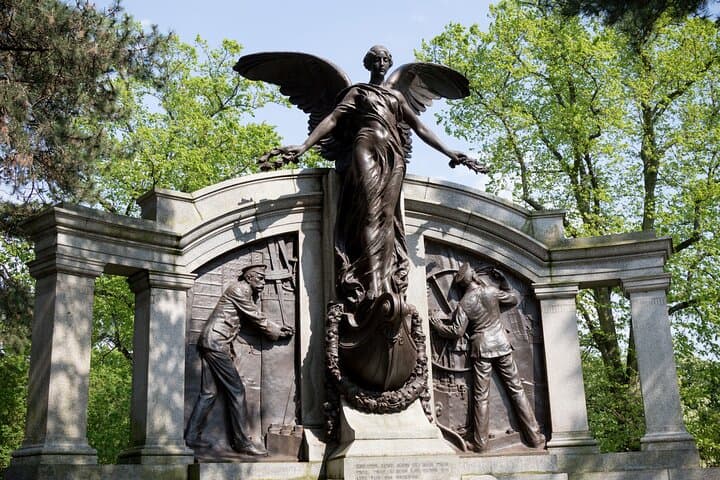

The walk begins at Town Quay where river and tide keep Southampton’s maritime past visible—berths, bollards and the flat stretch of water that once watched the Titanic leave. Guides lead a small group along stone streets and under the shadow of medieval walls, pausing at sites that link local buildings and taverns to the ship’s last hours in port.
The walk begins at Town Quay where river and tide keep Southampton’s maritime past visible—berths, bollards and the flat stretch of water that once watched the Titanic leave. Guides lead a small group along stone streets and under the shadow of medieval walls, pausing at sites that link local buildings and taverns to the ship’s last hours in port.
History here is tangible: Southampton was a major embarkation port in the early 20th century, its docks and lodging houses busy with crew and emigrants. The tour touches on class differences visible even in pre-voyage addresses—the grand hotels where first-class guests stayed and the more modest lodging houses used by third-class passengers. Geology plays a quiet role too: the Solent’s shallow shelf shaped the harbor that handled steam liners, while the town walls preserve Norman and medieval stonework that frames modern streets.
Culturally, Southampton’s identity is maritime and civic; local pubs and plaques tell personal stories alongside municipal commemoration. Guides often point out little details—a carved stone, an old quay ledger—that add texture to the Titanic narrative.
Practical guidance: this is a two-hour, low-impact walk on paved streets with some cobbles; wear supportive shoes and a waterproof layer. Winter days are short and windy along the water; summer brings larger crowds. The tour is private, ideal for history buffs and families who prefer a focused, skip-the-crowds experience. Bring a camera, an Oyster-sized curiosity about social history, and time to stand and listen at each landmark.