THE ADVENTURE COLLECTIVE® · Independent discovery and booking for outdoor travel

A private half-day hike through Rio’s Tijuca Forest that links the Chinese View, Emperor’s Table and Pedra Bonita. Expect steep forest trails, granite viewpoints and focused photo stops with a guide.
A private half-day hike through Rio’s Tijuca Forest that links the Chinese View, Emperor’s Table and Pedra Bonita. Expect steep forest trails, granite viewpoints and focused photo stops with a guide.
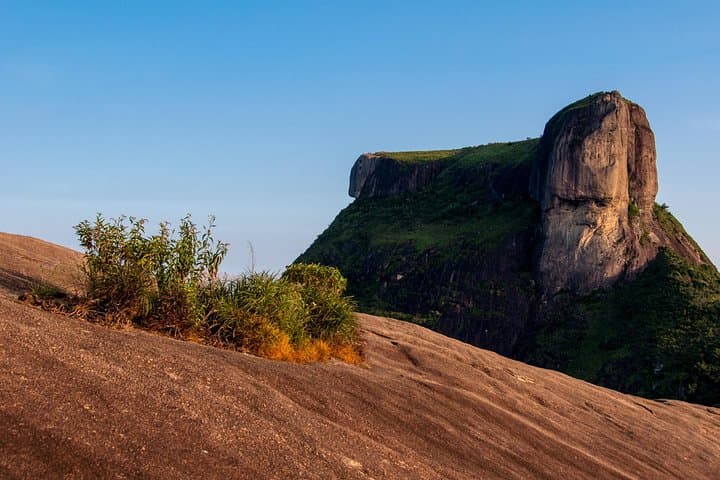
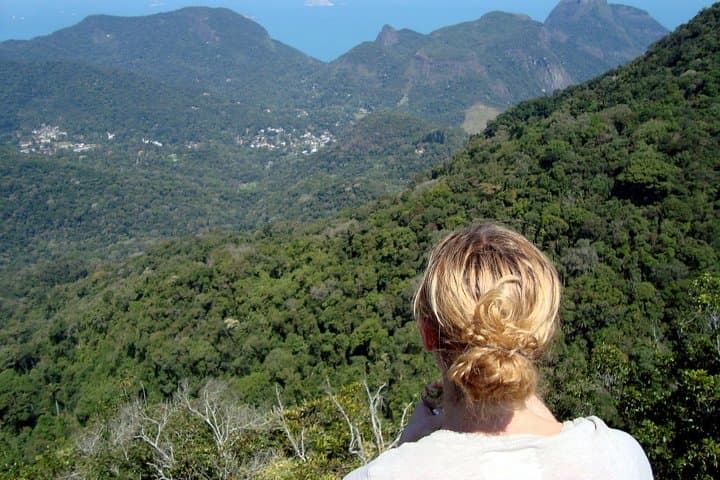
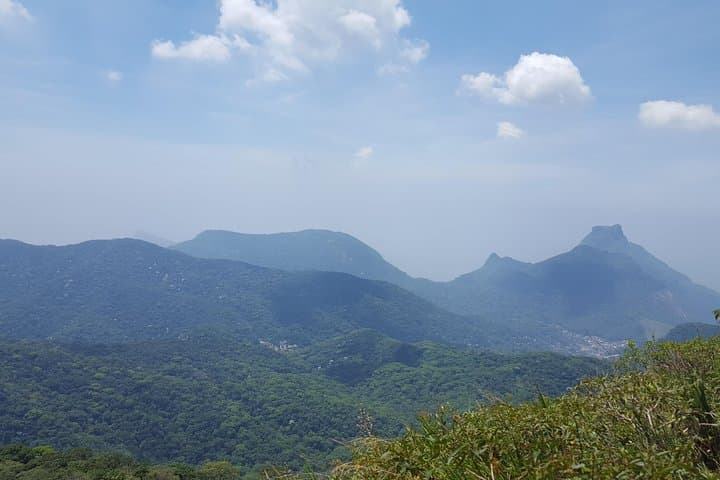
You step off the minivan into a humid green that feels larger than the city itself—Tijuca Forest’s canopy presses close, birds voice sharp answers, and granite bluffs rise like islands above the trees.
Verified experiences and guided adventures in the surrounding area.
Operated by Tour Guide Rio Cultural Secrets | Private Tours in Rio de Janeiro · Rio de Janeiro, Rio de Janeiro
You step off the minivan into a humid green that feels larger than the city itself—Tijuca Forest’s canopy presses close, birds voice sharp answers, and granite bluffs rise like islands above the trees.
This private half-day route threads three highlights: the Chinese View (Vista Chinesa), a short walk to the Emperor’s Table (Mesa do Imperador), and the steep push to Pedra Bonita. Geologically, Tijuca is part of the Serra do Mar escarpment—ancient granite and gneiss carved into bare outcrops that make for dramatic viewpoints. Culturally, these trails carry 19th-century reforestation history and small monuments linked to Brazil’s imperial past.
Expect rainforest trails with exposed roots, rock steps, and damp soil: the Pedra Bonita spur is roughly 1–1.8 km each way with about 200–300 m of elevation gain from the main park road, featuring short scrambling sections and narrow viewpoints. Flora is dense Atlantic Forest—bromeliads, ferns, and towering tabebuia—while wildlife sightings can include marmosets and toucans rather than large mammals.
Practically, go early to avoid heat and crowds; wear grippy shoes for wet rock and bring water and sun protection for the exposed summits. A private guide handles route-finding and timing, so photographers get ample stopping time at the overlooks. This hike balances attainable views with a solid cardiovascular workout—rewarding, direct, and unmistakably Rio.
moderate.
4–5 hours.
Good cardiovascular fitness recommended—stamina for steep, sustained climbs and steps.
The Pedra Bonita spur from the main park road is roughly 1–1.8 km one-way with a steep ascent—allow 45–90 minutes for the climb depending on pace.
A guide isn’t mandatory but a private guide simplifies logistics, points out local flora and history, and times stops for photos and safety.
Tijuca National Park has regulated access and some viewpoints may have small entry fees or vehicle restrictions; check current park rules or confirm with your tour operator.
Expect birds like toucans and tanagers, and small mammals such as common marmosets; larger mammals are rare in this urban forest.
Tijuca Forest is a replanted section of the Atlantic Forest—19th-century reforestation projects reclaimed farmland and water sources for Rio, leaving trails and monuments tied to that era.
As an urban national park, Tijuca relies on protected zoning and visitor stewardship—stick to trails, carry out waste, and avoid feeding wildlife to minimize impact.
Tour Guide Rio Cultural Secrets | Private Tours in Rio de Janeiro operates guided outdoor trips and adventures with an emphasis on safety, stewardship, and memorable experiences.

You step off the minivan into a humid green that feels larger than the city itself—Tijuca Forest’s canopy presses close, birds voice sharp answers, and granite bluffs rise like islands above the trees.
You step off the minivan into a humid green that feels larger than the city itself—Tijuca Forest’s canopy presses close, birds voice sharp answers, and granite bluffs rise like islands above the trees.
This private half-day route threads three highlights: the Chinese View (Vista Chinesa), a short walk to the Emperor’s Table (Mesa do Imperador), and the steep push to Pedra Bonita. Geologically, Tijuca is part of the Serra do Mar escarpment—ancient granite and gneiss carved into bare outcrops that make for dramatic viewpoints. Culturally, these trails carry 19th-century reforestation history and small monuments linked to Brazil’s imperial past.
Expect rainforest trails with exposed roots, rock steps, and damp soil: the Pedra Bonita spur is roughly 1–1.8 km each way with about 200–300 m of elevation gain from the main park road, featuring short scrambling sections and narrow viewpoints. Flora is dense Atlantic Forest—bromeliads, ferns, and towering tabebuia—while wildlife sightings can include marmosets and toucans rather than large mammals.
Practically, go early to avoid heat and crowds; wear grippy shoes for wet rock and bring water and sun protection for the exposed summits. A private guide handles route-finding and timing, so photographers get ample stopping time at the overlooks. This hike balances attainable views with a solid cardiovascular workout—rewarding, direct, and unmistakably Rio.