THE ADVENTURE COLLECTIVE® · Independent discovery and booking for outdoor travel

A private day tour from Prague to the former Terezín (Theresienstadt) camp offers an intense, well‑guided encounter with one of WWII’s most documented ghettos. This six‑hour visit includes museum entrances, a local meal, and time at both the Ghetto Museum and Small Fortress.
A private day tour from Prague to the former Terezín (Theresienstadt) camp offers an intense, well‑guided encounter with one of WWII’s most documented ghettos. This six‑hour visit includes museum entrances, a local meal, and time at both the Ghetto Museum and Small Fortress.
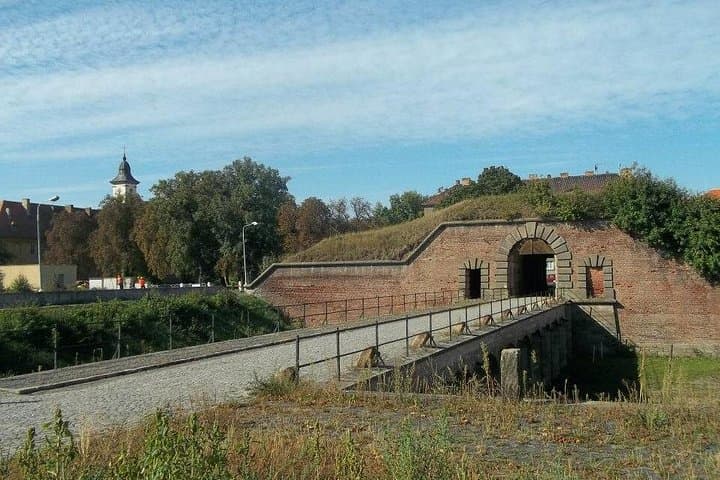
The tour begins with a quiet hour’s drive north of Prague, the city receding and the fortress walls of Terezín rising like a deliberate silhouette against the sky. You step down from the vehicle into cold stone and wide ramparts where mortar lines still mark the eighteenth‑century fortifications; the air takes on the weight of history and the muted sound of footsteps.
Verified experiences and guided adventures in the surrounding area.
Operated by Eva Prague Tours · Terezín, Ústí nad Labem Region
The tour begins with a quiet hour’s drive north of Prague, the city receding and the fortress walls of Terezín rising like a deliberate silhouette against the sky. You step down from the vehicle into cold stone and wide ramparts where mortar lines still mark the eighteenth‑century fortifications; the air takes on the weight of history and the muted sound of footsteps.
Originally constructed under Emperor Joseph II as a modern fortress, Terezín’s bastions and flood trenches later framed a very different story. During World War II the SS turned the town into the Theresienstadt Ghetto and the Small Fortress became a Gestapo prison. The site’s museums—exhibits of children’s drawings, replica barracks in the Magdeburg Barracks, the Ghetto Museum and the crematorium—trace the administrative machinery of deportation and the fragile cultural life prisoners sustained under duress.
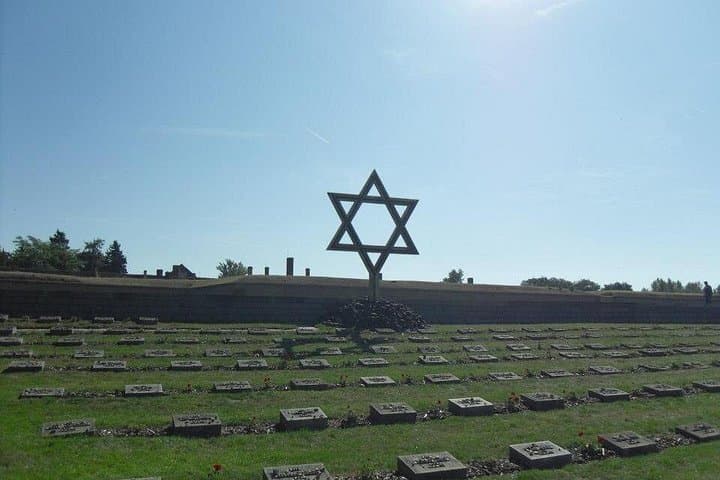
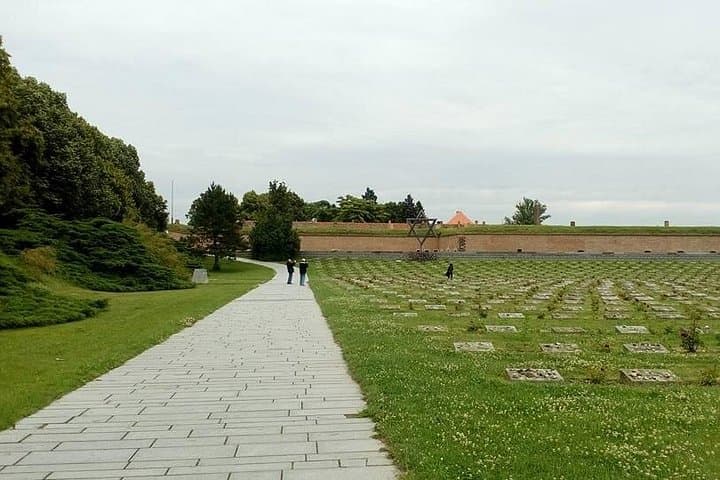
Visitors encounter documentary evidence, personal objects and concentrated spaces of mourning: the ramparts that held mass graves, the compact prayer room, and the National Cemetery where exhumations after liberation sought dignity for the dead.
Practical details frame the visit: the private tour runs about six hours with hotel pickup in Prague, entrance fees included and time for a local Czech lunch. Wear sturdy, comfortable shoes for cobbled streets and interior stairs, carry a sweater in cooler months, and observe the site’s solemnity—quiet voices and no removal of artifacts. Guided reflection and museum labels help place individual rooms in the larger context of European wartime history.
easy.
6 hours.
Suitable for most fitness levels; requires standing and moderate walking across uneven cobbles and stairs.
The drive from central Prague takes about 50–70 minutes depending on traffic; the tour is scheduled as a six‑hour round trip including museum time and lunch.
Yes—entrance fees to the sites listed in the itinerary are included in the tour price.
Children are allowed but must be accompanied by an adult; content is heavy and may be distressing for younger visitors.
Some museum areas and outdoor ramparts involve stairs and uneven surfaces; accessibility is limited—contact the operator in advance to discuss specific needs.
Terezín was built in the late 18th century as a star fort under Emperor Joseph II; in WWII the Nazis converted its town and Small Fortress into a ghetto and Gestapo prison used as a transit and propaganda site.
The Terezín Memorial is actively preserved by Czech institutions; visitors are asked to keep to designated paths, respect exhibits and avoid removing any materials to protect fragile artefacts.
Eva Prague Tours operates guided outdoor trips and adventures with an emphasis on safety, stewardship, and memorable experiences.
The tour begins with a quiet hour’s drive north of Prague, the city receding and the fortress walls of Terezín rising like a deliberate silhouette against the sky. You step down from the vehicle into cold stone and wide ramparts where mortar lines still mark the eighteenth‑century fortifications; the air takes on the weight of history and the muted sound of footsteps.
The tour begins with a quiet hour’s drive north of Prague, the city receding and the fortress walls of Terezín rising like a deliberate silhouette against the sky. You step down from the vehicle into cold stone and wide ramparts where mortar lines still mark the eighteenth‑century fortifications; the air takes on the weight of history and the muted sound of footsteps.
Originally constructed under Emperor Joseph II as a modern fortress, Terezín’s bastions and flood trenches later framed a very different story. During World War II the SS turned the town into the Theresienstadt Ghetto and the Small Fortress became a Gestapo prison. The site’s museums—exhibits of children’s drawings, replica barracks in the Magdeburg Barracks, the Ghetto Museum and the crematorium—trace the administrative machinery of deportation and the fragile cultural life prisoners sustained under duress.
Visitors encounter documentary evidence, personal objects and concentrated spaces of mourning: the ramparts that held mass graves, the compact prayer room, and the National Cemetery where exhumations after liberation sought dignity for the dead.
Practical details frame the visit: the private tour runs about six hours with hotel pickup in Prague, entrance fees included and time for a local Czech lunch. Wear sturdy, comfortable shoes for cobbled streets and interior stairs, carry a sweater in cooler months, and observe the site’s solemnity—quiet voices and no removal of artifacts. Guided reflection and museum labels help place individual rooms in the larger context of European wartime history.