THE ADVENTURE COLLECTIVE® · Independent discovery and booking for outdoor travel

Drive from central Prague to the imposing walls of Terezín for a private, half-day visit to the Small Fortress, the Ghetto Museum and Magdeburg Barracks. This tour pairs door-to-door transport with local context while you explore the memorials independently.
Drive from central Prague to the imposing walls of Terezín for a private, half-day visit to the Small Fortress, the Ghetto Museum and Magdeburg Barracks. This tour pairs door-to-door transport with local context while you explore the memorials independently.
You leave Prague’s tram-slick streets and settle into a quiet highway rhythm; the river plains open and the fortress walls of Terezín appear like an intractable outline against the sky. The minivan pulls up at the Small Fortress and the scale of fortified masonry—ramparts, watch towers, stone courtyards—imposes a steady, reflective pace.
Verified experiences and guided adventures in the surrounding area.
Operated by Welcome Pickups · Terezín, Ústí nad Labem Region
You leave Prague’s tram-slick streets and settle into a quiet highway rhythm; the river plains open and the fortress walls of Terezín appear like an intractable outline against the sky. The minivan pulls up at the Small Fortress and the scale of fortified masonry—ramparts, watch towers, stone courtyards—imposes a steady, reflective pace.
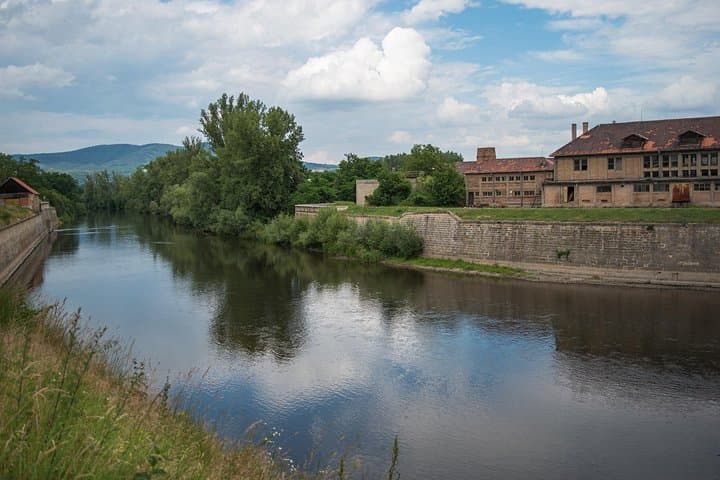
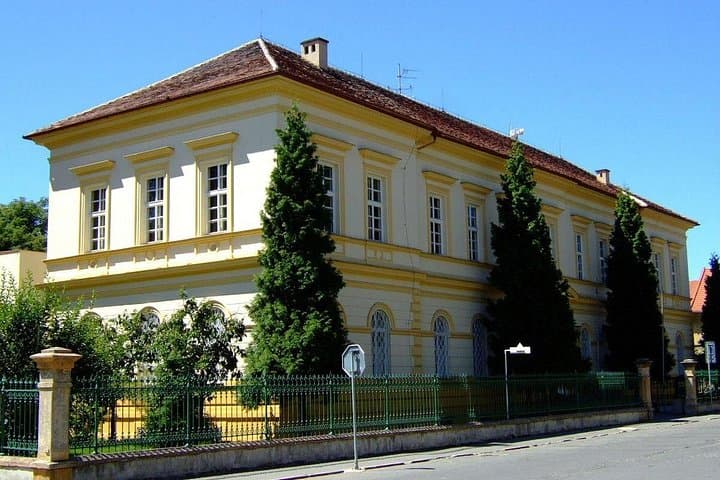
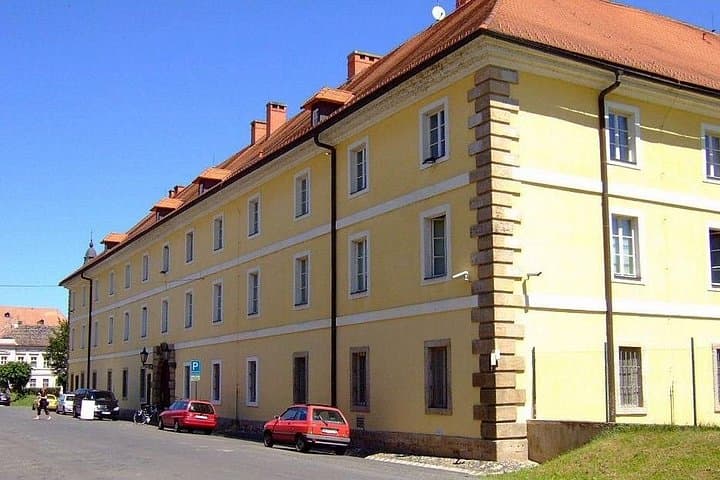
Founded in the late 18th century as an imperial fortress, Terezín was repurposed in World War II as a garrison prison and the site of the Jewish ghetto. The geology here is lowland floodplain of the Elbe–Ohře basin: flat approaches made defense practical and the stone and brick structures weathered by riverside humidity. Cultural memory is woven into street plaques, preserved façades of the Magdeburg Barracks, and the quiet paths that carry visitors from one memorial to another.
Expect moments of silence along outer walls, the measured voice of your English-speaking driver offering historical context before you enter museums on your own. Practicalities matter: museum admission isn’t automatically included, some interiors restrict photography, and sections close for maintenance or holidays.
For planning, allow a full six hours for round-trip transport and visits to the Small Fortress, Ghetto Museum, and Magdeburg Barracks. Wear sturdy walking shoes for cobbled courtyards, bring layered clothing for wind off the river, and carry water—there are limited refreshment points inside memorial grounds. Check opening hours in advance, and treat the site with respectful behavior: this is a place of remembrance as much as a historical site.
easy.
6 hours.
Light walking around memorial grounds; suitable for most fitness levels but expect standing and short uphill ramps
No—admissions are generally not included; your driver will provide context and recommend which ticketed exhibits to enter.
Drivers provide informal commentary and background but are not licensed guides and cannot enter museum exhibition spaces for you.
Yes—pickup and drop-off from central Prague hotels is included; confirm your exact pickup point when booking.
Yes—Terezín is stroller accessible in many outdoor areas and infant seats are available in the vehicle, though some museum interiors have stairs or limited access.
Terezín began as an 18th-century Habsburg fortress and was later used by Nazis in WWII as a garrison prison and Jewish ghetto—today it functions as a memorial and museum complex.
The memorials rely on careful conservation and visitor respect; stick to marked paths, avoid touching exhibits, and support local museum preservation efforts through tickets and donations.
Welcome Pickups operates guided outdoor trips and adventures with an emphasis on safety, stewardship, and memorable experiences.
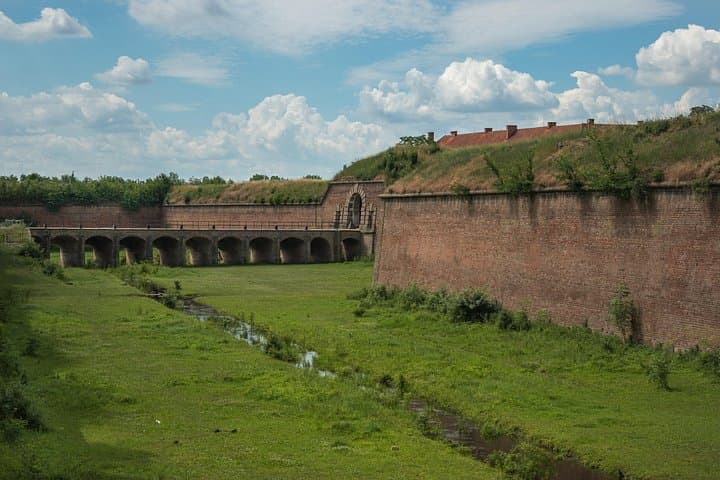
You leave Prague’s tram-slick streets and settle into a quiet highway rhythm; the river plains open and the fortress walls of Terezín appear like an intractable outline against the sky. The minivan pulls up at the Small Fortress and the scale of fortified masonry—ramparts, watch towers, stone courtyards—imposes a steady, reflective pace.
You leave Prague’s tram-slick streets and settle into a quiet highway rhythm; the river plains open and the fortress walls of Terezín appear like an intractable outline against the sky. The minivan pulls up at the Small Fortress and the scale of fortified masonry—ramparts, watch towers, stone courtyards—imposes a steady, reflective pace.
Founded in the late 18th century as an imperial fortress, Terezín was repurposed in World War II as a garrison prison and the site of the Jewish ghetto. The geology here is lowland floodplain of the Elbe–Ohře basin: flat approaches made defense practical and the stone and brick structures weathered by riverside humidity. Cultural memory is woven into street plaques, preserved façades of the Magdeburg Barracks, and the quiet paths that carry visitors from one memorial to another.
Expect moments of silence along outer walls, the measured voice of your English-speaking driver offering historical context before you enter museums on your own. Practicalities matter: museum admission isn’t automatically included, some interiors restrict photography, and sections close for maintenance or holidays.
For planning, allow a full six hours for round-trip transport and visits to the Small Fortress, Ghetto Museum, and Magdeburg Barracks. Wear sturdy walking shoes for cobbled courtyards, bring layered clothing for wind off the river, and carry water—there are limited refreshment points inside memorial grounds. Check opening hours in advance, and treat the site with respectful behavior: this is a place of remembrance as much as a historical site.