THE ADVENTURE COLLECTIVE® · Independent discovery and booking for outdoor travel

Leave Mexico City by public transit for a full-day visit to Teotihuacan—walk the Calzada de los Muertos, study the Moon and Sun pyramids with a local guide, and eat a homemade lunch in a family home. This tour blends archaeology with contemporary village life.
Leave Mexico City by public transit for a full-day visit to Teotihuacan—walk the Calzada de los Muertos, study the Moon and Sun pyramids with a local guide, and eat a homemade lunch in a family home. This tour blends archaeology with contemporary village life.
You step off a local bus into a broad valley of sun-baked stone; the Sun Pyramid rises ahead like a deliberate monument to scale and patience, its slope catching light while the Avenue of the Dead stretches away in a straight, human-made horizon.
Verified experiences and guided adventures in the surrounding area.
Operated by Intrepid Urban Adventures - Latin America · San Juan Teotihuacán, State of Mexico
You step off a local bus into a broad valley of sun-baked stone; the Sun Pyramid rises ahead like a deliberate monument to scale and patience, its slope catching light while the Avenue of the Dead stretches away in a straight, human-made horizon.
Teotihuacan was one of pre-Columbian Mesoamerica’s largest cities between roughly 100–700 CE, a planned urban center whose monumental architecture still anchors the high plain north of Mexico City. The geology of the basin—volcanic tuffs and compacted ash—gave builders workable stone and a flat stage for ceremonial avenues. Today the site sits alongside working villages where family-run craft shops and small pulquerías keep local customs alive.
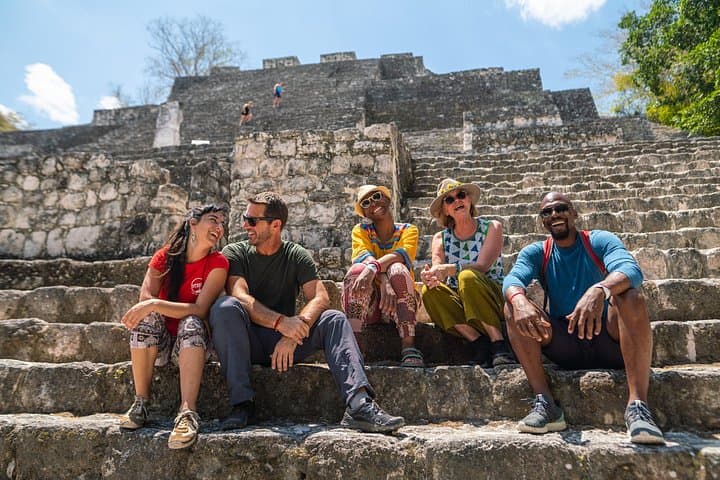
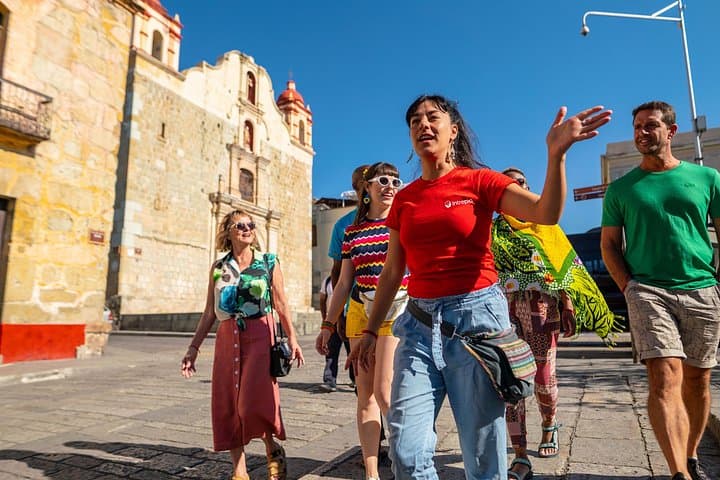
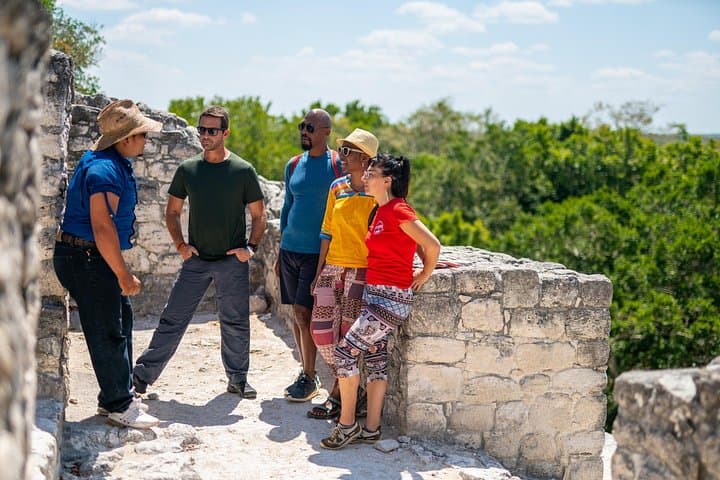
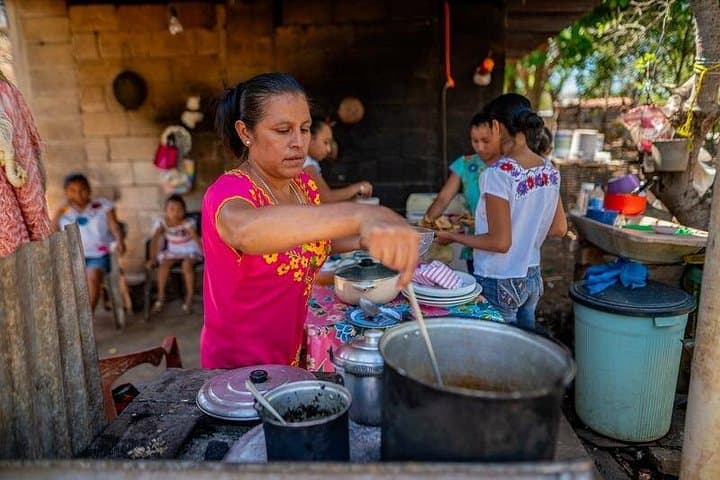
This full-day experience mixes archaeology with living culture: meet at the House of Tiles, ride public buses out of the metropolis, walk roughly 6 km across the site, and explore the Moon and Sun Pyramids and the Calzada de los Muertos with an English-speaking guide. A homemade lunch in a family home and stops at two family businesses turn the visit into a window on contemporary life beyond the ruins. Note practical constraints: climbing the pyramids is prohibited and the day involves repeated sun exposure and uneven surfaces.
Plan for sturdy footwear, sun protection, and at least moderate fitness; pace yourself on the long walk between monuments. Traveling by metro and bus makes the trip affordable and connects you to neighborhoods most visitors miss.
moderate.
8 hours.
Suitable for travelers with moderate fitness who can walk 6 km on uneven ground and tolerate sun and some altitude
The tour includes about 6 km of walking across mostly packed earth and stone paths between the main pyramids and viewpoints.
No—climbing the pyramids is not allowed; visitors can walk around and ascend permitted platforms where available but must follow site rules.
Vegetarian, vegan, and gluten-free options are available if you notify the operator in advance when booking.
This experience uses public buses and a short local transfer—your guide coordinates group boarding to the north bus station and the onward countryside bus.
Teotihuacan rose as a major urban center from around 100 CE and was a cultural and economic hub long before the Aztecs named it the 'place where the gods were created.'
The site restricts climbing and regulates access to protect fragile structures; supporting local family businesses brings economic benefits to nearby towns while reducing pressure on centralized tourist facilities.
Intrepid Urban Adventures - Latin America operates guided outdoor trips and adventures with an emphasis on safety, stewardship, and memorable experiences.
You step off a local bus into a broad valley of sun-baked stone; the Sun Pyramid rises ahead like a deliberate monument to scale and patience, its slope catching light while the Avenue of the Dead stretches away in a straight, human-made horizon.
You step off a local bus into a broad valley of sun-baked stone; the Sun Pyramid rises ahead like a deliberate monument to scale and patience, its slope catching light while the Avenue of the Dead stretches away in a straight, human-made horizon.
Teotihuacan was one of pre-Columbian Mesoamerica’s largest cities between roughly 100–700 CE, a planned urban center whose monumental architecture still anchors the high plain north of Mexico City. The geology of the basin—volcanic tuffs and compacted ash—gave builders workable stone and a flat stage for ceremonial avenues. Today the site sits alongside working villages where family-run craft shops and small pulquerías keep local customs alive.
This full-day experience mixes archaeology with living culture: meet at the House of Tiles, ride public buses out of the metropolis, walk roughly 6 km across the site, and explore the Moon and Sun Pyramids and the Calzada de los Muertos with an English-speaking guide. A homemade lunch in a family home and stops at two family businesses turn the visit into a window on contemporary life beyond the ruins. Note practical constraints: climbing the pyramids is prohibited and the day involves repeated sun exposure and uneven surfaces.
Plan for sturdy footwear, sun protection, and at least moderate fitness; pace yourself on the long walk between monuments. Traveling by metro and bus makes the trip affordable and connects you to neighborhoods most visitors miss.