THE ADVENTURE COLLECTIVE® · Independent discovery and booking for outdoor travel

Ride a cable car up Spain’s highest peak, walk volcanic trails and scan a sea of islands from Teide’s high plateaus. This private excursion pairs transport and local knowledge with flexible timing for a full-day exploration of Tenerife’s dramatic core.
Ride a cable car up Spain’s highest peak, walk volcanic trails and scan a sea of islands from Teide’s high plateaus. This private excursion pairs transport and local knowledge with flexible timing for a full-day exploration of Tenerife’s dramatic core.
The first light on Teide slices the volcanic cone in hard relief; wind presses at your jacket and the island seems to fold away beneath you. On a private excursion through Teide National Park you'll move from lowland scrub and pine forests into a high desert of black pumice, lava flows and sculpted rock, with the cable car rising like a metal seam up the slope.
Verified experiences and guided adventures in the surrounding area.
Operated by Gloma Travel · La Orotava, Santa Cruz de Tenerife
The first light on Teide slices the volcanic cone in hard relief; wind presses at your jacket and the island seems to fold away beneath you. On a private excursion through Teide National Park you'll move from lowland scrub and pine forests into a high desert of black pumice, lava flows and sculpted rock, with the cable car rising like a metal seam up the slope.
Teide is Spain’s highest peak at 3,718 m and a UNESCO World Heritage Site. The park’s landscape records volcanic episodes millions of years old: basaltic flows, rhyolitic domes and ash that built Tenerife’s central massif. Human history here is small but vivid — Guanche place names and shepherd tracks still mark the high trails — while modern conservation manages visitor access to fragile soils and endemic plants.
Expect clear, wide views, sudden gusts, and a changeable sun. The cable car climbs from about 2,356 m to 3,555 m; the final 163 m to the summit crater requires a permit if you intend to go all the way. The provider includes private transportation and a 5–6 hour window for viewpoints, short walks, and the cable car stop (cable car tickets not included).
Practical guidance: book cable car slots and summit permits in advance, layer for wind and rapid temperature swings, and bring at least 1.5–2 L of water. Footing is uneven — good trekking shoes matter more than speed. If you’re prone to altitude effects, take a slow pace and plan for a relaxed return to lower elevations. With a private tour you can tailor timing to light and weather, making the most of Teide’s stark, powerful terrain.
moderate.
5–6 hours.
Light to moderate fitness; able to walk short sections on uneven, rocky volcanic terrain and tolerate brief altitude exposure.
No — the itinerary notes the cable car experience but cable car tickets are not included; book them separately or ask your operator to arrange them.
Yes — access to the crater summit requires a free, timed permit from the national park authority; arrange this in advance if you plan to go beyond La Rambleta station.
The provider indicates stroller accessibility and infant seats are available, but high-altitude sections and uneven terrain mean toddlers should be carried for short walks and parents should plan accordingly.
Some visitors feel breathless or lightheaded above 2,500 m; avoid sudden exertion, stay hydrated, eat lightly, and descend if symptoms worsen — consult a doctor if you have heart or respiratory conditions.
Teide’s slopes were sacred to the native Guanche people and later became strategic grazing and scientific observation sites; the park protects cultural as well as geological heritage.
The high-altitude ecosystem is fragile; stay on marked trails, avoid collecting rocks or plants, and respect access rules and summit permits to limit erosion and disturbance.
Gloma Travel operates guided outdoor trips and adventures with an emphasis on safety, stewardship, and memorable experiences.
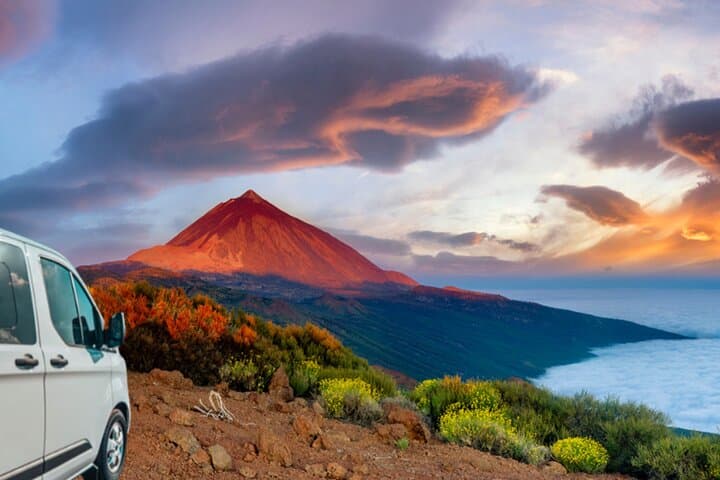
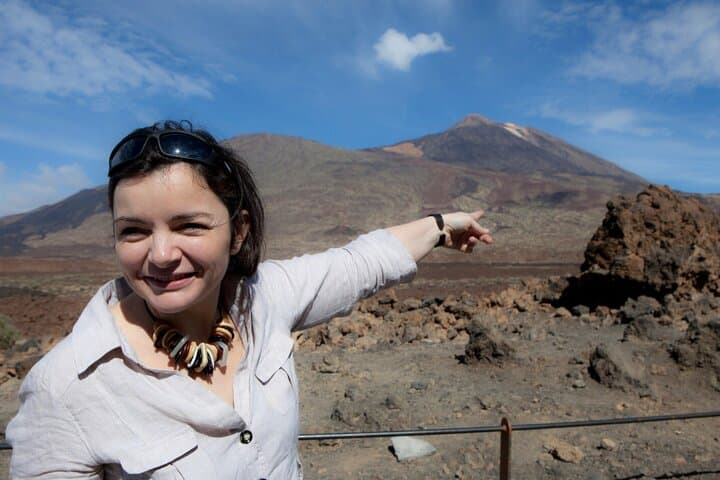
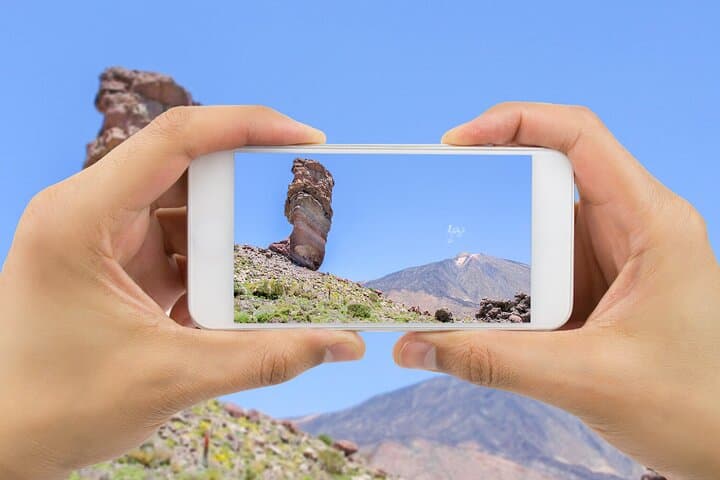
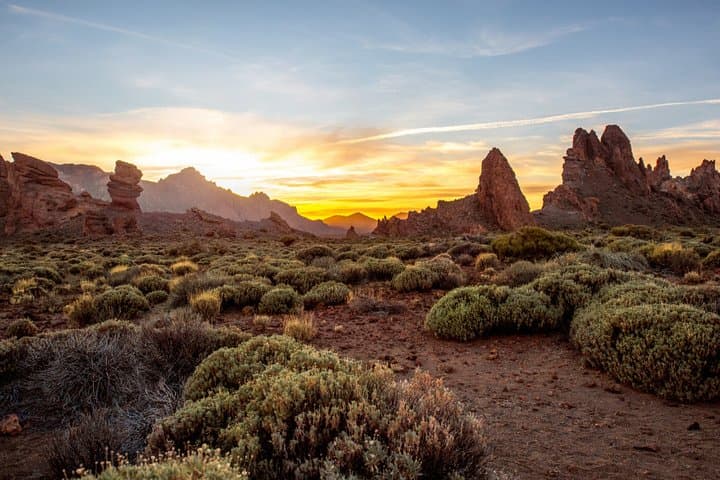
The first light on Teide slices the volcanic cone in hard relief; wind presses at your jacket and the island seems to fold away beneath you. On a private excursion through Teide National Park you'll move from lowland scrub and pine forests into a high desert of black pumice, lava flows and sculpted rock, with the cable car rising like a metal seam up the slope.
The first light on Teide slices the volcanic cone in hard relief; wind presses at your jacket and the island seems to fold away beneath you. On a private excursion through Teide National Park you'll move from lowland scrub and pine forests into a high desert of black pumice, lava flows and sculpted rock, with the cable car rising like a metal seam up the slope.
Teide is Spain’s highest peak at 3,718 m and a UNESCO World Heritage Site. The park’s landscape records volcanic episodes millions of years old: basaltic flows, rhyolitic domes and ash that built Tenerife’s central massif. Human history here is small but vivid — Guanche place names and shepherd tracks still mark the high trails — while modern conservation manages visitor access to fragile soils and endemic plants.
Expect clear, wide views, sudden gusts, and a changeable sun. The cable car climbs from about 2,356 m to 3,555 m; the final 163 m to the summit crater requires a permit if you intend to go all the way. The provider includes private transportation and a 5–6 hour window for viewpoints, short walks, and the cable car stop (cable car tickets not included).
Practical guidance: book cable car slots and summit permits in advance, layer for wind and rapid temperature swings, and bring at least 1.5–2 L of water. Footing is uneven — good trekking shoes matter more than speed. If you’re prone to altitude effects, take a slow pace and plan for a relaxed return to lower elevations. With a private tour you can tailor timing to light and weather, making the most of Teide’s stark, powerful terrain.