THE ADVENTURE COLLECTIVE® · Independent discovery and booking for outdoor travel

Skip the shuttle and arrive relaxed: a private taxi transfer puts you at Chartwell with time to tour Winston Churchill’s house, studio and gardens at your own pace. Expect knowledgeable commentary en route and four hours to explore the estate.
Skip the shuttle and arrive relaxed: a private taxi transfer puts you at Chartwell with time to tour Winston Churchill’s house, studio and gardens at your own pace. Expect knowledgeable commentary en route and four hours to explore the estate.
A gravel car park, an old London cab door clicking shut and a lane that leans into green — that first step into Chartwell feels like crossing a threshold in time. The drive out of the city loosens; hedgerows open to orchard-scented fields and the estate’s red-brick house rises above terraces of gardens and a studio that still keeps the smell of oil paint.
Verified experiences and guided adventures in the surrounding area.
Operated by Tours Of The UK · Westerham, Kent
A gravel car park, an old London cab door clicking shut and a lane that leans into green — that first step into Chartwell feels like crossing a threshold in time. The drive out of the city loosens; hedgerows open to orchard-scented fields and the estate’s red-brick house rises above terraces of gardens and a studio that still keeps the smell of oil paint.
Chartwell’s story is straightforward and crowded at once: bought by Winston Churchill in 1922, shaped by his taste for views and gardening, and later entrusted to the National Trust. The house holds portraits, maps and personal effects; the studio reveals the private side of a public life. Geologically, the property sits on the weald clay and gentle chalk of Kent — the landscape sulks and swells, creating the long sightlines Churchill favored for painting and reflection.
Culturally, Chartwell is as much about the everyday rhythms of a political family as about wartime strategy; the rooms show ordinary domestic life alongside extraordinary historic consequence. Locals still walk the estate paths; seasonal light changes the emphasis from roses to golden beech.
Practically, a private taxi transfer delivers the simplest visit: pick-up in London or nearby, four hours on site to tour house, studio and gardens, then a return. Tickets and parking are managed for you, and drivers often provide contextual narration en route.
Plan for mixed weather, give yourself time for the café or a picnic on the south lawn, and allow quiet moments by the small lake — Churchill’s views, after all, were meant to be looked out from, not rushed through.
easy.
6–8 hours.
Suitable for most fitness levels; moderate walking around uneven garden paths and house floors.
The typical arrangement allows about four hours on-site to tour the house, studio and gardens at a relaxed pace.
Yes — this transfer includes entry to Chartwell as arranged by the driver on arrival.
Chartwell has uneven paths and historic interiors; the grounds offer accessible routes but parts of the house may have restricted access—check with the National Trust ahead of time.
Both options are available; picnics are welcome in the grounds and the café offers light meals, but it can be busy at peak times.
Chartwell was the family home of Sir Winston Churchill from 1922 until his death in 1965 and was left to the National Trust, preserving its domestic and political heritage.
The National Trust manages the house and gardens with conservation planting and path maintenance; visitors are asked to stick to marked routes and avoid drones to protect wildlife and historic fabric.
Tours Of The UK operates guided outdoor trips and adventures with an emphasis on safety, stewardship, and memorable experiences.
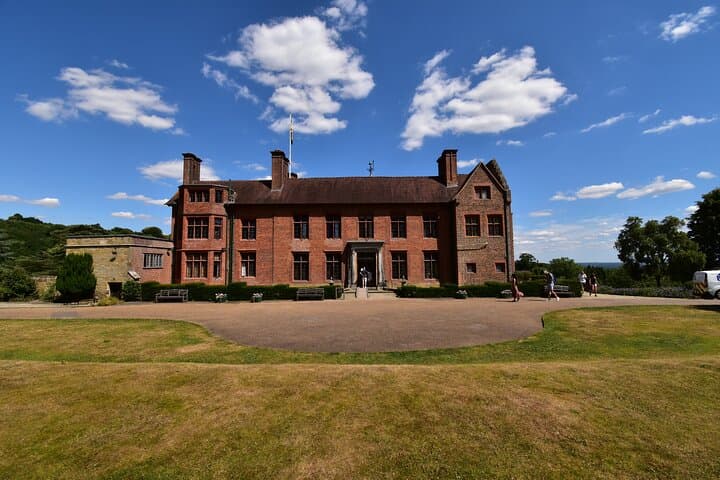
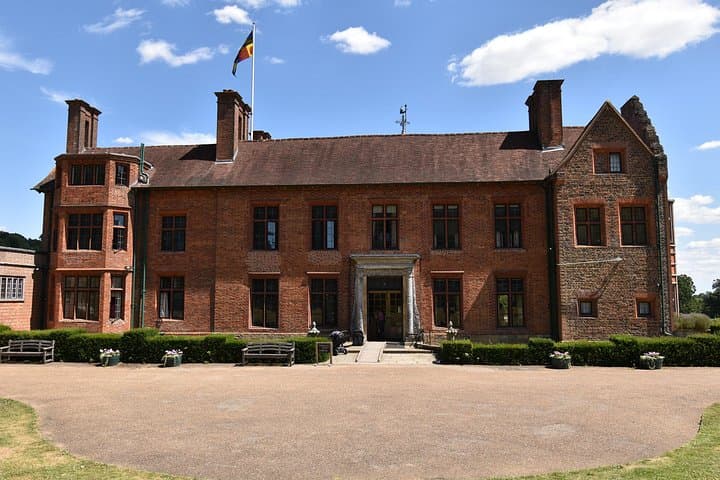
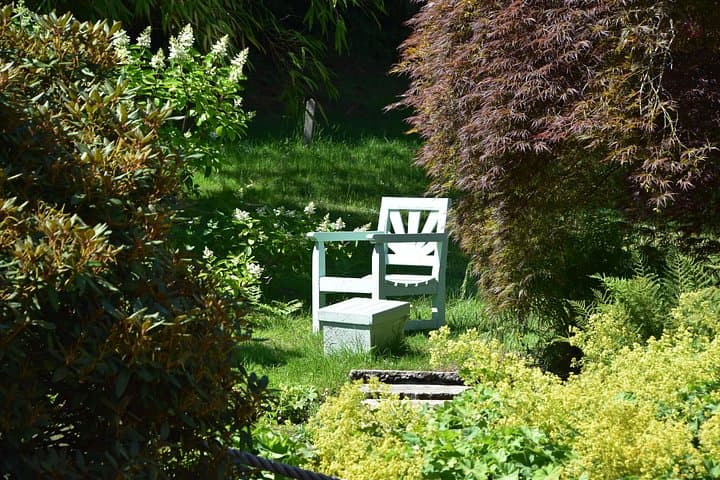
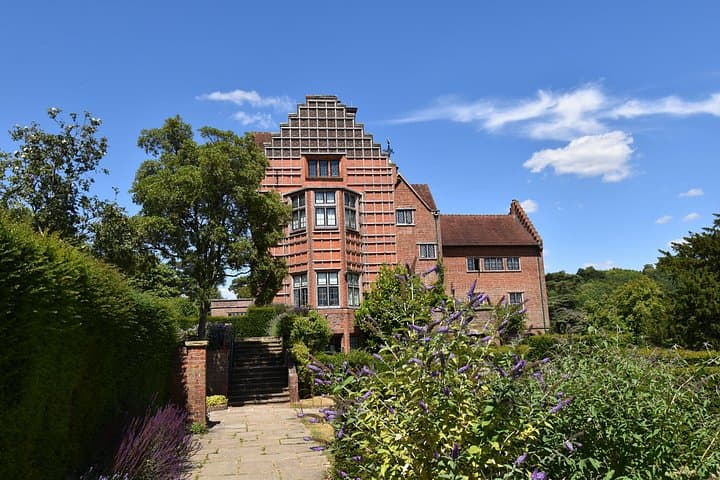
A gravel car park, an old London cab door clicking shut and a lane that leans into green — that first step into Chartwell feels like crossing a threshold in time. The drive out of the city loosens; hedgerows open to orchard-scented fields and the estate’s red-brick house rises above terraces of gardens and a studio that still keeps the smell of oil paint.
A gravel car park, an old London cab door clicking shut and a lane that leans into green — that first step into Chartwell feels like crossing a threshold in time. The drive out of the city loosens; hedgerows open to orchard-scented fields and the estate’s red-brick house rises above terraces of gardens and a studio that still keeps the smell of oil paint.
Chartwell’s story is straightforward and crowded at once: bought by Winston Churchill in 1922, shaped by his taste for views and gardening, and later entrusted to the National Trust. The house holds portraits, maps and personal effects; the studio reveals the private side of a public life. Geologically, the property sits on the weald clay and gentle chalk of Kent — the landscape sulks and swells, creating the long sightlines Churchill favored for painting and reflection.
Culturally, Chartwell is as much about the everyday rhythms of a political family as about wartime strategy; the rooms show ordinary domestic life alongside extraordinary historic consequence. Locals still walk the estate paths; seasonal light changes the emphasis from roses to golden beech.
Practically, a private taxi transfer delivers the simplest visit: pick-up in London or nearby, four hours on site to tour house, studio and gardens, then a return. Tickets and parking are managed for you, and drivers often provide contextual narration en route.
Plan for mixed weather, give yourself time for the café or a picnic on the south lawn, and allow quiet moments by the small lake — Churchill’s views, after all, were meant to be looked out from, not rushed through.