THE ADVENTURE COLLECTIVE® · Independent discovery and booking for outdoor travel

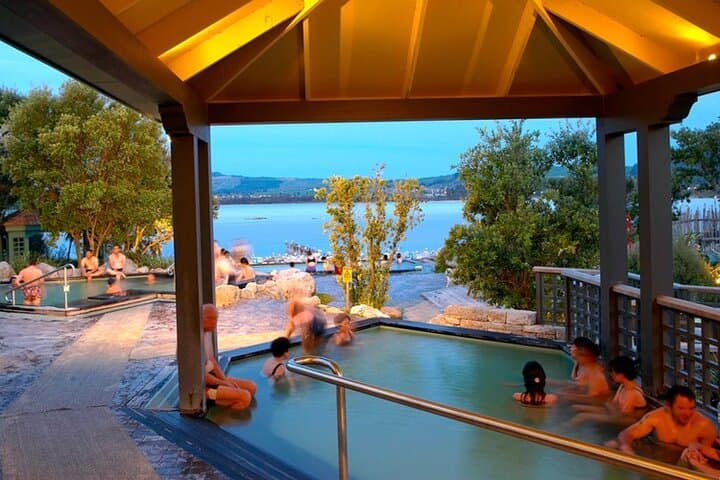
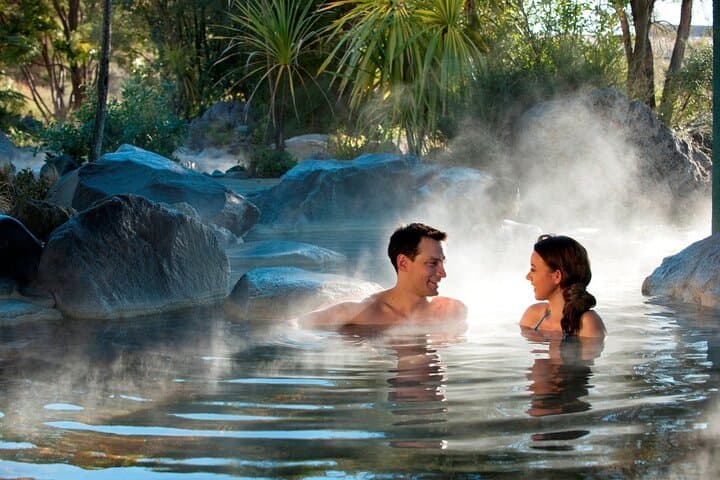
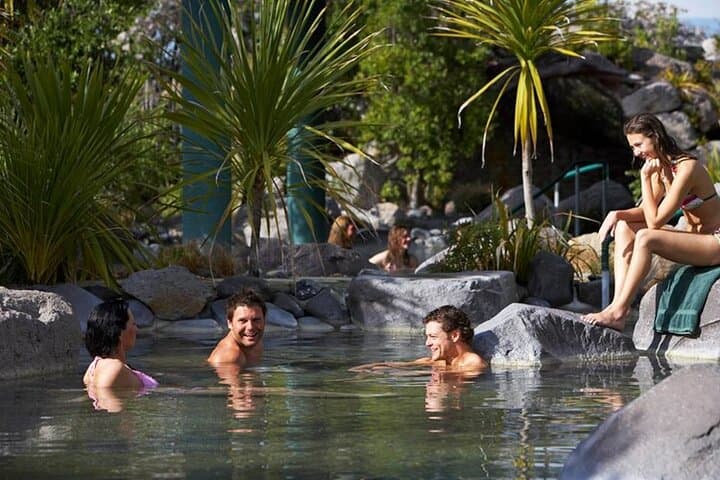
Small-group private transfer from Tauranga to Rotorua combining Te Puia’s geothermal spectacle with an hour at the Polynesian Spa. Expect boardwalks, dramatic geyser eruptions, Māori cultural encounters, and a relaxed soak before returning to port.
Small-group private transfer from Tauranga to Rotorua combining Te Puia’s geothermal spectacle with an hour at the Polynesian Spa. Expect boardwalks, dramatic geyser eruptions, Māori cultural encounters, and a relaxed soak before returning to port.
You step off the ship at Tauranga and the air changes: salt tang behind you, steam ahead. The van threads coastal road past Mount Maunganui’s wide surf, then climbs into rolling orchards and farmland until Rotorua’s geothermal steam begins to lace the skyline. At Te Puia the earth feels alive—steam vents sigh, boiling mud bubbles, and Pōhutu geyser readies a sudden, towering pulse that hurls water and steam toward the sky.
Verified experiences and guided adventures in the surrounding area.
Operated by Tauranga Cuise and Tour · Rotorua, Bay of Plenty
You step off the ship at Tauranga and the air changes: salt tang behind you, steam ahead. The van threads coastal road past Mount Maunganui’s wide surf, then climbs into rolling orchards and farmland until Rotorua’s geothermal steam begins to lace the skyline. At Te Puia the earth feels alive—steam vents sigh, boiling mud bubbles, and Pōhutu geyser readies a sudden, towering pulse that hurls water and steam toward the sky.
This route runs through the Bay of Plenty’s volcanic heart. The thermal fields are driven by the Taupo Volcanic Zone—hot, shallow magma heats groundwater into springs and geysers. Te Puia is also a living Māori cultural centre: carvers and weavers practice traditions that link present-day iwi with ancestors who lived beside these vents. Rotorua’s lakes and sulphur-scented terraces tell a long story of geothermal change, Māori settlement, and pā sites adapted to thermal resources.
Practicalities shape the day: the private, small-group tour (max four) returns you to Tauranga port on time and includes bottled water and in-vehicle commentary. Expect about seven hours total with two hours at Te Puia and roughly one hour at the Polynesian Spa; moderate walking on boardwalks and steps, and short drives between stops.
Pack swimwear and a towel for the spa, sturdy shoes for uneven thermal boardwalks, and a light rain jacket—Rotorua weather shifts fast. Observe signs and guide instructions around thermal features; their heat is real. Allow time for café breaks and plan photos early—steam and light combine best in the morning or late afternoon.
easy.
7 hours.
Light–moderate; suitable for most fitness levels with short walks on flat or gently stepped boardwalks
The tour is approximately seven hours (including transfers) and is designed with a return-to-ship guarantee—pickup and drop-off at Tauranga Port are included.
The tour is family-friendly but involves boardwalks and steps; infants can use strollers and infant seats are available, though those with serious mobility or spinal issues should take care.
Photography is generally permitted on thermal boardwalks but follow site-specific rules at cultural displays and respect any restricted areas; spa facilities allow casual photos but avoid filming others without permission.
Bottled water and in-vehicle commentary are included; plan for independent stops in Rotorua if you want a sit-down meal—bring snacks if you prefer to maximize time at sites.
Rotorua’s thermal landscape has supported Māori settlement for centuries; Te Puia sits within Whakarewarewa, a living village where geothermal features were used for cooking and bathing.
Thermal areas are fragile—stay on boardwalks, avoid touching pools, and follow local guidelines to protect delicate microbial mats and geothermal formations.
Tauranga Cuise and Tour operates guided outdoor trips and adventures with an emphasis on safety, stewardship, and memorable experiences.
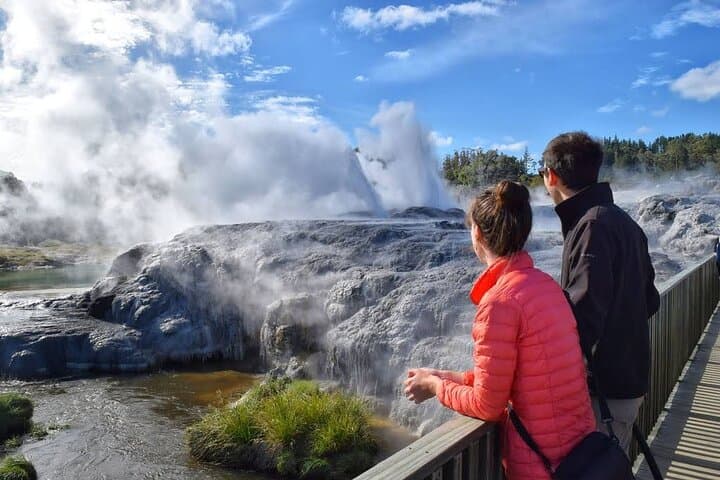
You step off the ship at Tauranga and the air changes: salt tang behind you, steam ahead. The van threads coastal road past Mount Maunganui’s wide surf, then climbs into rolling orchards and farmland until Rotorua’s geothermal steam begins to lace the skyline. At Te Puia the earth feels alive—steam vents sigh, boiling mud bubbles, and Pōhutu geyser readies a sudden, towering pulse that hurls water and steam toward the sky.
You step off the ship at Tauranga and the air changes: salt tang behind you, steam ahead. The van threads coastal road past Mount Maunganui’s wide surf, then climbs into rolling orchards and farmland until Rotorua’s geothermal steam begins to lace the skyline. At Te Puia the earth feels alive—steam vents sigh, boiling mud bubbles, and Pōhutu geyser readies a sudden, towering pulse that hurls water and steam toward the sky.
This route runs through the Bay of Plenty’s volcanic heart. The thermal fields are driven by the Taupo Volcanic Zone—hot, shallow magma heats groundwater into springs and geysers. Te Puia is also a living Māori cultural centre: carvers and weavers practice traditions that link present-day iwi with ancestors who lived beside these vents. Rotorua’s lakes and sulphur-scented terraces tell a long story of geothermal change, Māori settlement, and pā sites adapted to thermal resources.
Practicalities shape the day: the private, small-group tour (max four) returns you to Tauranga port on time and includes bottled water and in-vehicle commentary. Expect about seven hours total with two hours at Te Puia and roughly one hour at the Polynesian Spa; moderate walking on boardwalks and steps, and short drives between stops.
Pack swimwear and a towel for the spa, sturdy shoes for uneven thermal boardwalks, and a light rain jacket—Rotorua weather shifts fast. Observe signs and guide instructions around thermal features; their heat is real. Allow time for café breaks and plan photos early—steam and light combine best in the morning or late afternoon.