THE ADVENTURE COLLECTIVE® · Independent discovery and booking for outdoor travel

Spend a full day tracing Tashkent’s layered history: earthquake memorials, the Khazrati Imom complex, Chorsu market and the ornate Metro. This private tour includes hotel pickup, entrance fees and a traditional plov lunch.
Spend a full day tracing Tashkent’s layered history: earthquake memorials, the Khazrati Imom complex, Chorsu market and the ornate Metro. This private tour includes hotel pickup, entrance fees and a traditional plov lunch.
You step from an air-conditioned car into a city that still wears its history openly — fountains ripple in Amir Timur Square, vendors call from beneath Chorsu’s blue dome, and the Metro's chandeliers throw soft light on commuters. The day moves at a human pace: a brief, thoughtful stop at the Earthquake Memorial, then into the Khazrati Imom complex where carved wood and ceramic tile anchor centuries of learning.
Verified experiences and guided adventures in the surrounding area.
Operated by Samaria Travel · Tashkent, Tashkent
You step from an air-conditioned car into a city that still wears its history openly — fountains ripple in Amir Timur Square, vendors call from beneath Chorsu’s blue dome, and the Metro's chandeliers throw soft light on commuters. The day moves at a human pace: a brief, thoughtful stop at the Earthquake Memorial, then into the Khazrati Imom complex where carved wood and ceramic tile anchor centuries of learning.
Tashkent’s modern grid sits atop layers of Silk Road commerce and Soviet-era rebuilding after the 1966 quake; stones and plazas tell both stories. Geologically the city rests on fertile steppe soils fed by mountain streams from the Tian Shan foothills, which historically enabled settlement and trade. Culturally the day centers on Islam’s scholarly legacy (the Muyi Moborak library’s manuscripts), Uzbek hospitality, and street-level life at Chorsu market where spices, breads, and dried fruits define the local palate.
Practical guidance: the tour runs 6–7 hours and includes entrance fees, guide, lunch (traditional plov), and hotel pickup in an air-conditioned vehicle. Dress respectfully for religious sites — shoulders and knees covered, and women should carry a scarf. Bring comfortable walking shoes, sun protection, and a small daypack for water and purchases. Expect walking on paved city streets and steps inside monuments; the pace is gentle but the day is long. Time your visit in the morning to avoid peak heat and to catch the market at its liveliest.
easy.
6–7 hours.
Suitable for most fitness levels; expect several hours of walking on paved surfaces and steps.
Yes — the private tour includes hotel pickup and drop-off within Tashkent city limits using an air-conditioned car.
Entrance tickets to monuments and a traditional plov lunch at a local Plov Center are included in the tour price.
Plov is the featured lunch and traditionally contains meat; inform the operator in advance to arrange a vegetarian alternative.
Both men and women should cover shoulders and knees; women are asked to cover their hair with a scarf when entering mosques.
Tashkent was largely rebuilt after the devastating 1966 earthquake; many modern public spaces reflect Soviet-era planning layered over older Silk Road urban fabric.
Historic sites are fragile—follow site rules, avoid touching artifacts, and minimize single-use plastic at markets to reduce waste and wear on cultural landmarks.
Samaria Travel operates guided outdoor trips and adventures with an emphasis on safety, stewardship, and memorable experiences.
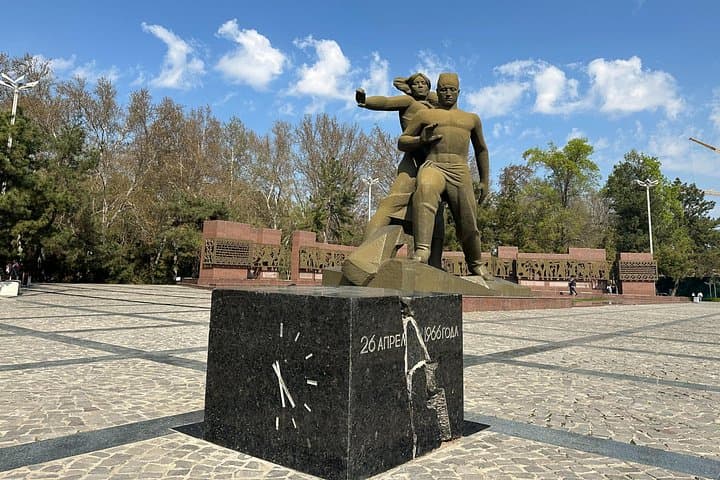
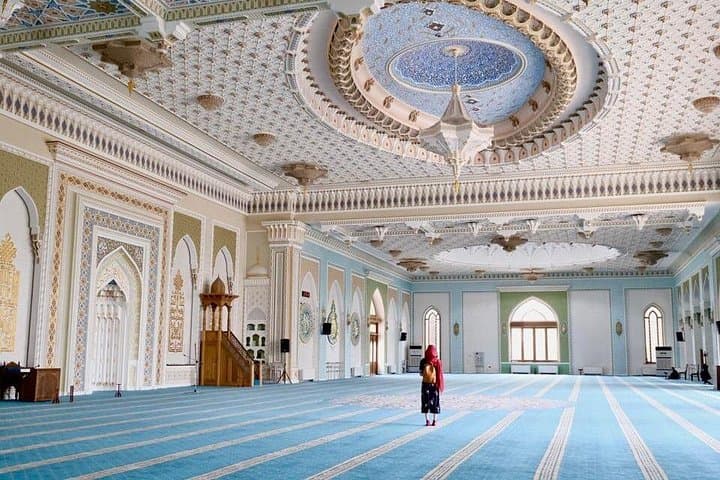
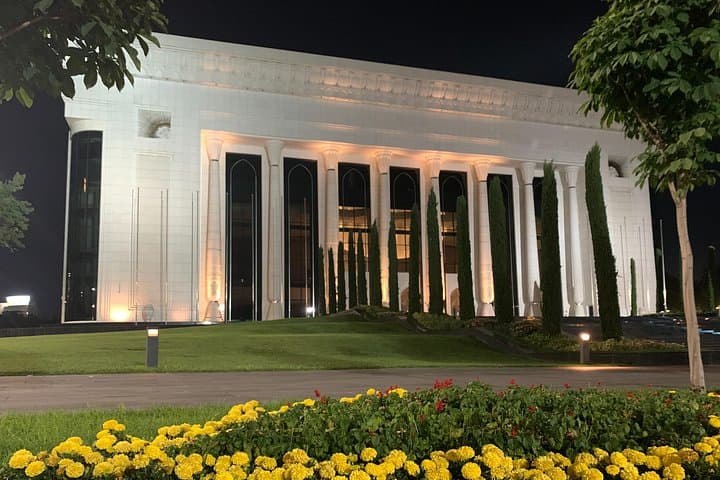
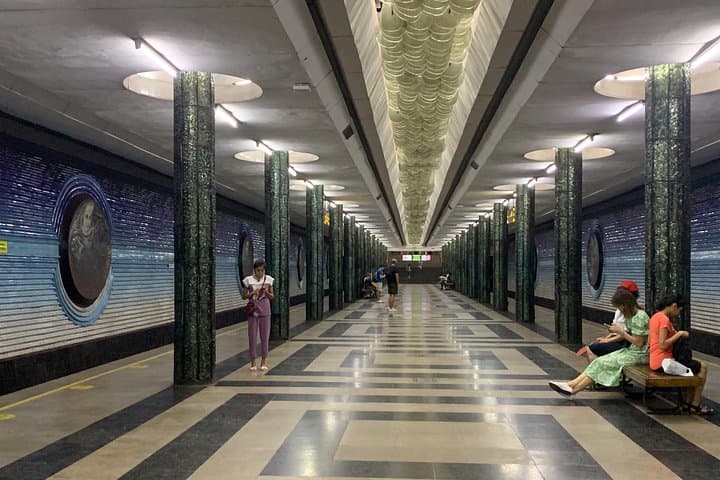
You step from an air-conditioned car into a city that still wears its history openly — fountains ripple in Amir Timur Square, vendors call from beneath Chorsu’s blue dome, and the Metro's chandeliers throw soft light on commuters. The day moves at a human pace: a brief, thoughtful stop at the Earthquake Memorial, then into the Khazrati Imom complex where carved wood and ceramic tile anchor centuries of learning.
You step from an air-conditioned car into a city that still wears its history openly — fountains ripple in Amir Timur Square, vendors call from beneath Chorsu’s blue dome, and the Metro's chandeliers throw soft light on commuters. The day moves at a human pace: a brief, thoughtful stop at the Earthquake Memorial, then into the Khazrati Imom complex where carved wood and ceramic tile anchor centuries of learning.
Tashkent’s modern grid sits atop layers of Silk Road commerce and Soviet-era rebuilding after the 1966 quake; stones and plazas tell both stories. Geologically the city rests on fertile steppe soils fed by mountain streams from the Tian Shan foothills, which historically enabled settlement and trade. Culturally the day centers on Islam’s scholarly legacy (the Muyi Moborak library’s manuscripts), Uzbek hospitality, and street-level life at Chorsu market where spices, breads, and dried fruits define the local palate.
Practical guidance: the tour runs 6–7 hours and includes entrance fees, guide, lunch (traditional plov), and hotel pickup in an air-conditioned vehicle. Dress respectfully for religious sites — shoulders and knees covered, and women should carry a scarf. Bring comfortable walking shoes, sun protection, and a small daypack for water and purchases. Expect walking on paved city streets and steps inside monuments; the pace is gentle but the day is long. Time your visit in the morning to avoid peak heat and to catch the market at its liveliest.