THE ADVENTURE COLLECTIVE® · Independent discovery and booking for outdoor travel

A personalized four-hour walking tasting that stitches Alfama, Mouraria and Baixa into a food-focused story of Lisbon. Expect 6–8 authentic tastings, local insider stories, and a custom route built around your preferences.
A personalized four-hour walking tasting that stitches Alfama, Mouraria and Baixa into a food-focused story of Lisbon. Expect 6–8 authentic tastings, local insider stories, and a custom route built around your preferences.
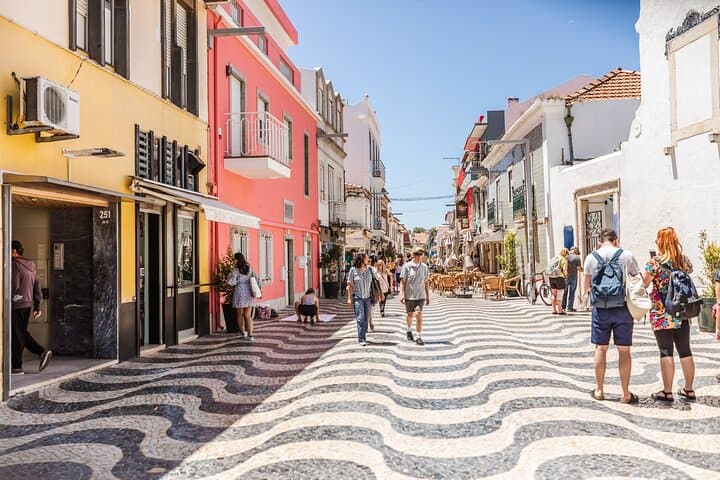
The guide meets you at Praça do Comércio and the city opens like a map—cobbled alleys sloping toward the Tagus, trams clattering past, and the scent of frying fish wafting from tucked-away doors.
Verified experiences and guided adventures in the surrounding area.
Operated by City Unscripted · Lisbon, Lisbon
The guide meets you at Praça do Comércio and the city opens like a map—cobbled alleys sloping toward the Tagus, trams clattering past, and the scent of frying fish wafting from tucked-away doors.
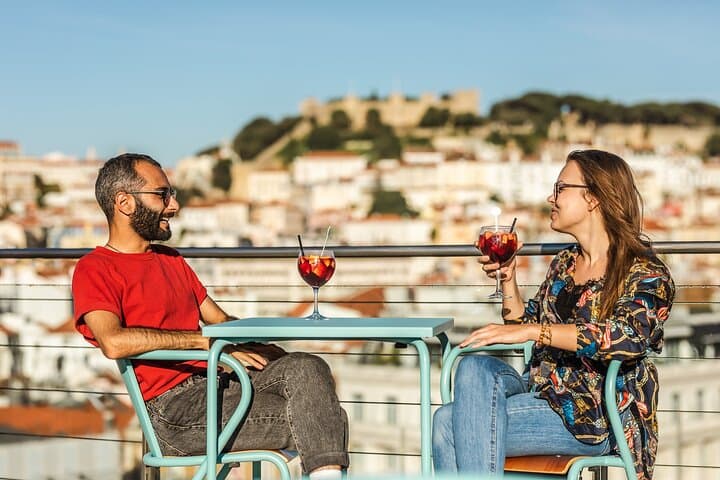
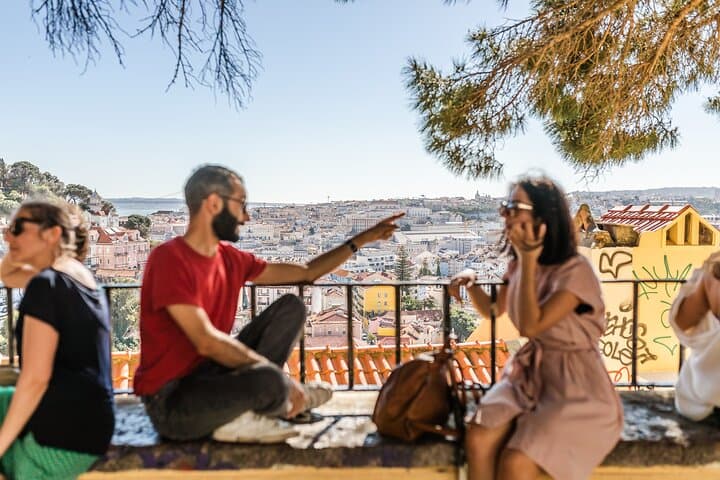
This private, four-hour tasting walks through Alfama, Mouraria and Baixa soaks up Lisbon’s layered past: Moorish street patterns, the scars of the 1755 earthquake, and the maritime wealth that turned cod and salted fish into national staples. Geologically, you’re on the Tagus estuary and seven hills; the climb to viewpoints like Senhora do Monte reveals the city’s limestone terraces and tiled roofs spilling to the river.
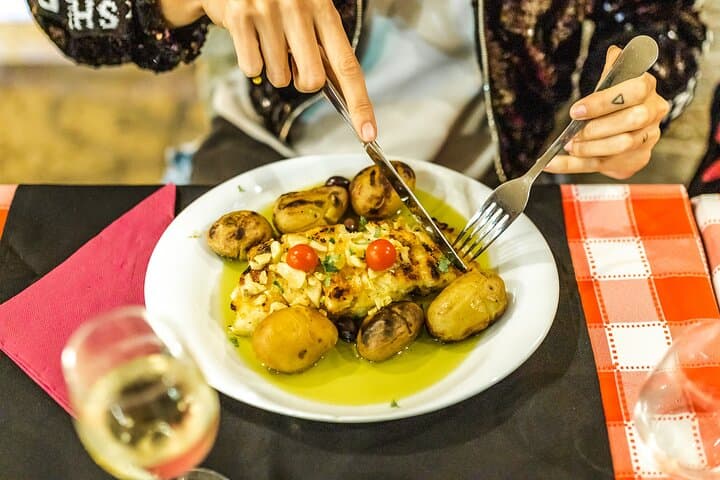
Culinary culture is personal here—small tascas (neighborhood taverns) hand down recipes: pastel de nata from old bakeries, pasteis de bacalhau in corner bars, and petiscos shared like conversation. Local hosts connect you to proprietors, share fado anecdotes, and point out markets that feed Lisbon’s daily life.
Practical guidance: expect 1–3 miles of walking on uneven cobbles and short flights of steps—comfortable shoes matter. The tour is tailored after a pre-tour questionnaire, so flag allergies or strong dislikes early. Bring a small amount of cash for tiny tascas that prefer it, but most places accept cards. Weather shifts quickly near the river; a lightweight layer handles morning fog and warmer afternoons. Hydrate between tastings and pace yourself—this is sampling, not a meal. By the end you’ll have a curated list of spots to revisit, inside tips for ordering, and a clearer sense of how Lisbon’s history tastes on the plate.
easy.
4 hours.
Light walking fitness—able to cover a few miles on uneven surfaces and climb short stair sections.
Yes—hosts tailor the route after your questionnaire; communicate allergies and preferences at booking and again at the meeting point.
The tour covers city streets with cobbles and some steps; listings note wheelchair and stroller accessibility but specific routes may vary—confirm with your host after booking.
Most tastings include small food portions; drinks may be included at some stops but expect to pay for larger beverages or special orders unless specified otherwise.
Tipping is customary for good service; guides are often self-employed—plan a modest tip based on your satisfaction and group size.
Lisbon’s food culture reflects centuries of maritime trade—salted cod (bacalhau) and preserved goods became staples during Portugal’s Age of Exploration.
Support small, family-run tascas to help sustain local economies; minimize plastic waste by carrying a reusable bottle and disposing of trash at official bins.
City Unscripted operates guided outdoor trips and adventures with an emphasis on safety, stewardship, and memorable experiences.
The guide meets you at Praça do Comércio and the city opens like a map—cobbled alleys sloping toward the Tagus, trams clattering past, and the scent of frying fish wafting from tucked-away doors.
The guide meets you at Praça do Comércio and the city opens like a map—cobbled alleys sloping toward the Tagus, trams clattering past, and the scent of frying fish wafting from tucked-away doors.
This private, four-hour tasting walks through Alfama, Mouraria and Baixa soaks up Lisbon’s layered past: Moorish street patterns, the scars of the 1755 earthquake, and the maritime wealth that turned cod and salted fish into national staples. Geologically, you’re on the Tagus estuary and seven hills; the climb to viewpoints like Senhora do Monte reveals the city’s limestone terraces and tiled roofs spilling to the river.
Culinary culture is personal here—small tascas (neighborhood taverns) hand down recipes: pastel de nata from old bakeries, pasteis de bacalhau in corner bars, and petiscos shared like conversation. Local hosts connect you to proprietors, share fado anecdotes, and point out markets that feed Lisbon’s daily life.
Practical guidance: expect 1–3 miles of walking on uneven cobbles and short flights of steps—comfortable shoes matter. The tour is tailored after a pre-tour questionnaire, so flag allergies or strong dislikes early. Bring a small amount of cash for tiny tascas that prefer it, but most places accept cards. Weather shifts quickly near the river; a lightweight layer handles morning fog and warmer afternoons. Hydrate between tastings and pace yourself—this is sampling, not a meal. By the end you’ll have a curated list of spots to revisit, inside tips for ordering, and a clearer sense of how Lisbon’s history tastes on the plate.