THE ADVENTURE COLLECTIVE® · Independent discovery and booking for outdoor travel

A compact vehicle-based safari linking Lake Manyara’s water-forests with the immense Ngorongoro Crater. Expect close wildlife encounters, birdlife-rich wetlands, and a deep geological backdrop.
A compact vehicle-based safari linking Lake Manyara’s water-forests with the immense Ngorongoro Crater. Expect close wildlife encounters, birdlife-rich wetlands, and a deep geological backdrop.
Dawn slides across the rift-edge plains as your vehicle threads acacia corridors toward Lake Manyara. Flamingos flare on the lake; baboons chatter in the branches above; and somewhere nearby a lion, comfortable enough to climb, surveys the scene. The trip moves from the layered wetlands and water-forest of Lake Manyara to the immense bowl of Ngorongoro Crater, where a single descent drops you into a self-contained world of grasslands, mopane woodland and seasonal alkaline lakes.
Verified experiences and guided adventures in the surrounding area.
Operated by MORAKA AFRICA SAFARIS · Arusha, Arusha Region
Dawn slides across the rift-edge plains as your vehicle threads acacia corridors toward Lake Manyara. Flamingos flare on the lake; baboons chatter in the branches above; and somewhere nearby a lion, comfortable enough to climb, surveys the scene. The trip moves from the layered wetlands and water-forest of Lake Manyara to the immense bowl of Ngorongoro Crater, where a single descent drops you into a self-contained world of grasslands, mopane woodland and seasonal alkaline lakes.
Geology here is visceral: Ngorongoro is a collapsed volcanic caldera—its 600-meter rim a reminder of an ancient eruption whose rim now holds a mosaic of habitats. Culturally, the Maasai people have grazed these slopes for generations; their pastoral presence and negotiated grazing rights are part of the conservation mosaic that shapes visitor access.
Expect game-rich drives rather than strenuous trekking—vehicle-based sighting windows, short guided walks at designated spots, and photo stops at Lake Magadi and crater viewpoints. Guides use knowledge of seasonal movements and watering points; early mornings and late afternoons are best for predator activity.
Practical guidance: carry sun protection, a warm layer for early crater hours, and binoculars for bird and carnivore watching. Vehicle rides can be bumpy—secure your camera gear and hydrate between stops. Respect park rules: no off-road driving, no feeding wildlife, and follow your guide’s directions.
This is a compact safari experience that places you face-to-face with East African wildlife in two of northern Tanzania’s most accessible conservation areas.
easy.
2 days.
Suitable for most fitness levels; primarily vehicle-based with short, easy walks.
Typical game drives in this tour are 3–6 hours with stops for wildlife viewing, photography and short walks where permitted.
Consult your doctor before travel; malaria risk exists in parts of northern Tanzania and routine travel vaccinations are recommended.
Confirm with the operator—this tour lists inclusions like meals and guide, but park entry fees and conservation levies may be charged separately.
The itinerary notes accessibility features and suitability for most fitness levels, but crater descents and bumpy roads may be challenging for some; check specific transport needs with the operator.
Ngorongoro formed when a large volcano collapsed hundreds of thousands of years ago; Maasai pastoralists have grazed the highlands for generations, shaping land use patterns.
Ngorongoro and Manyara are managed as conservation areas where tourism revenue supports protection and where coexistence with Maasai pastoralism is carefully regulated.
MORAKA AFRICA SAFARIS operates guided outdoor trips and adventures with an emphasis on safety, stewardship, and memorable experiences.
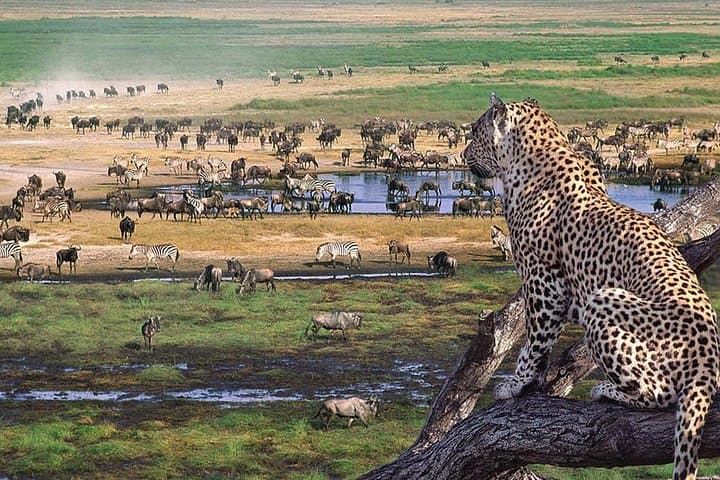
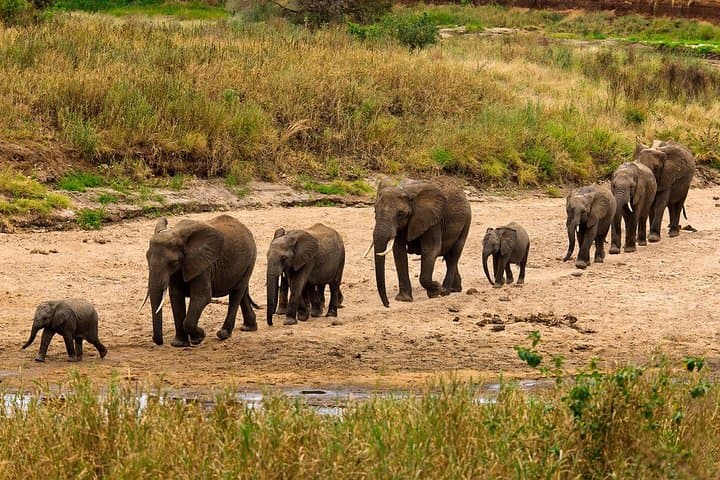
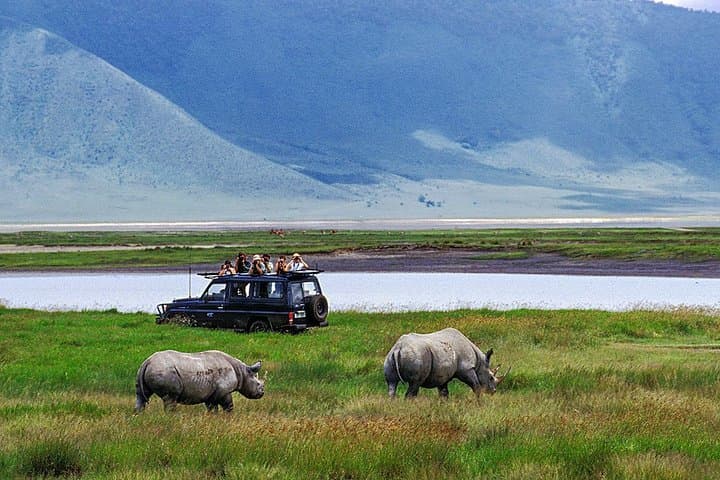
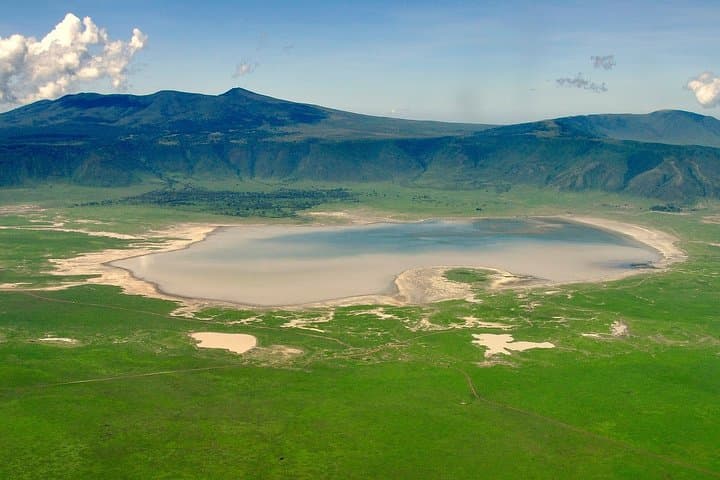
Dawn slides across the rift-edge plains as your vehicle threads acacia corridors toward Lake Manyara. Flamingos flare on the lake; baboons chatter in the branches above; and somewhere nearby a lion, comfortable enough to climb, surveys the scene. The trip moves from the layered wetlands and water-forest of Lake Manyara to the immense bowl of Ngorongoro Crater, where a single descent drops you into a self-contained world of grasslands, mopane woodland and seasonal alkaline lakes.
Dawn slides across the rift-edge plains as your vehicle threads acacia corridors toward Lake Manyara. Flamingos flare on the lake; baboons chatter in the branches above; and somewhere nearby a lion, comfortable enough to climb, surveys the scene. The trip moves from the layered wetlands and water-forest of Lake Manyara to the immense bowl of Ngorongoro Crater, where a single descent drops you into a self-contained world of grasslands, mopane woodland and seasonal alkaline lakes.
Geology here is visceral: Ngorongoro is a collapsed volcanic caldera—its 600-meter rim a reminder of an ancient eruption whose rim now holds a mosaic of habitats. Culturally, the Maasai people have grazed these slopes for generations; their pastoral presence and negotiated grazing rights are part of the conservation mosaic that shapes visitor access.
Expect game-rich drives rather than strenuous trekking—vehicle-based sighting windows, short guided walks at designated spots, and photo stops at Lake Magadi and crater viewpoints. Guides use knowledge of seasonal movements and watering points; early mornings and late afternoons are best for predator activity.
Practical guidance: carry sun protection, a warm layer for early crater hours, and binoculars for bird and carnivore watching. Vehicle rides can be bumpy—secure your camera gear and hydrate between stops. Respect park rules: no off-road driving, no feeding wildlife, and follow your guide’s directions.
This is a compact safari experience that places you face-to-face with East African wildlife in two of northern Tanzania’s most accessible conservation areas.