THE ADVENTURE COLLECTIVE® · Independent discovery and booking for outdoor travel

Learn Argentine tango in a private two-hour session inside Chicago’s historic Dearborn Station. This hands-on class focuses on embrace, musical timing and repeatable basics — ideal for first-timers and curious dancers.
Learn Argentine tango in a private two-hour session inside Chicago’s historic Dearborn Station. This hands-on class focuses on embrace, musical timing and repeatable basics — ideal for first-timers and curious dancers.
The studio door opens onto a low-ceilinged room in Chicago’s historic Dearborn Station; polished wood reflects the dim light and the city’s steady pulse seems to pause as music fills the air. You stand for a moment, feeling the room’s old-brick warmth and the slow insistence of a bandoneón line — this is the practical theatre of Argentine tango, refined into approachable steps for newcomers.
Verified experiences and guided adventures in the surrounding area.
Operated by Alvin Gates · Chicago, Illinois
The studio door opens onto a low-ceilinged room in Chicago’s historic Dearborn Station; polished wood reflects the dim light and the city’s steady pulse seems to pause as music fills the air. You stand for a moment, feeling the room’s old-brick warmth and the slow insistence of a bandoneón line — this is the practical theatre of Argentine tango, refined into approachable steps for newcomers.
Tango arrived in Buenos Aires in the late 19th century and carried with it a language of posture, tension and improvisation. In Chicago’s Printers Row, that language is taught more simply: basic embrace, axis and the eight-count musical phrasing that lets two people read one another. The building itself, once a rail terminus, echoes the city’s industrial past and suits a dance born where migrants mixed rhythms and styles.
Expect clear instruction, technique drills, and guided partner practice over a two-hour private session. The teacher pares complex figures into repeatable components, then layers musical timing and lead-follow connection. Classes prioritize comfort and creative exploration over performance polish — you’ll leave with tangible basics: walking in embrace, a simple giro, and a sense of how to listen to tango phrasing.
Practical notes: wear flat-soled shoes with some slide, hydrate beforehand, and plan for brief standing practice rather than a cardio workout. Best times are evenings when the studio shifts into low light and live-feel music; mornings can be quieter for focused repetition. Whether you come alone or with a partner, the experience trades spectacle for usable skill and social opportunity — a compact, urban deep-dive into a dance that asks you to move as much with subtlety as with step.
easy.
2 hours.
Suitable for most fitness levels; requires balance, basic mobility, and the ability to stand and walk for short periods
No — the class is designed for beginners; instructors break down steps into teachable components and build from simple walking patterns.
Wear comfortable, non-restrictive clothing and flat-soled shoes with enough slip for pivots; heels are not required for beginners.
You can attend alone — instructors rotate partners and teach both leading and following techniques so solo attendees still get full practice.
According to the provider, all sales are final and bookings are non-refundable, so confirm your plans before purchasing.
Dearborn Station was a major late-19th/early-20th-century rail terminal; the building’s conversion to studios and shops preserves its industrial character.
Use public transit to reach Printers Row and bring a reusable bottle to reduce single-use waste; studios generally prefer low-impact practices and limited shoe changes on the dance floor.
Alvin Gates operates guided outdoor trips and adventures with an emphasis on safety, stewardship, and memorable experiences.
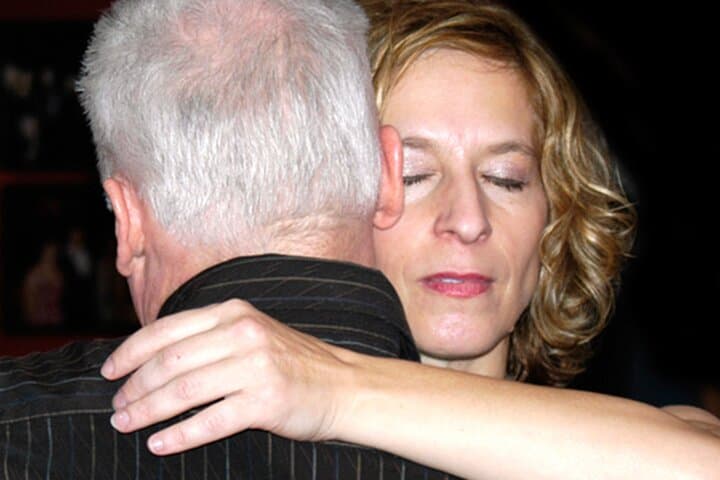
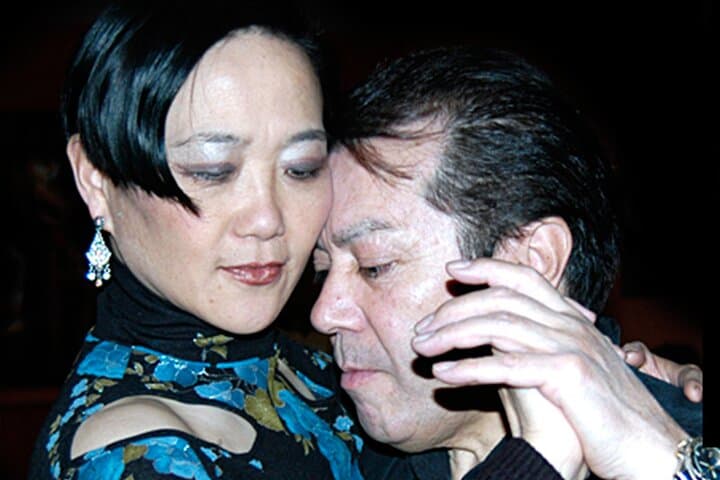
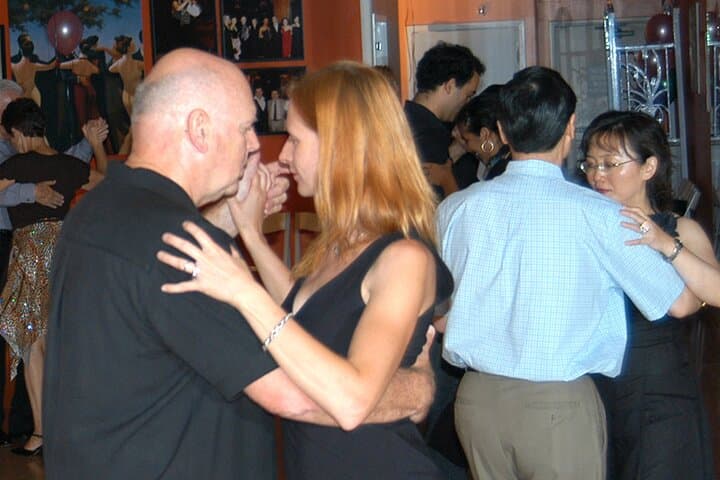
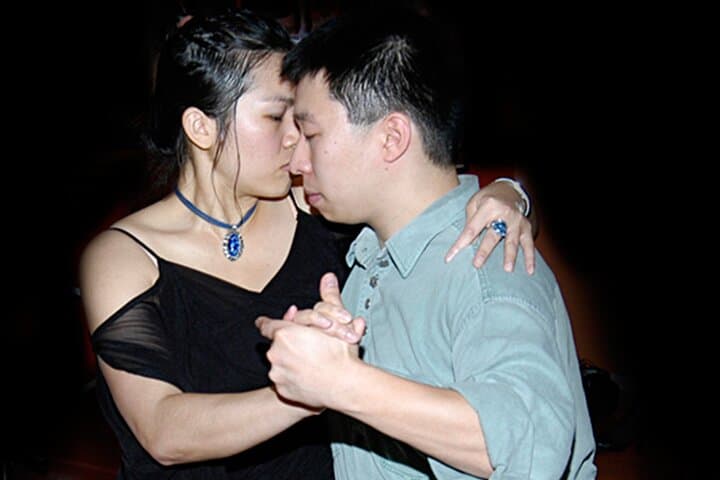
The studio door opens onto a low-ceilinged room in Chicago’s historic Dearborn Station; polished wood reflects the dim light and the city’s steady pulse seems to pause as music fills the air. You stand for a moment, feeling the room’s old-brick warmth and the slow insistence of a bandoneón line — this is the practical theatre of Argentine tango, refined into approachable steps for newcomers.
The studio door opens onto a low-ceilinged room in Chicago’s historic Dearborn Station; polished wood reflects the dim light and the city’s steady pulse seems to pause as music fills the air. You stand for a moment, feeling the room’s old-brick warmth and the slow insistence of a bandoneón line — this is the practical theatre of Argentine tango, refined into approachable steps for newcomers.
Tango arrived in Buenos Aires in the late 19th century and carried with it a language of posture, tension and improvisation. In Chicago’s Printers Row, that language is taught more simply: basic embrace, axis and the eight-count musical phrasing that lets two people read one another. The building itself, once a rail terminus, echoes the city’s industrial past and suits a dance born where migrants mixed rhythms and styles.
Expect clear instruction, technique drills, and guided partner practice over a two-hour private session. The teacher pares complex figures into repeatable components, then layers musical timing and lead-follow connection. Classes prioritize comfort and creative exploration over performance polish — you’ll leave with tangible basics: walking in embrace, a simple giro, and a sense of how to listen to tango phrasing.
Practical notes: wear flat-soled shoes with some slide, hydrate beforehand, and plan for brief standing practice rather than a cardio workout. Best times are evenings when the studio shifts into low light and live-feel music; mornings can be quieter for focused repetition. Whether you come alone or with a partner, the experience trades spectacle for usable skill and social opportunity — a compact, urban deep-dive into a dance that asks you to move as much with subtlety as with step.