THE ADVENTURE COLLECTIVE® · Independent discovery and booking for outdoor travel

Spend an hour with a seasoned instructor learning the embrace, walk, and musicality of Argentine tango in the heart of Buenos Aires. This private class blends history, technique, and local etiquette to get you dancing with confidence.
Spend an hour with a seasoned instructor learning the embrace, walk, and musicality of Argentine tango in the heart of Buenos Aires. This private class blends history, technique, and local etiquette to get you dancing with confidence.
The studio door opens onto a narrow San Telmo street; the air holds a faint scent of coffee and the distant hum of traffic. Inside, polished wood catches the light and the instructor’s voice shapes the tempo—an intimate hour where steps become sentences and posture becomes presence.
Verified experiences and guided adventures in the surrounding area.
Operated by Laurence (LOLO) · Buenos Aires, Buenos Aires
The studio door opens onto a narrow San Telmo street; the air holds a faint scent of coffee and the distant hum of traffic. Inside, polished wood catches the light and the instructor’s voice shapes the tempo—an intimate hour where steps become sentences and posture becomes presence.
Tango was born in the late 19th-century port neighborhoods of Buenos Aires, a hybrid of immigrant rhythms, African candombe, European polkas, and gaucho song. The city’s cobbled alleys and old cafés still keep that conversation alive; a private lesson offers a distilled version of that cultural exchange—history, music, and technique folded into a practical hour.
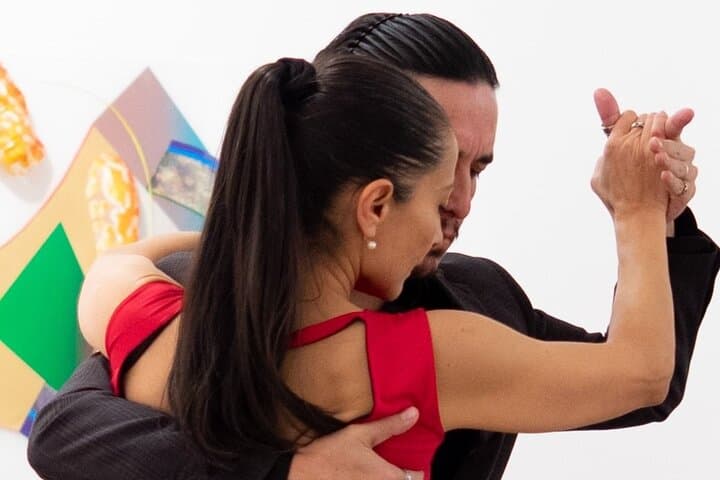
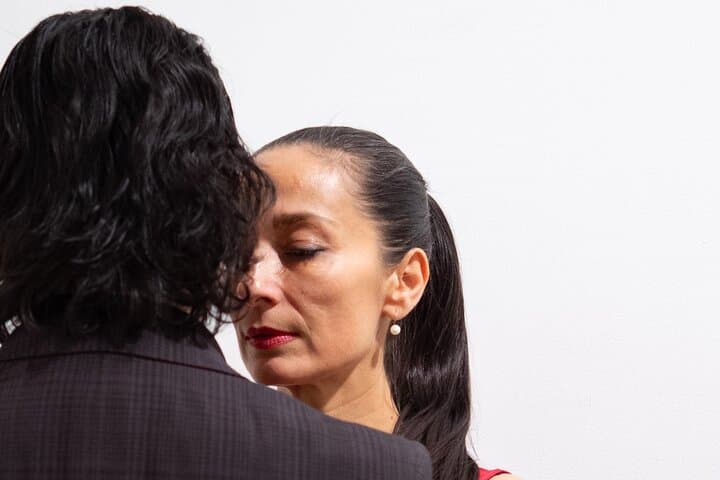
Expect a short history and warm-up, posture and embrace work, guided walking, core steps and musicality, then improvisation tools to move confidently with a partner. A seasoned instructor will emphasize connection and communication as much as footwork: tango is equal parts listening and leading.
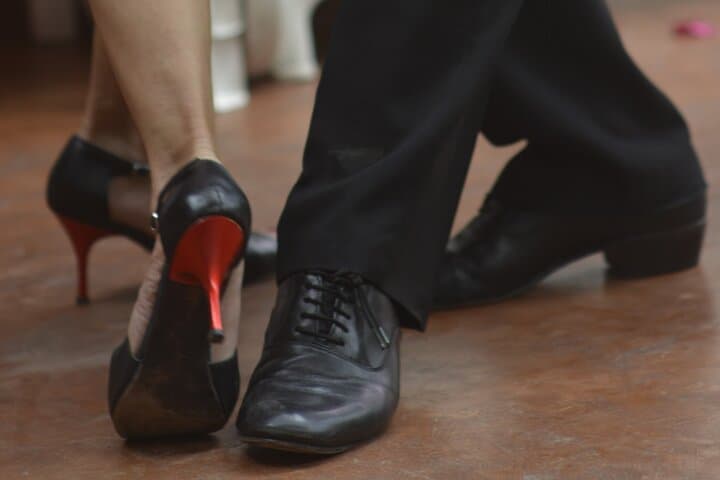
Practical guidance: wear low-heeled, flexible shoes and breathable layers; pick a time outside peak traffic to arrive relaxed. Bring water and a small towel—afterward, a short stroll through San Telmo or a coffee at a nearby café like Café Tortoni keeps the mood local and grounded. Be ready to learn basic terminology (milonga, abrazo, salida) and to practice respectful floor etiquette—don’t assume every social dance context is the same.
This class suits beginners through intermediate dancers who want a concentrated, culturally rooted session. Leave with clearer musical phrasing, cleaner walking, and an appreciation for tango’s social language—skills you can use at a milonga or simply to move with more intention.
moderate.
1 hour.
Suitable for most adults with light-to-moderate mobility; basic balance and endurance for standing practice help.
No—private lessons often accommodate solo students by pairing them with the instructor for partner practice, or you can bring your own partner.
No; the class is tailored to skill level from beginner to intermediate and focuses on fundamentals like walking, embrace, and musicality.
Most instructors teach in Spanish and English; confirm language preference at booking to ensure clear communication.
Yes—many students follow a lesson with a nearby milonga to practice; ask the instructor for local milonga etiquette and suggestions.
Tango emerged in late 1800s Buenos Aires port barrios as a fusion of African, European and criollo influences, evolving from salon dances and street music into a national cultural form.
Respect cultural heritage by supporting local teachers and venues; avoid filming dancers without permission and follow venue capacity rules to reduce wear on historic floors.
Laurence (LOLO) operates guided outdoor trips and adventures with an emphasis on safety, stewardship, and memorable experiences.
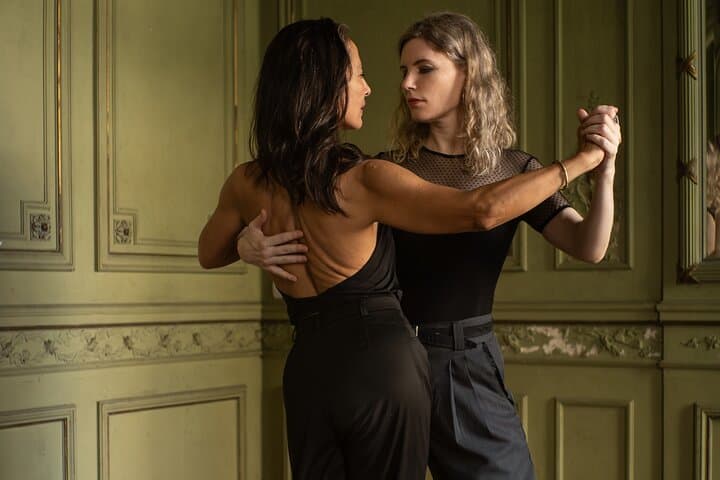
The studio door opens onto a narrow San Telmo street; the air holds a faint scent of coffee and the distant hum of traffic. Inside, polished wood catches the light and the instructor’s voice shapes the tempo—an intimate hour where steps become sentences and posture becomes presence.
The studio door opens onto a narrow San Telmo street; the air holds a faint scent of coffee and the distant hum of traffic. Inside, polished wood catches the light and the instructor’s voice shapes the tempo—an intimate hour where steps become sentences and posture becomes presence.
Tango was born in the late 19th-century port neighborhoods of Buenos Aires, a hybrid of immigrant rhythms, African candombe, European polkas, and gaucho song. The city’s cobbled alleys and old cafés still keep that conversation alive; a private lesson offers a distilled version of that cultural exchange—history, music, and technique folded into a practical hour.
Expect a short history and warm-up, posture and embrace work, guided walking, core steps and musicality, then improvisation tools to move confidently with a partner. A seasoned instructor will emphasize connection and communication as much as footwork: tango is equal parts listening and leading.
Practical guidance: wear low-heeled, flexible shoes and breathable layers; pick a time outside peak traffic to arrive relaxed. Bring water and a small towel—afterward, a short stroll through San Telmo or a coffee at a nearby café like Café Tortoni keeps the mood local and grounded. Be ready to learn basic terminology (milonga, abrazo, salida) and to practice respectful floor etiquette—don’t assume every social dance context is the same.
This class suits beginners through intermediate dancers who want a concentrated, culturally rooted session. Leave with clearer musical phrasing, cleaner walking, and an appreciation for tango’s social language—skills you can use at a milonga or simply to move with more intention.