THE ADVENTURE COLLECTIVE® · Independent discovery and booking for outdoor travel

Glide through Tamarindo’s mangrove maze on a private two-hour boat tour designed for intimate wildlife viewing. Expect close encounters with birds, crocodiles, and playful monkeys plus local insights from experienced guides.
Glide through Tamarindo’s mangrove maze on a private two-hour boat tour designed for intimate wildlife viewing. Expect close encounters with birds, crocodiles, and playful monkeys plus local insights from experienced guides.
You push off from a quiet dock and the engine sighs; the mangrove channel narrows and the world reduces to birdsong and the occasional splash.
Verified experiences and guided adventures in the surrounding area.
Operated by Discover Tamarindo · Tamarindo, Guanacaste
You push off from a quiet dock and the engine sighs; the mangrove channel narrows and the world reduces to birdsong and the occasional splash.
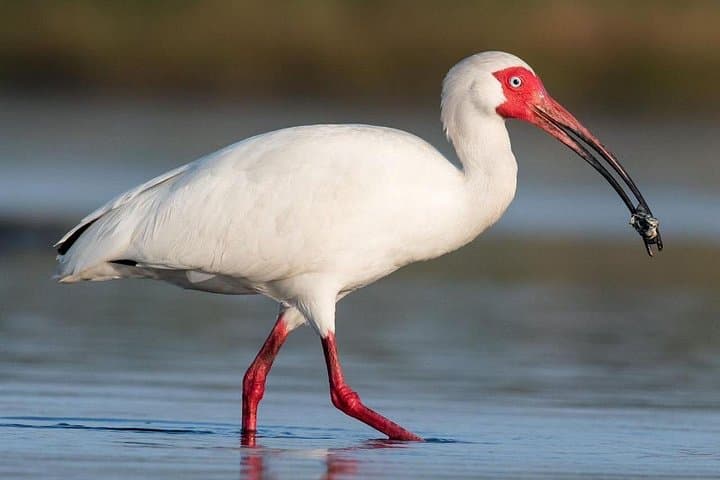
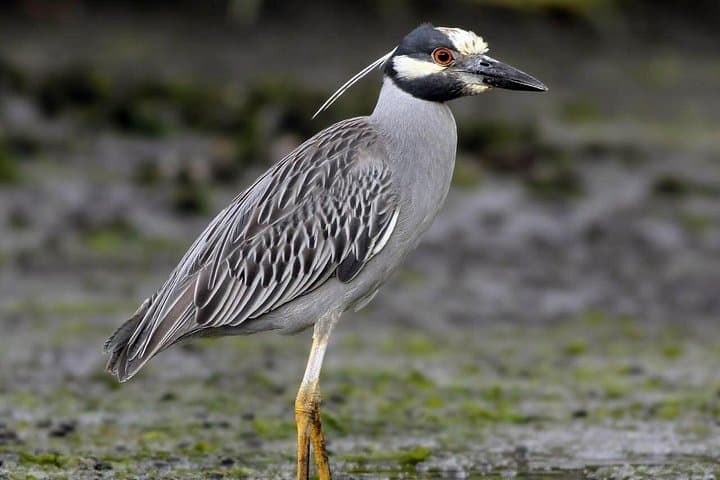
The Tamarindo estuary is a braided network of tidal creeks that carves through coastal mangroves on Costa Rica’s north Pacific shore. The trees’ stilted roots work like fingers, catching sediment and shaping the shoreline; tides breathe life into the flats and bring in fish that feed spoonbills, herons and the elusive mangrove hummingbird.
The area sits within the broader Guanacaste coastal ecosystem, where volcanic uplift and river silting created the sheltered lagoon and meandering channels you explore. Locally, communities have long fished and guided along these waterways—today’s tours build on that knowledge, pairing natural history with straightforward navigation.
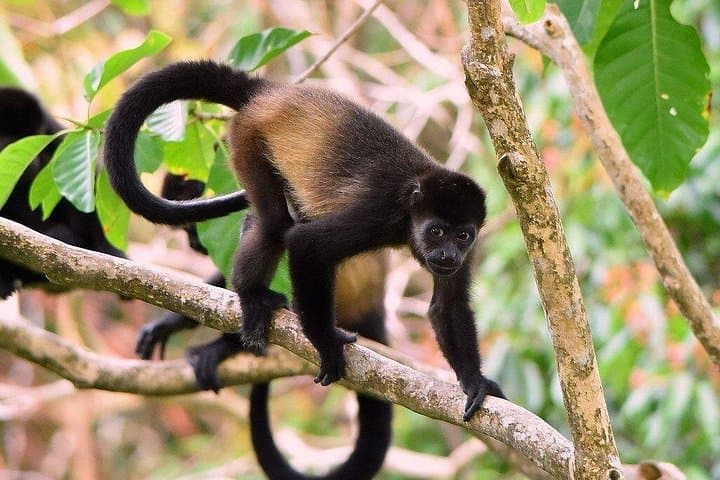
Expect close wildlife encounters: crocodiles lie motionless at mud edges, white-faced capuchins chatter in the canopy, and roseate spoonbills sweep shallow water for crustaceans. Guides read the estuary like a living map, altering pace to spotlight a nesting tern or a sleeping caiman.
Practicalities: tours run about two hours with private pickup available; boats are small and sheltered but exposed to sun and spray. Wear quick-dry clothing, reef-safe sunscreen, and flat, non-slip shoes. Bring binoculars and insect repellent; a light windbreaker helps for sunset runs. Motion-sickness medication is a good call for sensitive travelers.
For photographers, the soft golden hour separates shapes and makes water reflective; for families, the intimate pace invites questions and close views. This is a short, low-effort way to read Costa Rica’s coastline up close—quiet, wildlife-rich, and easily tailored by an experienced local guide.
easy.
2 hours.
Suitable for most fitness levels—minimal walking, mostly seated; basic mobility needed to step into a small boat.
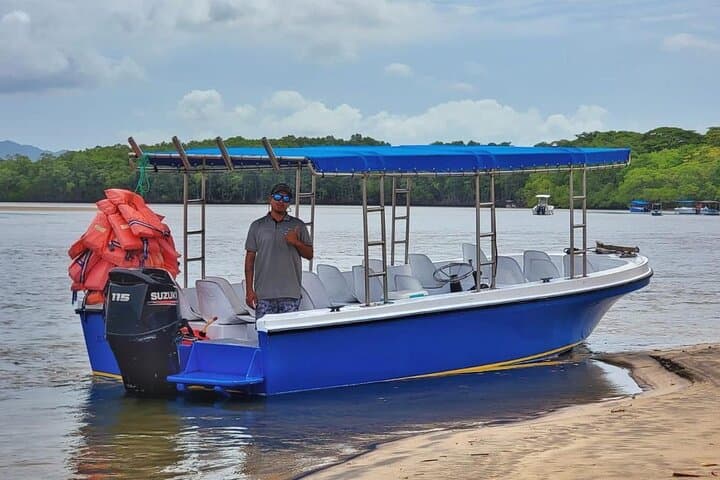
This is a private boat for your booking—group size is limited to the vessel’s capacity and offers a tailored experience.
Yes—families are welcome; infants must sit on an adult’s lap and the guide can adapt pace and content for kids.
Crocodiles are common along the estuary edges; sightings are frequent but animals typically keep distance from boats if not provoked.
Private transportation is included in the tour package—confirm pickup point during booking and allow extra time for rural roads.
Local fishing communities have navigated these channels for generations; modern ecotourism here builds on traditional knowledge of tides and species behavior.
Mangroves are protected for their role in coastline stabilization and as nursery habitat; respectful boating—no feeding or loud disturbance—helps preserve wildlife and local fisheries.
Discover Tamarindo operates guided outdoor trips and adventures with an emphasis on safety, stewardship, and memorable experiences.
You push off from a quiet dock and the engine sighs; the mangrove channel narrows and the world reduces to birdsong and the occasional splash.
You push off from a quiet dock and the engine sighs; the mangrove channel narrows and the world reduces to birdsong and the occasional splash.
The Tamarindo estuary is a braided network of tidal creeks that carves through coastal mangroves on Costa Rica’s north Pacific shore. The trees’ stilted roots work like fingers, catching sediment and shaping the shoreline; tides breathe life into the flats and bring in fish that feed spoonbills, herons and the elusive mangrove hummingbird.
The area sits within the broader Guanacaste coastal ecosystem, where volcanic uplift and river silting created the sheltered lagoon and meandering channels you explore. Locally, communities have long fished and guided along these waterways—today’s tours build on that knowledge, pairing natural history with straightforward navigation.
Expect close wildlife encounters: crocodiles lie motionless at mud edges, white-faced capuchins chatter in the canopy, and roseate spoonbills sweep shallow water for crustaceans. Guides read the estuary like a living map, altering pace to spotlight a nesting tern or a sleeping caiman.
Practicalities: tours run about two hours with private pickup available; boats are small and sheltered but exposed to sun and spray. Wear quick-dry clothing, reef-safe sunscreen, and flat, non-slip shoes. Bring binoculars and insect repellent; a light windbreaker helps for sunset runs. Motion-sickness medication is a good call for sensitive travelers.
For photographers, the soft golden hour separates shapes and makes water reflective; for families, the intimate pace invites questions and close views. This is a short, low-effort way to read Costa Rica’s coastline up close—quiet, wildlife-rich, and easily tailored by an experienced local guide.