THE ADVENTURE COLLECTIVE® · Independent discovery and booking for outdoor travel

Explore Takayama with a government-licensed private guide on a customizable six-hour walking tour that covers Sanmachi Street, folk museums, shrine halls and the Higashiyama temple course. Perfect for travelers who want cultural depth, local stories and practical navigation through a compact historic town.
Explore Takayama with a government-licensed private guide on a customizable six-hour walking tour that covers Sanmachi Street, folk museums, shrine halls and the Higashiyama temple course. Perfect for travelers who want cultural depth, local stories and practical navigation through a compact historic town.
Mornings in Takayama begin with a thin river mist and the clack of wooden shutters—Sanmachi Street’s low timber shops blink awake as the Miyagawa River dares you to pause and taste a freshly grilled croquette.
Verified experiences and guided adventures in the surrounding area.
Operated by Japan Guide Agency · Takayama, Gifu Prefecture
Mornings in Takayama begin with a thin river mist and the clack of wooden shutters—Sanmachi Street’s low timber shops blink awake as the Miyagawa River dares you to pause and taste a freshly grilled croquette.
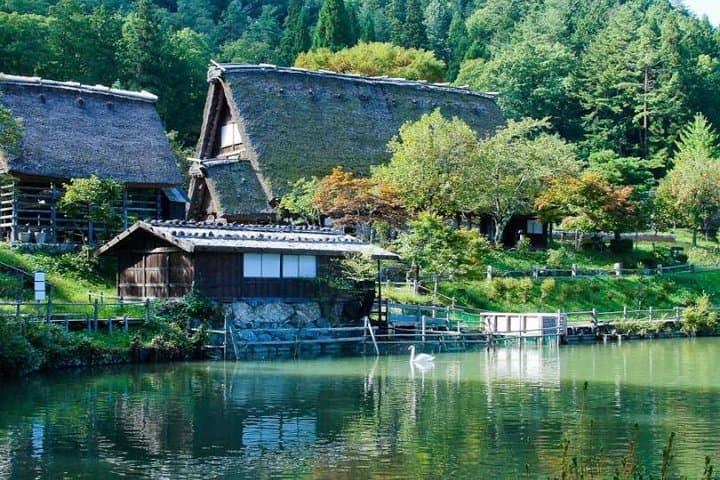
The city’s street plan dates to the 17th century when the Tokugawa shogunate managed Hida’s rich timber reserves. Meiji-era merchant houses and the massive rice storehouses speak to a commerce shaped by mountain logging and sake brewing; nearby Shirakawago’s gassho-zukuri roofs hint at the harsher winter that shaped local architecture. The surrounding folds of the Northern Japanese Alps give the town its seasonality—spring festivals bloom into autumn processions that draw crowds to Sakurayama Hachimangu and its ornate yatai floats.
A government-licensed guide customizes a six-hour route from markets, folk museums and shrine precincts to quiet temple lanes and the 3.5 km Higashiyama walking course. Expect paved streets, short uphill stretches to viewpoints in Shiroyama Park, and flat museum floors—most core sites are accessible, but side alleys can be uneven.
Practical notes: plan your visit outside the spring/autumn festival dates if you want calm, arrive early for the Miyagawa morning market, and carry small bills for street snacks and museum admissions. Comfortable walking shoes, a light rain layer, and a daypack with water will keep you moving. Guides handle logistics and explain crystalline local history, so you spend your day learning details ordinary maps miss—craft, sake, castle remnants and the living rhythms of a mountain town.
easy.
6 hours.
Light walking ability; suitable for most fitness levels though expect several hours on foot and short uphill sections
Yes—choose 3–4 must-see sites from the provided list and the licensed guide will tailor the six-hour route to your interests.
Yes—the tour uses National Government Licensed Guide Interpreters who are qualified and often multilingual; request language needs when booking.
Many main sites and some streets are wheelchair accessible, but older alleys and festival float halls may have steps—discuss mobility needs in advance.
Meeting is on foot within a designated area; Sanmachi Street and the station are a short walk of about five minutes, but confirm the exact pickup point when booking.
Takayama grew under direct Tokugawa control because of the Hida region’s valuable timber; its Jinya served as a regional government office during the Edo period.
Tourism pressures during festival seasons have led local initiatives to manage crowds and protect historic wooden streets—pack out waste, avoid touching artifacts and follow guide instructions to minimize impact.
Japan Guide Agency operates guided outdoor trips and adventures with an emphasis on safety, stewardship, and memorable experiences.
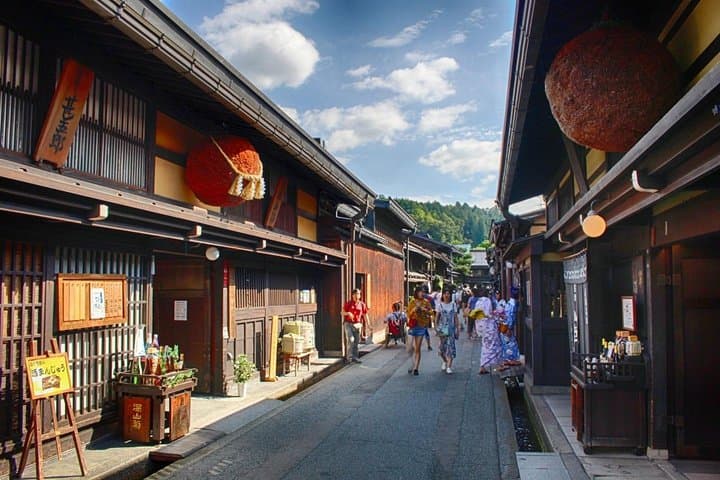
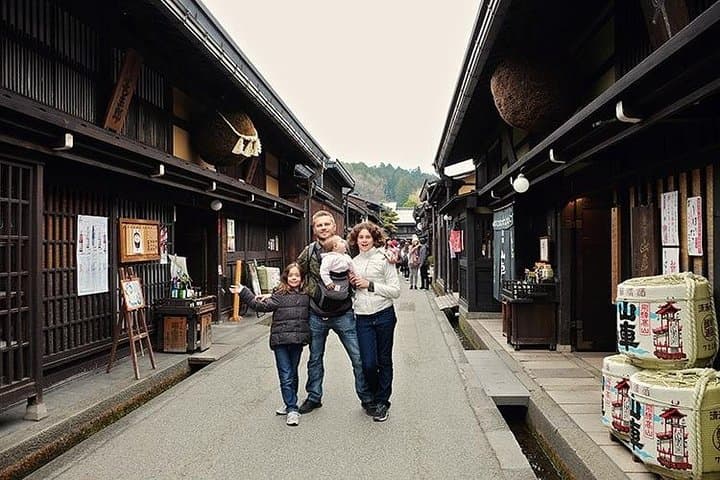
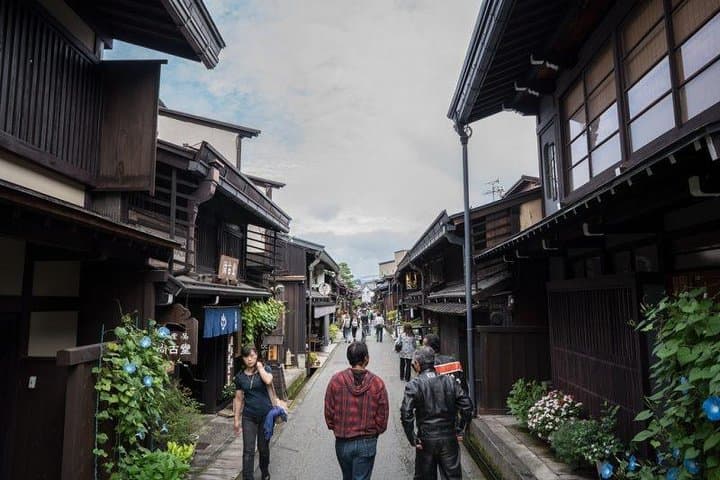
Mornings in Takayama begin with a thin river mist and the clack of wooden shutters—Sanmachi Street’s low timber shops blink awake as the Miyagawa River dares you to pause and taste a freshly grilled croquette.
Mornings in Takayama begin with a thin river mist and the clack of wooden shutters—Sanmachi Street’s low timber shops blink awake as the Miyagawa River dares you to pause and taste a freshly grilled croquette.
The city’s street plan dates to the 17th century when the Tokugawa shogunate managed Hida’s rich timber reserves. Meiji-era merchant houses and the massive rice storehouses speak to a commerce shaped by mountain logging and sake brewing; nearby Shirakawago’s gassho-zukuri roofs hint at the harsher winter that shaped local architecture. The surrounding folds of the Northern Japanese Alps give the town its seasonality—spring festivals bloom into autumn processions that draw crowds to Sakurayama Hachimangu and its ornate yatai floats.
A government-licensed guide customizes a six-hour route from markets, folk museums and shrine precincts to quiet temple lanes and the 3.5 km Higashiyama walking course. Expect paved streets, short uphill stretches to viewpoints in Shiroyama Park, and flat museum floors—most core sites are accessible, but side alleys can be uneven.
Practical notes: plan your visit outside the spring/autumn festival dates if you want calm, arrive early for the Miyagawa morning market, and carry small bills for street snacks and museum admissions. Comfortable walking shoes, a light rain layer, and a daypack with water will keep you moving. Guides handle logistics and explain crystalline local history, so you spend your day learning details ordinary maps miss—craft, sake, castle remnants and the living rhythms of a mountain town.