THE ADVENTURE COLLECTIVE® · Independent discovery and booking for outdoor travel

A private, full-day drive from Jaipur to Agra that places you at the gates of the Taj Mahal and Agra Fort. This guided excursion balances timed monument visits with practical travel logistics for a single-day cultural immersion.
A private, full-day drive from Jaipur to Agra that places you at the gates of the Taj Mahal and Agra Fort. This guided excursion balances timed monument visits with practical travel logistics for a single-day cultural immersion.
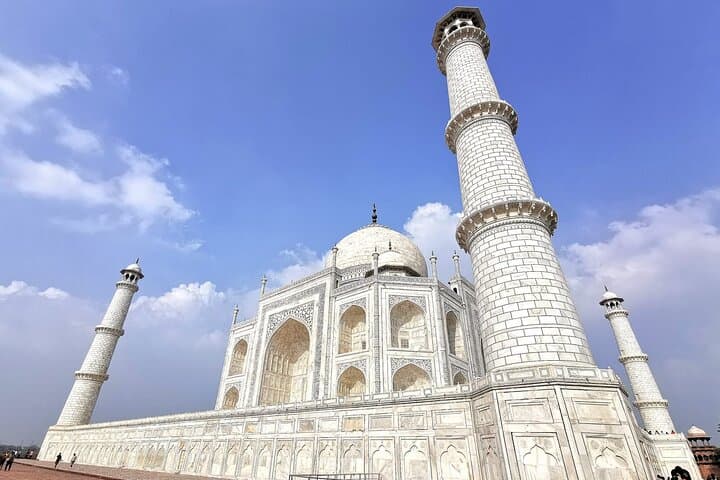
You arrive before the marble catches the full sun: a pale monument sitting beside the Yamuna, its white surface shifting from pearly blue to warm cream as the day wakes. The drive from Jaipur threads through the plains—farmland, small towns, and the occasional spice-scented market—until Agra unfurls at the edge of the river.
Verified experiences and guided adventures in the surrounding area.
Operated by Indian Experience · Agra, Uttar Pradesh
You arrive before the marble catches the full sun: a pale monument sitting beside the Yamuna, its white surface shifting from pearly blue to warm cream as the day wakes. The drive from Jaipur threads through the plains—farmland, small towns, and the occasional spice-scented market—until Agra unfurls at the edge of the river.
Agra grew into prominence under the Mughals and holds three UNESCO sites: the Taj Mahal, Agra Fort, and nearby Fatehpur Sikri. The Taj itself was commissioned by Shah Jahan (1631–1648) as a mausoleum for Mumtaz Mahal; its pietra dura inlay and symmetrical gardens reflect Mughal ideals of order and paradise. Geologically, the monument sits on alluvial plains beside the Yamuna, with surrounding gardens designed as visual buffers and sightlines.
The private, full-day itinerary typically allows two hours at the Taj and an hour at Agra Fort, with the balance for travel in an air-conditioned car. Expect flat, mostly paved walking with steps and uneven stone inside the fort; minimal elevation gain but several stair flights.
Practical notes: start early to beat heat and crowds, bring sun protection, and leave large bags at your hotel—security checks at monuments are strict. Tickets and admissions are usually separate from vehicle/guide charges; confirm what's included when you book. Photography is excellent from Mehtab Bagh across the river for a framed Taj at sunset.
This trip suits travelers looking for concentrated cultural history in an accessible day—preparedness, timing, and respect for site regulations make it smooth and memorable.
easy.
8 hours.
Light walking ability required; able to handle several short stair sections and being on your feet for 2–3 hours total.
Expect roughly 240 km (about 150 miles) and approximately 4–5 hours one-way by car depending on traffic; the tour schedules travel time into the day.
Most operator itineraries list monument admission as not included—confirm at booking and be prepared to pay entry fees on-site or have the guide handle purchase.
Early morning at sunrise yields softer light and fewer crowds; late afternoon gives warmer tones but can be busier.
Drones are restricted over the monument and large tripods are often not permitted inside the complex—check local rules and respect security signage.
Agra rose to prominence as a Mughal capital; Shah Jahan’s 17th-century building program produced the Taj Mahal and much of the palace architecture still visible today.
Air pollution and riverbank erosion have prompted ongoing conservation measures; visitors are asked to minimise litter and follow site guidelines to protect the marble and gardens.
Indian Experience operates guided outdoor trips and adventures with an emphasis on safety, stewardship, and memorable experiences.

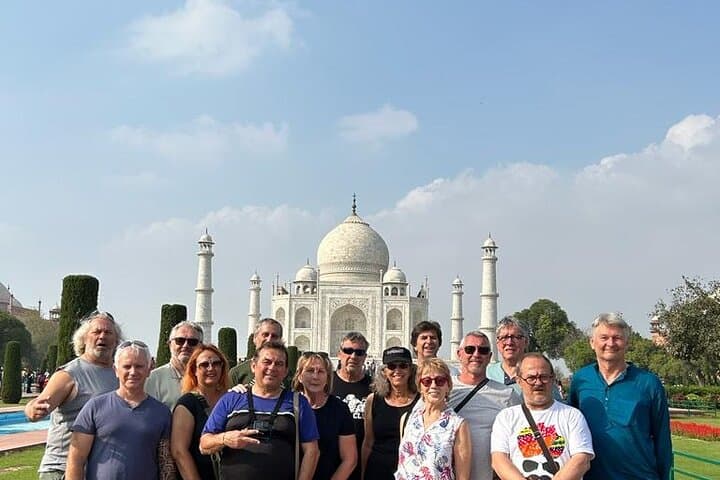
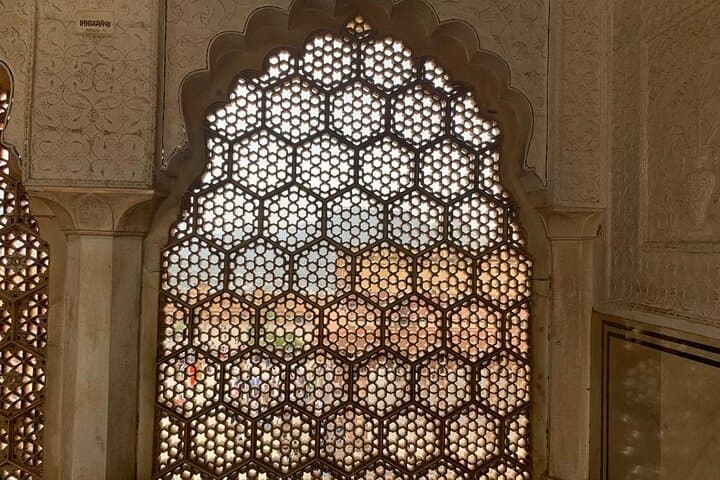
You arrive before the marble catches the full sun: a pale monument sitting beside the Yamuna, its white surface shifting from pearly blue to warm cream as the day wakes. The drive from Jaipur threads through the plains—farmland, small towns, and the occasional spice-scented market—until Agra unfurls at the edge of the river.
You arrive before the marble catches the full sun: a pale monument sitting beside the Yamuna, its white surface shifting from pearly blue to warm cream as the day wakes. The drive from Jaipur threads through the plains—farmland, small towns, and the occasional spice-scented market—until Agra unfurls at the edge of the river.
Agra grew into prominence under the Mughals and holds three UNESCO sites: the Taj Mahal, Agra Fort, and nearby Fatehpur Sikri. The Taj itself was commissioned by Shah Jahan (1631–1648) as a mausoleum for Mumtaz Mahal; its pietra dura inlay and symmetrical gardens reflect Mughal ideals of order and paradise. Geologically, the monument sits on alluvial plains beside the Yamuna, with surrounding gardens designed as visual buffers and sightlines.
The private, full-day itinerary typically allows two hours at the Taj and an hour at Agra Fort, with the balance for travel in an air-conditioned car. Expect flat, mostly paved walking with steps and uneven stone inside the fort; minimal elevation gain but several stair flights.
Practical notes: start early to beat heat and crowds, bring sun protection, and leave large bags at your hotel—security checks at monuments are strict. Tickets and admissions are usually separate from vehicle/guide charges; confirm what's included when you book. Photography is excellent from Mehtab Bagh across the river for a framed Taj at sunset.
This trip suits travelers looking for concentrated cultural history in an accessible day—preparedness, timing, and respect for site regulations make it smooth and memorable.