THE ADVENTURE COLLECTIVE® · Independent discovery and booking for outdoor travel

A private day trip from Delhi to the Taj Mahal and Agra Fort with a local guide and lunch. Spend the morning with the marble mausoleum’s shifting light and the afternoon exploring Mughal history across the Yamuna.
A private day trip from Delhi to the Taj Mahal and Agra Fort with a local guide and lunch. Spend the morning with the marble mausoleum’s shifting light and the afternoon exploring Mughal history across the Yamuna.
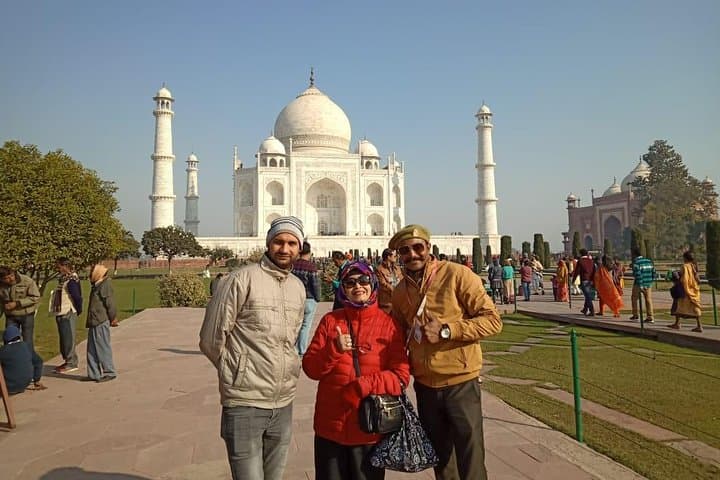
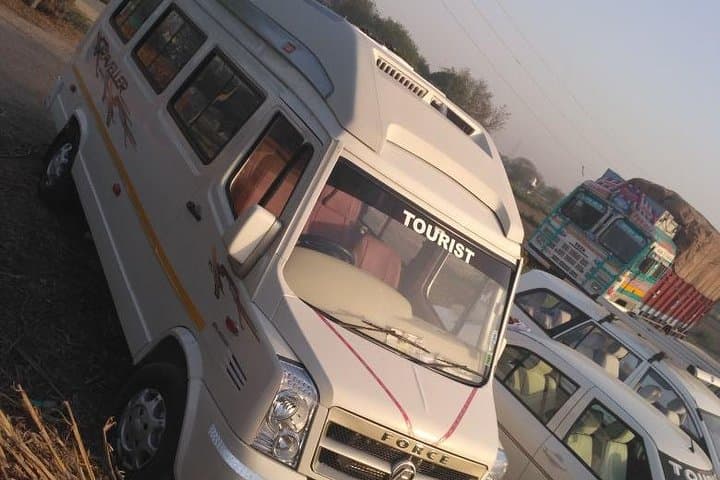
You arrive at first light, the white silhouette of the Taj Mahal rising against a pale sky while the Yamuna murmurs alongside the complex. A private car from Delhi eases into Agra as your guide unfolds Mughal stories—shah jahan’s grief, craftsmen from across the subcontinent—and points out the inlaid pietra dura that catches the morning sun.
Verified experiences and guided adventures in the surrounding area.
Operated by Ajay Day Tours · Agra, Uttar Pradesh
You arrive at first light, the white silhouette of the Taj Mahal rising against a pale sky while the Yamuna murmurs alongside the complex. A private car from Delhi eases into Agra as your guide unfolds Mughal stories—shah jahan’s grief, craftsmen from across the subcontinent—and points out the inlaid pietra dura that catches the morning sun.
The Taj Mahal, built from 1632 over two decades, is a study in marble geology and Mughal ambition: Makrana marble quarried from Rajasthan reflects changing light, while the red-sandstone Agra Fort nearby marks the pragmatic military aesthetic of earlier Mughal architecture. Together they map a time when courtly patronage, artisan networks and riverine trade shaped north India.
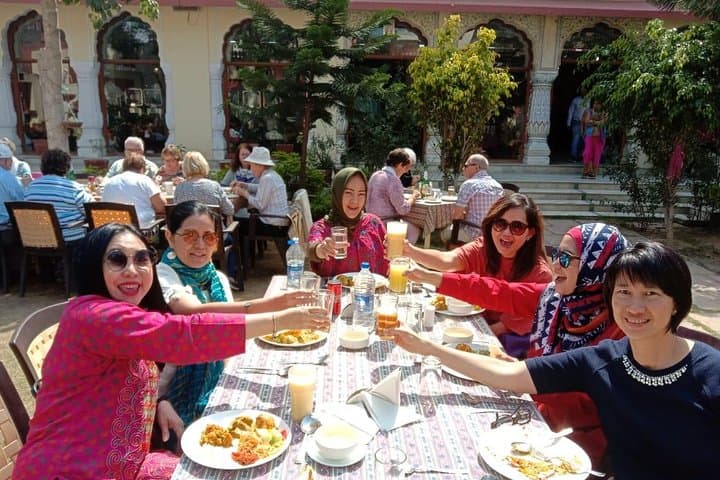
Expect a paced day: roughly 3–4 hours each way by car from central Delhi, two hours at the Taj and about an hour at Agra Fort (itinerary dependent). The private format means flexible photo stops, an included lunch at a local restaurant, and a guide to explain inscriptions, symmetry and conservation issues. Practical notes: the Taj is closed Fridays, security checks are strict, and monument access can be limited during peak crowds—start early for softer light and fewer people.
Aim for breathable clothing, a camera with extra batteries, and small bills for tips. This trip pairs clear historical focus with straightforward logistics—ideal for travelers who want a focused cultural day without managing trains, transfers or large-group timing.
easy.
10–12 hours.
Suitable for most travelers who can manage moderate walking and short stair sections; minimal stamina required.
Sometimes—this product lists monument entry fees and lunch as conditional inclusions; confirm at booking whether admissions are covered or payable locally.
Expect about 3–4 hours each way depending on traffic and route (Yamuna Expressway is fastest under normal conditions).
Partial accessibility is available: paths and many areas are reachable but some sections have steps; this operator notes wheelchair-accessible transport—confirm specifics when booking.
Photography is permitted in most outdoor areas; inside the main tomb photography may be restricted—follow onsite rules and staff directions.
The Taj Mahal was commissioned by Mughal emperor Shah Jahan in 1632 as a mausoleum for Mumtaz Mahal; nearby Agra Fort was the Mughal seat before the capital moved to Delhi.
The Archaeological Survey of India manages conservation; air pollution and visitor pressure are ongoing concerns, so follow guidelines to minimize impact.
Ajay Day Tours operates guided outdoor trips and adventures with an emphasis on safety, stewardship, and memorable experiences.

You arrive at first light, the white silhouette of the Taj Mahal rising against a pale sky while the Yamuna murmurs alongside the complex. A private car from Delhi eases into Agra as your guide unfolds Mughal stories—shah jahan’s grief, craftsmen from across the subcontinent—and points out the inlaid pietra dura that catches the morning sun.
You arrive at first light, the white silhouette of the Taj Mahal rising against a pale sky while the Yamuna murmurs alongside the complex. A private car from Delhi eases into Agra as your guide unfolds Mughal stories—shah jahan’s grief, craftsmen from across the subcontinent—and points out the inlaid pietra dura that catches the morning sun.
The Taj Mahal, built from 1632 over two decades, is a study in marble geology and Mughal ambition: Makrana marble quarried from Rajasthan reflects changing light, while the red-sandstone Agra Fort nearby marks the pragmatic military aesthetic of earlier Mughal architecture. Together they map a time when courtly patronage, artisan networks and riverine trade shaped north India.
Expect a paced day: roughly 3–4 hours each way by car from central Delhi, two hours at the Taj and about an hour at Agra Fort (itinerary dependent). The private format means flexible photo stops, an included lunch at a local restaurant, and a guide to explain inscriptions, symmetry and conservation issues. Practical notes: the Taj is closed Fridays, security checks are strict, and monument access can be limited during peak crowds—start early for softer light and fewer people.
Aim for breathable clothing, a camera with extra batteries, and small bills for tips. This trip pairs clear historical focus with straightforward logistics—ideal for travelers who want a focused cultural day without managing trains, transfers or large-group timing.