THE ADVENTURE COLLECTIVE® · Independent discovery and booking for outdoor travel

See Agra’s crown jewel and its imperial companion in a single day. This private car tour from Delhi covers the Taj Mahal, Agra Fort, local markets and lunch with round-trip transport and a dedicated guide.
See Agra’s crown jewel and its imperial companion in a single day. This private car tour from Delhi covers the Taj Mahal, Agra Fort, local markets and lunch with round-trip transport and a dedicated guide.
You pull away from Delhi before dawn, headlights slicing the flat highway while the Yamuna waits like a silent promise on the far horizon. By mid-morning the Taj Mahal appears through a frame of cypress and red sandstone: an ivory silhouette catching light, its reflection sketching a second monument in the long pool.
Verified experiences and guided adventures in the surrounding area.
Operated by Trek India Tours · Agra, Uttar Pradesh
You pull away from Delhi before dawn, headlights slicing the flat highway while the Yamuna waits like a silent promise on the far horizon. By mid-morning the Taj Mahal appears through a frame of cypress and red sandstone: an ivory silhouette catching light, its reflection sketching a second monument in the long pool.
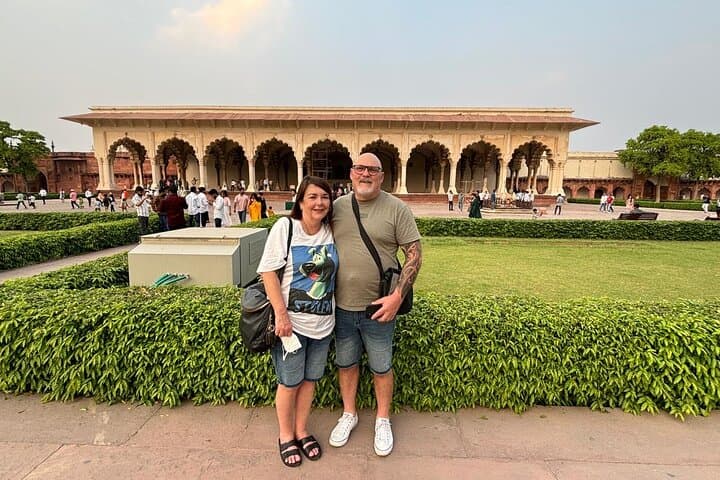
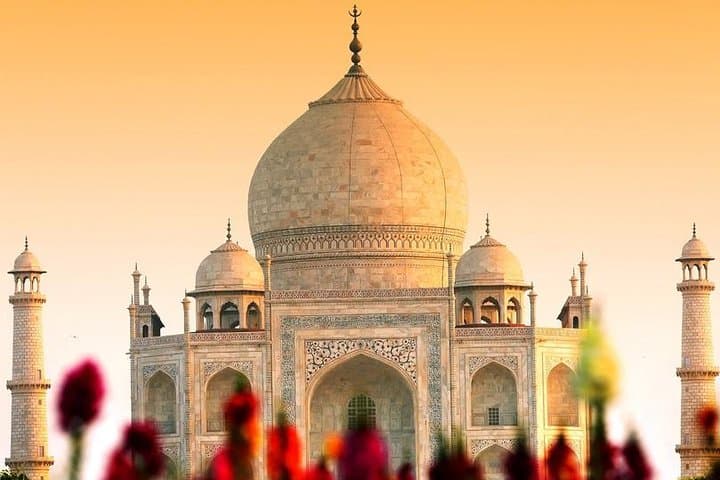
Built by Shah Jahan beginning in 1632, the Taj is the culmination of Mughal architecture—white Makrana marble carved with calligraphy, floral inlay, and perfectly measured symmetry. Nearby Agra Fort, once the imperial residence, offers a rougher, red-stone counterpoint: battlements, courtyards and views that explain why the Mughals held this bend of the Yamuna.
Geology here is subtle — alluvial plains that made the riverbank hospitable for settlement, with marble imported from distant Rajasthan to create the mausoleum’s luminous surface. Culture is immediate: vendors at the fort gate selling petha squares, tailors in narrow lanes, and the low chatter of Hindi and Urdu in markets.
Practicalities: expect a 3‑hour drive each way from Delhi, a full day on your feet and security screening at monuments. Morning light is best for photos and cooler temperatures; bring sun protection, comfortable shoes, and a small daypack. If you want a quieter perspective, ask your guide to include Mehtab Bagh across the river for sunset views. Travel with copies of entry confirmations and allow time for local traffic returning to Delhi.
easy.
10 hours.
Light fitness required—comfortable walking for several hours and the ability to climb short stair sections at Agra Fort.
Some tour options include monument entrances; confirm at booking. The itinerary notes entrances are included if the corresponding option is chosen.
Pickup and drop-off are offered from locations in Delhi, Gurugram or Noida—confirm your exact pickup point when you book.
The tour lists wheelchair-accessible transportation and sites, but access within historic sites can be limited—advise the operator of mobility needs ahead of time.
Yes—many private drivers allow a short market stop or detour to local sights like Itmad-ud-Daulah if time permits; confirm your preferences with the guide early in the day.
Agra was a Mughal capital; Shah Jahan’s 17th-century projects—Taj Mahal and Agra Fort—reflect imperial wealth and shifting court politics.
Pollution and river silt threaten the Taj’s marble; local regulations limit polluting vehicles near the complex and conservation groups monitor cleaning and restoration efforts.
Trek India Tours operates guided outdoor trips and adventures with an emphasis on safety, stewardship, and memorable experiences.
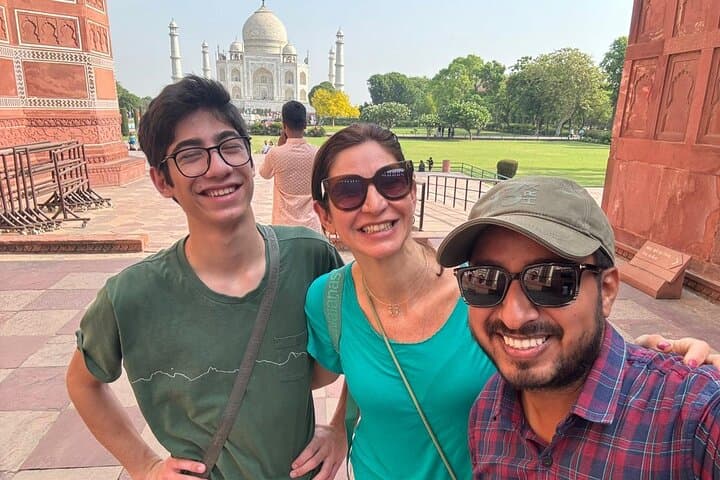
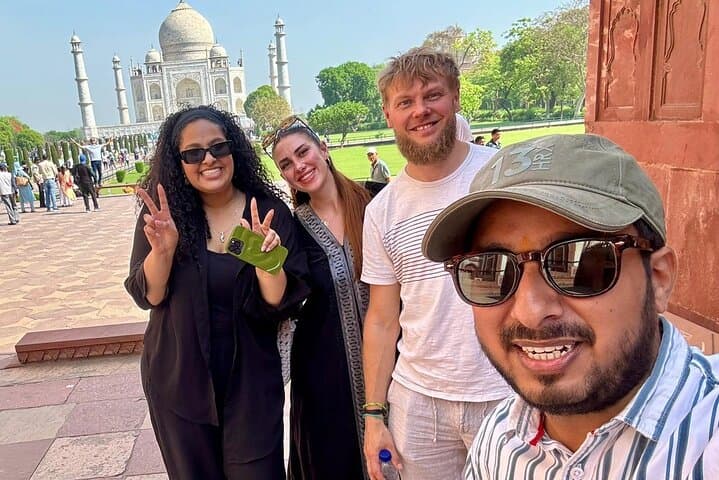
You pull away from Delhi before dawn, headlights slicing the flat highway while the Yamuna waits like a silent promise on the far horizon. By mid-morning the Taj Mahal appears through a frame of cypress and red sandstone: an ivory silhouette catching light, its reflection sketching a second monument in the long pool.
You pull away from Delhi before dawn, headlights slicing the flat highway while the Yamuna waits like a silent promise on the far horizon. By mid-morning the Taj Mahal appears through a frame of cypress and red sandstone: an ivory silhouette catching light, its reflection sketching a second monument in the long pool.
Built by Shah Jahan beginning in 1632, the Taj is the culmination of Mughal architecture—white Makrana marble carved with calligraphy, floral inlay, and perfectly measured symmetry. Nearby Agra Fort, once the imperial residence, offers a rougher, red-stone counterpoint: battlements, courtyards and views that explain why the Mughals held this bend of the Yamuna.
Geology here is subtle — alluvial plains that made the riverbank hospitable for settlement, with marble imported from distant Rajasthan to create the mausoleum’s luminous surface. Culture is immediate: vendors at the fort gate selling petha squares, tailors in narrow lanes, and the low chatter of Hindi and Urdu in markets.
Practicalities: expect a 3‑hour drive each way from Delhi, a full day on your feet and security screening at monuments. Morning light is best for photos and cooler temperatures; bring sun protection, comfortable shoes, and a small daypack. If you want a quieter perspective, ask your guide to include Mehtab Bagh across the river for sunset views. Travel with copies of entry confirmations and allow time for local traffic returning to Delhi.