THE ADVENTURE COLLECTIVE® · Independent discovery and booking for outdoor travel

Make a long but seamless day of it: a private car whisks you from Delhi to Agra, where the Taj Mahal and Agra Fort occupy hours of awe and study. This guide lays out what to expect — timing, terrain, and practical tips for a smooth, full-day cultural excursion.
Make a long but seamless day of it: a private car whisks you from Delhi to Agra, where the Taj Mahal and Agra Fort occupy hours of awe and study. This guide lays out what to expect — timing, terrain, and practical tips for a smooth, full-day cultural excursion.
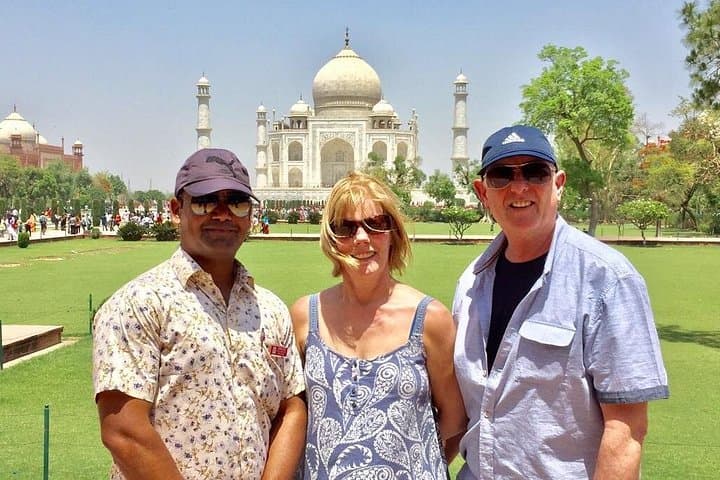
You slide onto the Yamuna Expressway before sunrise, the city shrinking behind you while an ivory dome waits across the river. By the time the car threads into Agra, the Taj Mahal towers into view — its white marble catching early light and the dust of a working city.
Verified experiences and guided adventures in the surrounding area.
Operated by Saniya Tour & Travels · Agra, Uttar Pradesh
You slide onto the Yamuna Expressway before sunrise, the city shrinking behind you while an ivory dome waits across the river. By the time the car threads into Agra, the Taj Mahal towers into view — its white marble catching early light and the dust of a working city.
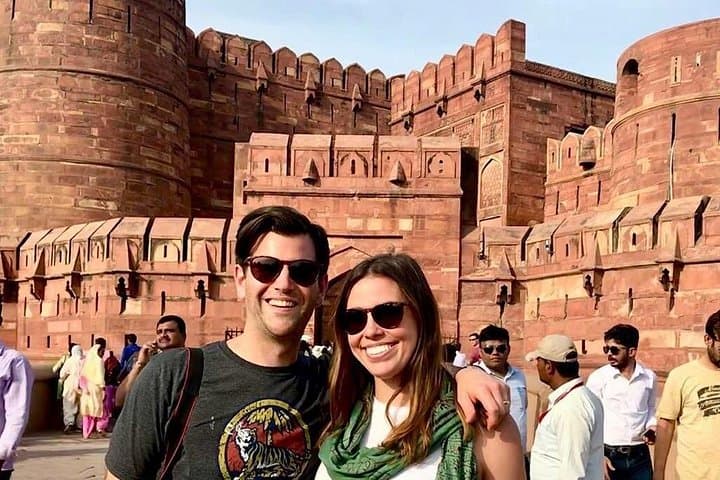
The Taj was built in the 17th century by Mughal emperor Shah Jahan as a mausoleum for Mumtaz Mahal; nearby Agra Fort, a 16th-century red sandstone stronghold, frames the same riverine landscape that made this stretch of the Ganges plain strategically valuable. Geologically the region sits on the Indo-Gangetic alluvial plain; the marble came from Makrana, carried and carved into pietra dura inlays that still draw the eye.
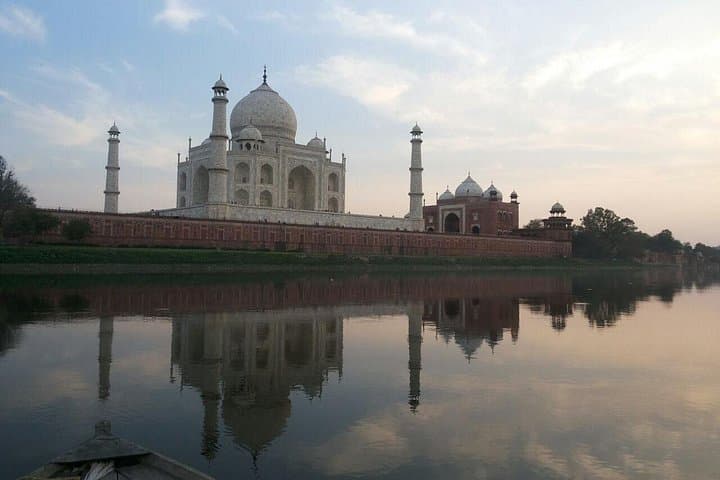
Culturally, Agra is more than monuments — lanes of craftsmen, inlay workshops, and riverside gardens give texture to the visit. Mehtab Bagh across the Yamuna offers a quieter perspective at sunset, while the Baby Taj (Itmad-ud-Daulah) shows early Mughal domestic architecture.
Practical guidance: expect a 3–3.5 hour drive each way from Delhi via the expressway, and plan for a 9–14 hour day with 2–3 hours at the Taj and about 1–1.5 hours at Agra Fort. Security checks and bag restrictions are strict; bring ID, leave large tripods or backpacks at the car, and wear comfortable shoes for walking on marble and packed earth. Aim for early morning light to avoid heat and crowds; sunscreen, a hat, and water are essential even in cooler months. The tour includes lunch and bottled water, but carry small change for market purchases and tips.
easy.
9–14 hours.
Basic fitness for several hours of walking and standing; comfortable for most travelers who can manage stairs and short walks.
Yes — this private tour includes admission to the Taj Mahal and Agra Fort as listed in the itinerary.
Expect roughly 3–3.5 hours each way via the Yamuna Expressway, depending on traffic and your pickup location in Delhi/NCR.
The operator lists wheelchair accessibility; however, some areas within the monuments have steps and uneven surfaces — check specific accessibility needs in advance.
Photography is allowed in most outdoor areas, but tripods, drones, and flash near sensitive zones may be restricted — follow onsite rules and security guidance.
The Taj Mahal was completed in the mid-17th century under Shah Jahan; Agra Fort predates it and served as the Mughal imperial residence for centuries.
Ongoing conservation addresses marble discoloration and air pollution impacts; visitors help by following rules, avoiding litter, and supporting regulated local guides.
Saniya Tour & Travels operates guided outdoor trips and adventures with an emphasis on safety, stewardship, and memorable experiences.

You slide onto the Yamuna Expressway before sunrise, the city shrinking behind you while an ivory dome waits across the river. By the time the car threads into Agra, the Taj Mahal towers into view — its white marble catching early light and the dust of a working city.
You slide onto the Yamuna Expressway before sunrise, the city shrinking behind you while an ivory dome waits across the river. By the time the car threads into Agra, the Taj Mahal towers into view — its white marble catching early light and the dust of a working city.
The Taj was built in the 17th century by Mughal emperor Shah Jahan as a mausoleum for Mumtaz Mahal; nearby Agra Fort, a 16th-century red sandstone stronghold, frames the same riverine landscape that made this stretch of the Ganges plain strategically valuable. Geologically the region sits on the Indo-Gangetic alluvial plain; the marble came from Makrana, carried and carved into pietra dura inlays that still draw the eye.
Culturally, Agra is more than monuments — lanes of craftsmen, inlay workshops, and riverside gardens give texture to the visit. Mehtab Bagh across the Yamuna offers a quieter perspective at sunset, while the Baby Taj (Itmad-ud-Daulah) shows early Mughal domestic architecture.
Practical guidance: expect a 3–3.5 hour drive each way from Delhi via the expressway, and plan for a 9–14 hour day with 2–3 hours at the Taj and about 1–1.5 hours at Agra Fort. Security checks and bag restrictions are strict; bring ID, leave large tripods or backpacks at the car, and wear comfortable shoes for walking on marble and packed earth. Aim for early morning light to avoid heat and crowds; sunscreen, a hat, and water are essential even in cooler months. The tour includes lunch and bottled water, but carry small change for market purchases and tips.