THE ADVENTURE COLLECTIVE® · Independent discovery and booking for outdoor travel

A full-day private drive from Delhi places you at the Taj Mahal, Agra Fort and the Baby Taj with a licensed guide. Start early to beat crowds, confirm monument tickets, and expect hours of walking on historic marble and sandstone.
A full-day private drive from Delhi places you at the Taj Mahal, Agra Fort and the Baby Taj with a licensed guide. Start early to beat crowds, confirm monument tickets, and expect hours of walking on historic marble and sandstone.
You arrive before the heat climbs, the Yamuna plain already casting a pale light across the marble of the Taj Mahal. The dome and minarets sit like a quiet challenge to the sky, marble cool under the morning breeze as the guide describes the decisions that shaped this monument of loss and craft.
Verified experiences and guided adventures in the surrounding area.
Operated by Travel With Us · Agra, Uttar Pradesh
You arrive before the heat climbs, the Yamuna plain already casting a pale light across the marble of the Taj Mahal. The dome and minarets sit like a quiet challenge to the sky, marble cool under the morning breeze as the guide describes the decisions that shaped this monument of loss and craft.
The route from New Delhi to Agra follows the broad Yamuna corridor—Indo-Gangetic plains carved by rivers and centuries of commerce. The Taj Mahal (1632–1653) is the high point of Mughal funerary architecture; nearby Agra Fort shows the military and palace ambitions of the same empire. Itmad‑ud‑Daula, the so-called Baby Taj, reveals an earlier experiment in marble inlay and proportional design.
Culturally, Agra is as much about skills—stone inlay, marble carving, and dressmaking—as it is about monuments. Expect narrow bazaars, marble workshops, and the occasional langur in the red fort walls.
Practical guidance: this is a full‑day private car trip (about 3–4 hours one way by road depending on traffic). Carry a valid ID for monument entry, wear comfortable shoes for walking on uneven courtyards and steps, and plan for early starts to avoid midday crowds and heat. The Taj is closed on Fridays; confirm whether monument entrance is included before booking. Bring small local currency for market stalls and gratitude for guides. Hydrate frequently—the air can be dry—and allow time to absorb each site rather than rush photographs.
easy.
14 hours (full day).
Suitable for most fitness levels; involves several hours of walking and stair climbs at monuments
Entrance tickets are included only if you select the 'Including Entrances & Lunch' option—otherwise the tour provides transfers and a guide but monument tickets are extra.
The drive typically takes about 3–4 hours each way depending on traffic; plan for a full‑day schedule totaling around 14 hours including stops.
Yes—the Taj Mahal is closed on Fridays; other monuments may have seasonal hours, so confirm departure date and ticket inclusions before booking.
The tour notes wheelchair accessibility for some areas, but many monuments have steps and uneven surfaces—contact the operator ahead to confirm specific accessibility needs.
The Taj Mahal was commissioned by Shah Jahan in the 17th century as a mausoleum for Mumtaz Mahal; Agra Fort predates it as a Mughal military and administrative center.
Authorities manage visitor flow and pollution controls to protect the marble; visitors are encouraged to avoid plastic waste and follow site rules to limit wear on historic surfaces.
Travel With Us operates guided outdoor trips and adventures with an emphasis on safety, stewardship, and memorable experiences.
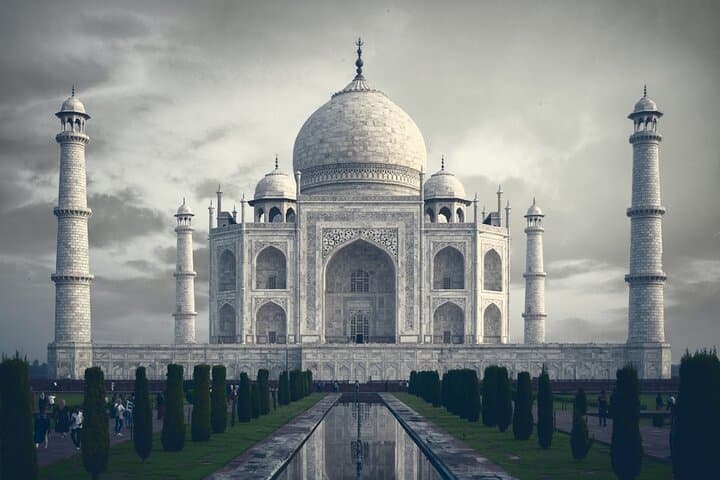
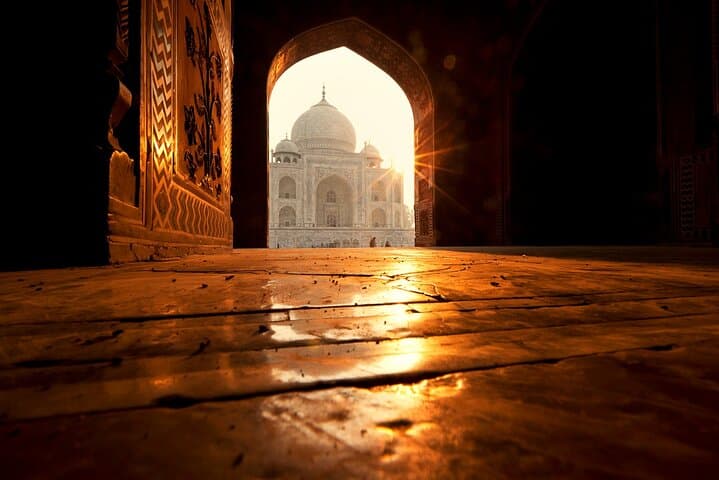

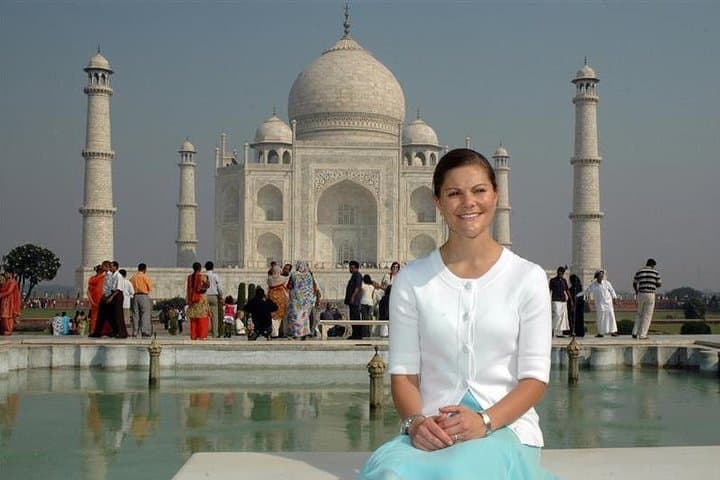
You arrive before the heat climbs, the Yamuna plain already casting a pale light across the marble of the Taj Mahal. The dome and minarets sit like a quiet challenge to the sky, marble cool under the morning breeze as the guide describes the decisions that shaped this monument of loss and craft.
You arrive before the heat climbs, the Yamuna plain already casting a pale light across the marble of the Taj Mahal. The dome and minarets sit like a quiet challenge to the sky, marble cool under the morning breeze as the guide describes the decisions that shaped this monument of loss and craft.
The route from New Delhi to Agra follows the broad Yamuna corridor—Indo-Gangetic plains carved by rivers and centuries of commerce. The Taj Mahal (1632–1653) is the high point of Mughal funerary architecture; nearby Agra Fort shows the military and palace ambitions of the same empire. Itmad‑ud‑Daula, the so-called Baby Taj, reveals an earlier experiment in marble inlay and proportional design.
Culturally, Agra is as much about skills—stone inlay, marble carving, and dressmaking—as it is about monuments. Expect narrow bazaars, marble workshops, and the occasional langur in the red fort walls.
Practical guidance: this is a full‑day private car trip (about 3–4 hours one way by road depending on traffic). Carry a valid ID for monument entry, wear comfortable shoes for walking on uneven courtyards and steps, and plan for early starts to avoid midday crowds and heat. The Taj is closed on Fridays; confirm whether monument entrance is included before booking. Bring small local currency for market stalls and gratitude for guides. Hydrate frequently—the air can be dry—and allow time to absorb each site rather than rush photographs.