THE ADVENTURE COLLECTIVE® · Independent discovery and booking for outdoor travel

See the Taj Mahal at first light and trade marble for tiger country on a private four-day loop from Delhi. This tour pairs UNESCO heritage with Ranthambore safaris — plan early morning drives, book safari slots, and pack for both heat and dust.
See the Taj Mahal at first light and trade marble for tiger country on a private four-day loop from Delhi. This tour pairs UNESCO heritage with Ranthambore safaris — plan early morning drives, book safari slots, and pack for both heat and dust.
You arrive before dawn on the broad marble forecourt of the Taj Mahal, the cool of the Yamuna still clinging to the gardens while soft light outlines the dome. The next day the landscape changes: scrub forest and rocky outcrops around Ranthambore replace marble and minarets, and every track seems to lead toward a watchful pair of amber eyes.
Verified experiences and guided adventures in the surrounding area.
Operated by Travel Creators Of India · Agra, Uttar Pradesh
You arrive before dawn on the broad marble forecourt of the Taj Mahal, the cool of the Yamuna still clinging to the gardens while soft light outlines the dome. The next day the landscape changes: scrub forest and rocky outcrops around Ranthambore replace marble and minarets, and every track seems to lead toward a watchful pair of amber eyes.
The Taj Mahal, built beginning in 1632 by Shah Jahan as a mausoleum for Mumtaz Mahal, sits on the south bank of the Yamuna and is a precise example of Mughal architecture — white marble, inlay work, and formal gardens laid out in charbagh geometry. Ranthambore National Park, near Sawai Madhopur, spans roughly 392 km² and is a core Project Tiger reserve; the park’s granite outcrops and seasonal lakes create microhabitats for tigers, leopards, sambar, and chital.
Practical guidance: the route runs Delhi → Agra (about 3–4 hours on the Yamuna Expressway) then onward to Ranthambore (roughly 4–5 hours by road). Safaris run at dawn and late afternoon; private jeep safaris maximize flexibility but book seats early — the park is closed during the monsoon (July–September). Expect early starts, bumpy forest tracks, and short walks at monuments; carry water, sun protection, and lightweight layers. Modest dress is advised at religious and historic sites.
Timing your visit around cooler months (October–March) increases comfort and wildlife sightings. With planning, this four-day loop pairs a close-up cultural landmark with immersive tiger country, offering both quiet reflection and high-alert wildlife watching.
moderate.
4 days.
Light to moderate fitness: able to handle short museum walks, early-morning jeep safaris, and multiple transfers.
Ranthambore is typically closed during the monsoon season, roughly July through September; check local notices for exact dates before booking.
Game drives are usually two sessions per day—early morning (about 3–4 hours) and late afternoon (2–3 hours); exact timings depend on park zones and vehicle allocations.
Yes — the Taj Mahal has timed-entry tickets and security screening; Ranthambore requires paid safari permits and vehicle bookings, arranged through the park or licensed operators.
Yes — the itinerary involves mostly vehicle transfers and short walks, suitable for most fitness levels, though early starts and bumpy jeep rides may be challenging for very young children or those with mobility issues.
Agra was a Mughal imperial capital in the 16th–17th centuries; the Taj Mahal and Agra Fort reflect the empire’s architectural patronage. Ranthambore’s fort predates the national park and marks historic trade routes across Rajasthan.
Ranthambore is a key Project Tiger reserve focused on habitat restoration and anti-poaching; visitors should follow park rules, avoid littering, and minimize noise to reduce disturbance.
Travel Creators Of India operates guided outdoor trips and adventures with an emphasis on safety, stewardship, and memorable experiences.
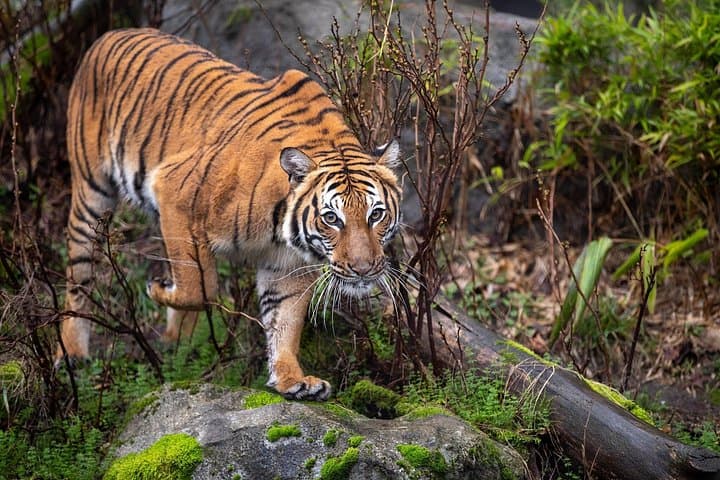
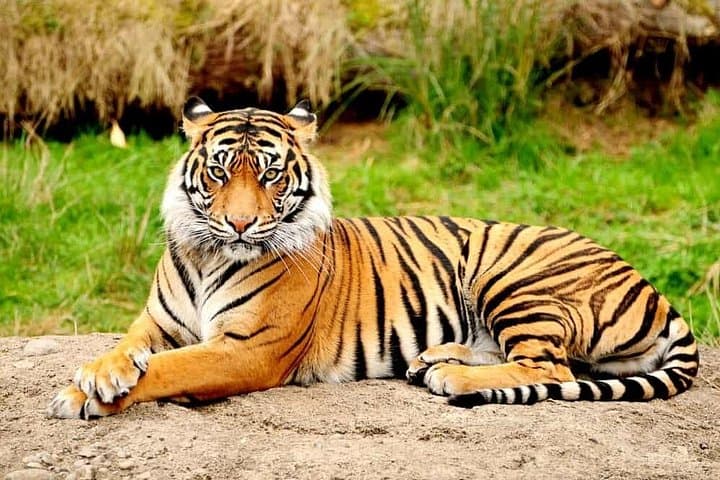
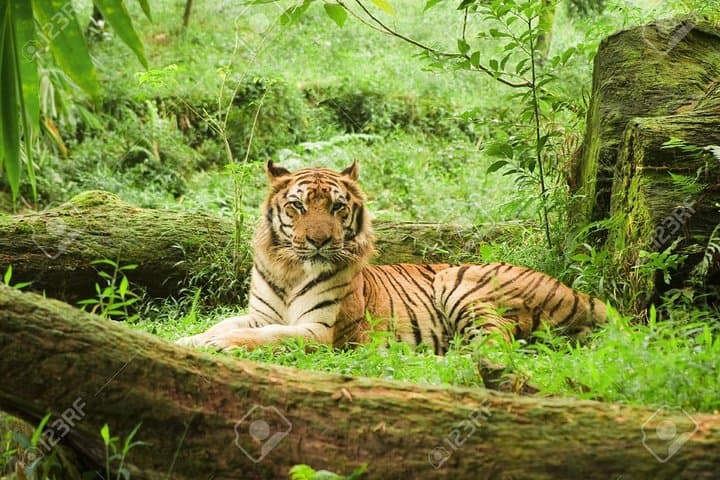
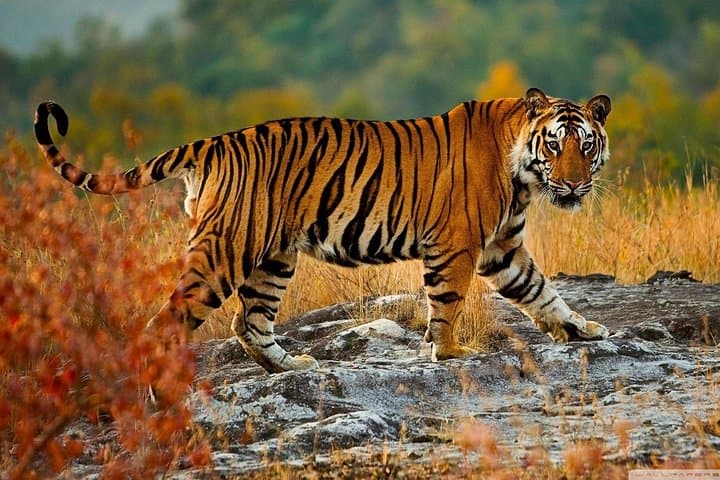
You arrive before dawn on the broad marble forecourt of the Taj Mahal, the cool of the Yamuna still clinging to the gardens while soft light outlines the dome. The next day the landscape changes: scrub forest and rocky outcrops around Ranthambore replace marble and minarets, and every track seems to lead toward a watchful pair of amber eyes.
You arrive before dawn on the broad marble forecourt of the Taj Mahal, the cool of the Yamuna still clinging to the gardens while soft light outlines the dome. The next day the landscape changes: scrub forest and rocky outcrops around Ranthambore replace marble and minarets, and every track seems to lead toward a watchful pair of amber eyes.
The Taj Mahal, built beginning in 1632 by Shah Jahan as a mausoleum for Mumtaz Mahal, sits on the south bank of the Yamuna and is a precise example of Mughal architecture — white marble, inlay work, and formal gardens laid out in charbagh geometry. Ranthambore National Park, near Sawai Madhopur, spans roughly 392 km² and is a core Project Tiger reserve; the park’s granite outcrops and seasonal lakes create microhabitats for tigers, leopards, sambar, and chital.
Practical guidance: the route runs Delhi → Agra (about 3–4 hours on the Yamuna Expressway) then onward to Ranthambore (roughly 4–5 hours by road). Safaris run at dawn and late afternoon; private jeep safaris maximize flexibility but book seats early — the park is closed during the monsoon (July–September). Expect early starts, bumpy forest tracks, and short walks at monuments; carry water, sun protection, and lightweight layers. Modest dress is advised at religious and historic sites.
Timing your visit around cooler months (October–March) increases comfort and wildlife sightings. With planning, this four-day loop pairs a close-up cultural landmark with immersive tiger country, offering both quiet reflection and high-alert wildlife watching.