THE ADVENTURE COLLECTIVE® · Independent discovery and booking for outdoor travel

A full‑day private drive from Delhi to Agra brings you face to face with the Taj Mahal’s luminous marble and the layered history of Agra Fort. This guided day trip covers travel, onsite touring, and options for entrance fees and lunch to make the most of a single day.
A full‑day private drive from Delhi to Agra brings you face to face with the Taj Mahal’s luminous marble and the layered history of Agra Fort. This guided day trip covers travel, onsite touring, and options for entrance fees and lunch to make the most of a single day.
Before sunrise the Taj’s white façade reads like a promise: cool marble glowing against a pale sky while the Yamuna pushes a slow ribbon of water at its feet.
Verified experiences and guided adventures in the surrounding area.
Operated by Julie International Tours · Agra, Uttar Pradesh
Before sunrise the Taj’s white façade reads like a promise: cool marble glowing against a pale sky while the Yamuna pushes a slow ribbon of water at its feet.
This private day trip carries you from Delhi’s urban sprawl onto the Yamuna Expressway—roughly 230 km and 3–4 hours of highway—arriving in the flat, fertile Indo‑Gangetic plain where the Mughal story is most visible.
The Taj Mahal, completed in the mid‑17th century by Shah Jahan for Mumtaz Mahal, is a study in marble craftsmanship: Makrana stone, inlaid pietra dura, and exacting symmetry. A short ride away, Agra Fort (largely Akbar’s 16th‑century red sandstone complex) tells a different chapter—military might softened by ornate private chambers and shaded courtyards.
Expect a cadence of sensory shifts: the shock of white marble to red sandstone, the city’s bazaars selling delicate inlay work, and the smell of frying spices beyond the tourist belt. The region sits at roughly 170 m elevation in largely level terrain, so the walking is easy but often exposed.
Practical guidance: start as early as possible for better light and thinner crowds; security checks are strict and can add time. Dress respectfully (shoulders and knees covered) and bring sun protection, a refillable water bottle, and comfortable walking shoes—the tour includes door‑to‑door private transport, optional entrance tickets, and a guide. If you plan photography, arrive for the morning glow or late afternoon, and allow time to browse local workshops where traditional craftsmen still cut and set semiprecious stone.
easy.
10–14 hours.
Suitable for most travelers able to sit for a multi‑hour drive and walk several hours across flat terrain
The Taj Mahal is closed on Fridays for congregational prayers; plan your tour on another day to enter the mausoleum grounds.
This tour offers options—some bookings include monument entrance fees and lunch; confirm your selection when booking to avoid paying separately onsite.
Expect about 3–4 hours each way from central Delhi via the Yamuna Expressway, depending on traffic and your pickup location.
The itinerary notes wheelchair‑accessible options; however, there are uneven surfaces at historic sites—confirm mobility needs ahead so accommodations can be arranged.
The Taj Mahal was completed in 1653 under Shah Jahan; Agra Fort predates it, expanded by Akbar into a royal citadel blending Islamic and indigenous styles.
Visitor numbers and nearby pollution are ongoing conservation concerns—follow site rules, avoid touching inlay work, and use authorized walkways to reduce wear.
Julie International Tours operates guided outdoor trips and adventures with an emphasis on safety, stewardship, and memorable experiences.
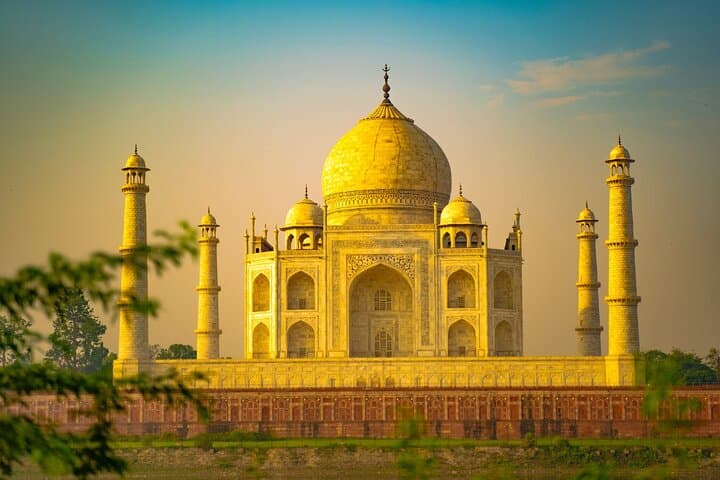

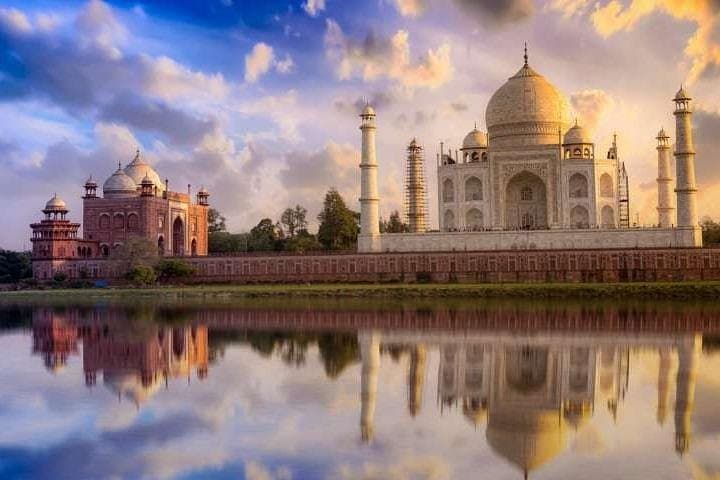

Before sunrise the Taj’s white façade reads like a promise: cool marble glowing against a pale sky while the Yamuna pushes a slow ribbon of water at its feet.
Before sunrise the Taj’s white façade reads like a promise: cool marble glowing against a pale sky while the Yamuna pushes a slow ribbon of water at its feet.
This private day trip carries you from Delhi’s urban sprawl onto the Yamuna Expressway—roughly 230 km and 3–4 hours of highway—arriving in the flat, fertile Indo‑Gangetic plain where the Mughal story is most visible.
The Taj Mahal, completed in the mid‑17th century by Shah Jahan for Mumtaz Mahal, is a study in marble craftsmanship: Makrana stone, inlaid pietra dura, and exacting symmetry. A short ride away, Agra Fort (largely Akbar’s 16th‑century red sandstone complex) tells a different chapter—military might softened by ornate private chambers and shaded courtyards.
Expect a cadence of sensory shifts: the shock of white marble to red sandstone, the city’s bazaars selling delicate inlay work, and the smell of frying spices beyond the tourist belt. The region sits at roughly 170 m elevation in largely level terrain, so the walking is easy but often exposed.
Practical guidance: start as early as possible for better light and thinner crowds; security checks are strict and can add time. Dress respectfully (shoulders and knees covered) and bring sun protection, a refillable water bottle, and comfortable walking shoes—the tour includes door‑to‑door private transport, optional entrance tickets, and a guide. If you plan photography, arrive for the morning glow or late afternoon, and allow time to browse local workshops where traditional craftsmen still cut and set semiprecious stone.