THE ADVENTURE COLLECTIVE® · Independent discovery and booking for outdoor travel

See the Taj Mahal before the crowds and pair it with Agra Fort on a private, guided itinerary that focuses on architecture, craft, and local markets. Practical tips on timing, accessibility, and what to pack help you make the most of a full cultural day or overnight in Agra.
See the Taj Mahal before the crowds and pair it with Agra Fort on a private, guided itinerary that focuses on architecture, craft, and local markets. Practical tips on timing, accessibility, and what to pack help you make the most of a full cultural day or overnight in Agra.
Dawn breaks over the Yamuna and the first light slides across white marble, turning the Taj Mahal from pale stone to a living structure that seems to breathe. You enter by a quiet gate with a private guide at your side, the air carrying river-scented birdsong and the soft collapse of distant traffic. This is a tour built for close-looking: carved pietra dura inlay, calligraphy bands circling mausoleums, and the geometry of gardens that frame a ruler’s grief.
Verified experiences and guided adventures in the surrounding area.
Operated by RAFAEL TOURS · Agra, Uttar Pradesh
Dawn breaks over the Yamuna and the first light slides across white marble, turning the Taj Mahal from pale stone to a living structure that seems to breathe. You enter by a quiet gate with a private guide at your side, the air carrying river-scented birdsong and the soft collapse of distant traffic. This is a tour built for close-looking: carved pietra dura inlay, calligraphy bands circling mausoleums, and the geometry of gardens that frame a ruler’s grief.
The story is Mughal: 17th-century imperial ambition, Shah Jahan’s grief for Mumtaz Mahal, and the engineering that drew craftsmen from across Asia. Agra Fort, a short drive away, shows the dynasty’s defensive and domestic face—red sandstone ramparts, palaces, and angled bastions. Geologically, the site sits on alluvial plains of the Yamuna, where seasonal floods shaped the riverbanks and informed the siting of gardens and tombs. In the markets around Sadar Bazar, leatherworkers and marble inlayers continue crafts that supported Mughal patronage.
Practical guidance: aim for first light to avoid crowds and heat; security and timed entry mean coordination with a guide speeds access. Expect paved walkways, a few stair sections, and short walks between sites—comfortable shoes and water are non-negotiable. Carry sun protection, a modest scarf for certain areas, and small local currency for market purchases. Be prepared for brief waits at ticket counters and bag checks, and leave drones and tripods behind. With a private driver and guide, the pace can be tailored: linger over marble details, then step into a bustling bazaar for petha and handcrafted souvenirs.
moderate.
1–2 days.
Moderate: able to walk several miles over flat and stepped surfaces and tolerate periods of standing
This itinerary lists admission for Taj Mahal and Agra Fort; confirm at booking whether all entrance fees and any monument taxes are covered.
Many private tours include pickup from Delhi hotels—verify your pickup point and estimated transfer time when you book.
Handheld photography is generally allowed inside monuments (without flash on certain surfaces); drones are prohibited and tripods may be restricted.
Some areas are wheelchair accessible and this product notes accessibility options, but there are steps and uneven surfaces—check specific mobility needs with the operator before booking.
The Taj Mahal was commissioned by Mughal Emperor Shah Jahan in the 17th century as a mausoleum for Mumtaz Mahal; Agra Fort served earlier emperors as a political and military center.
Heavy visitor numbers and proximity to the Yamuna pressure the site; staying on marked paths, avoiding flash photography on fragile surfaces, and using licensed guides support conservation efforts.
RAFAEL TOURS operates guided outdoor trips and adventures with an emphasis on safety, stewardship, and memorable experiences.
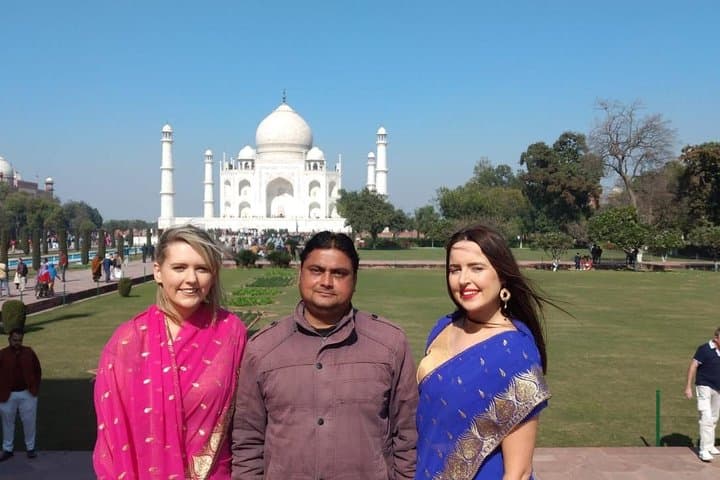
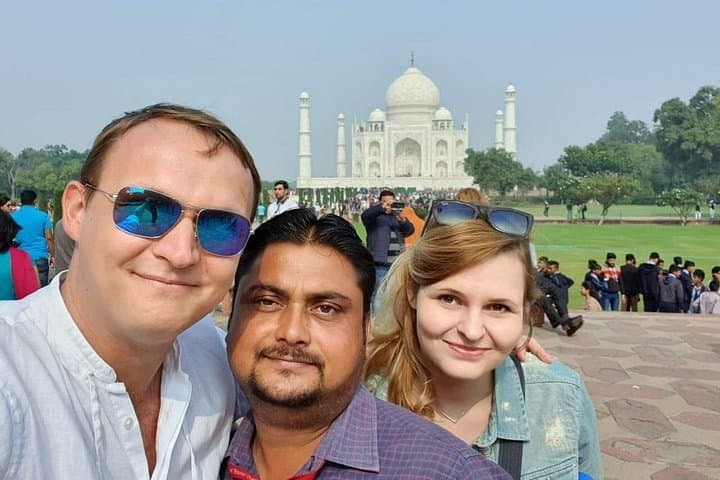
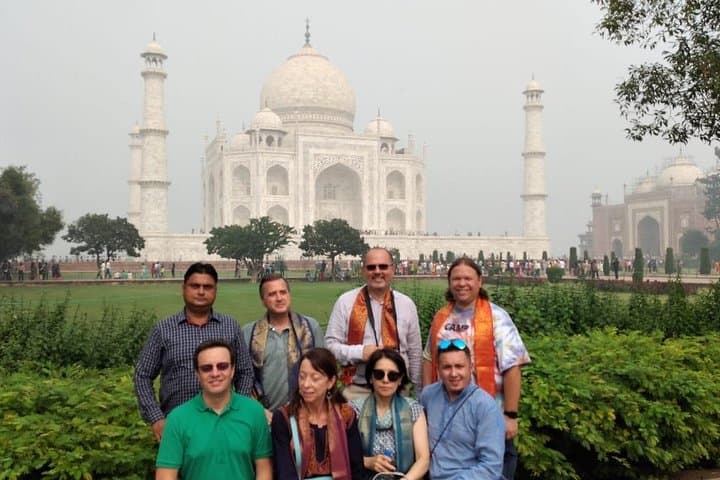
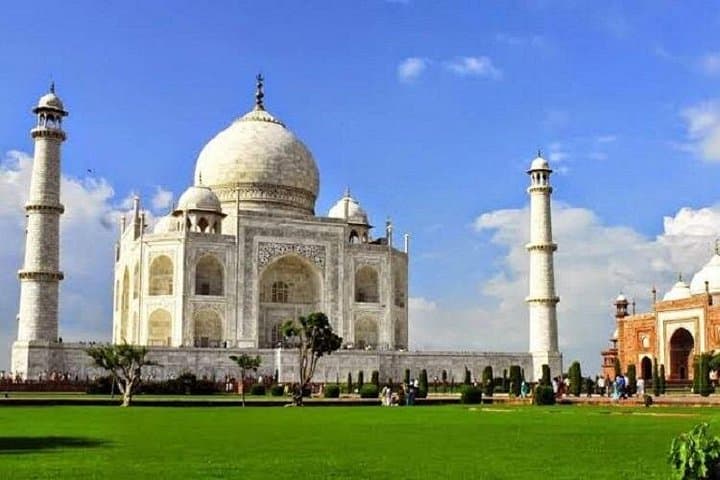
Dawn breaks over the Yamuna and the first light slides across white marble, turning the Taj Mahal from pale stone to a living structure that seems to breathe. You enter by a quiet gate with a private guide at your side, the air carrying river-scented birdsong and the soft collapse of distant traffic. This is a tour built for close-looking: carved pietra dura inlay, calligraphy bands circling mausoleums, and the geometry of gardens that frame a ruler’s grief.
Dawn breaks over the Yamuna and the first light slides across white marble, turning the Taj Mahal from pale stone to a living structure that seems to breathe. You enter by a quiet gate with a private guide at your side, the air carrying river-scented birdsong and the soft collapse of distant traffic. This is a tour built for close-looking: carved pietra dura inlay, calligraphy bands circling mausoleums, and the geometry of gardens that frame a ruler’s grief.
The story is Mughal: 17th-century imperial ambition, Shah Jahan’s grief for Mumtaz Mahal, and the engineering that drew craftsmen from across Asia. Agra Fort, a short drive away, shows the dynasty’s defensive and domestic face—red sandstone ramparts, palaces, and angled bastions. Geologically, the site sits on alluvial plains of the Yamuna, where seasonal floods shaped the riverbanks and informed the siting of gardens and tombs. In the markets around Sadar Bazar, leatherworkers and marble inlayers continue crafts that supported Mughal patronage.
Practical guidance: aim for first light to avoid crowds and heat; security and timed entry mean coordination with a guide speeds access. Expect paved walkways, a few stair sections, and short walks between sites—comfortable shoes and water are non-negotiable. Carry sun protection, a modest scarf for certain areas, and small local currency for market purchases. Be prepared for brief waits at ticket counters and bag checks, and leave drones and tripods behind. With a private driver and guide, the pace can be tailored: linger over marble details, then step into a bustling bazaar for petha and handcrafted souvenirs.