THE ADVENTURE COLLECTIVE® · Independent discovery and booking for outdoor travel

A full-day private car tour from Delhi delivers sunrise or sunset views of the Taj Mahal plus a guided visit to Agra Fort. Travel comfortably on the expressway with skip-the-line access and a local guide for historical context.
A full-day private car tour from Delhi delivers sunrise or sunset views of the Taj Mahal plus a guided visit to Agra Fort. Travel comfortably on the expressway with skip-the-line access and a local guide for historical context.
Morning light slices across the Yamuna as a private car threads out of Delhi on the expressway, the city shrinking while anticipation grows.
Verified experiences and guided adventures in the surrounding area.
Operated by Julie International Tours · Agra, Uttar Pradesh
Morning light slices across the Yamuna as a private car threads out of Delhi on the expressway, the city shrinking while anticipation grows.
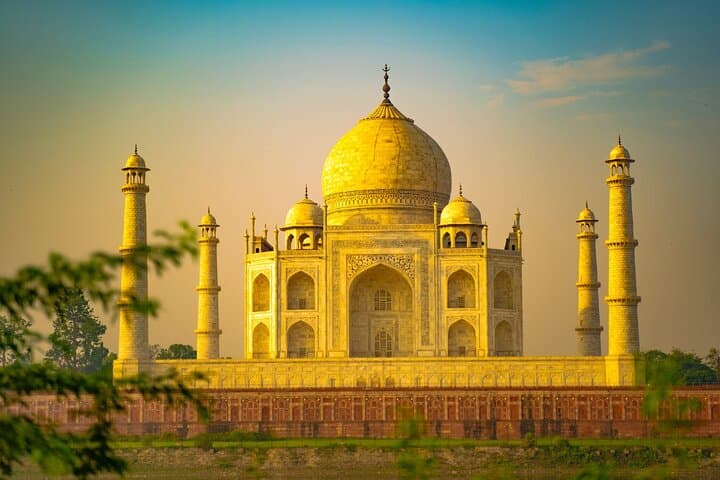
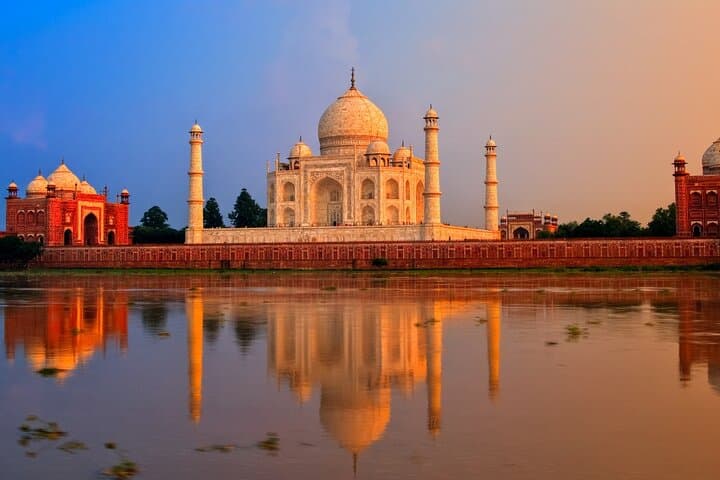
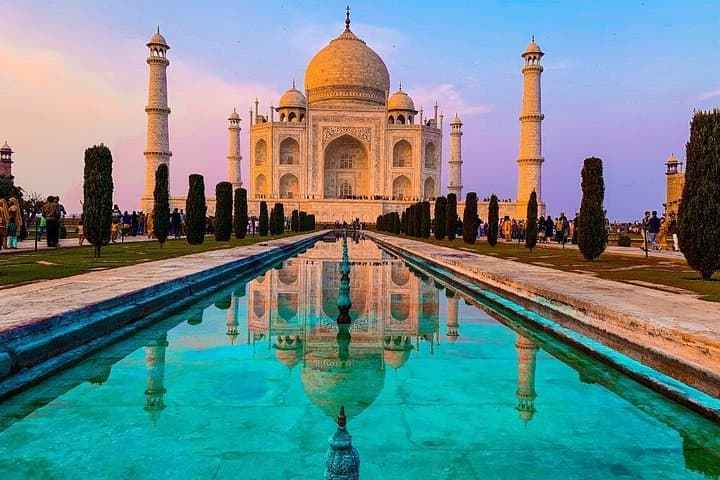
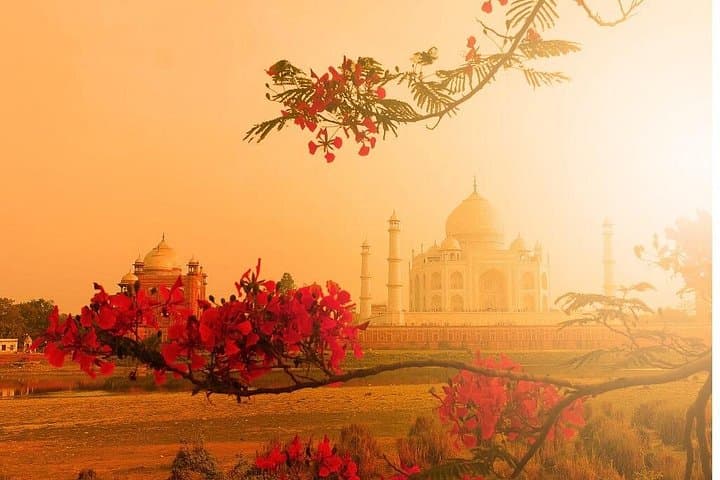
Travelers arrive in Agra to the hush that hangs over the Taj Mahal’s white domes at sunrise or the warm glow of late afternoon; marble seems to breathe here, reflecting centuries of craft and politics. Built by Shah Jahan in the 17th century for Mumtaz Mahal, the mausoleum sits opposite the Yamuna, whose banks and Mehtab Bagh offer alternate vantage points. Nearby, Agra Fort opens onto courtyards and ramparts that map Mughal power before the capital moved to Delhi.
Geologically the region is alluvial plain—soft silt that allowed the builders to sink deep foundations for heavy marble. Culturally, Agra’s markets still sell inlaid pietra dura and zari textiles, artifacts of a living craft tradition.
Practical guidance: expect a 12–14 hour door-to-door day. The tour uses an air-conditioned car on India’s expressway; plan for security checks at both monuments and limited bag sizes—tripods are often restricted. Sunrise visits beat heat and crowds; bring ID for ticket checks and a printed or mobile ticket. Photo rules vary by courtyard; follow the guide’s instructions to save time.
Comfortable shoes, sun protection, and a refillable water bottle make long walking and queueing easier. For travelers with mobility needs, both sites have accessible routes but expect cobbled ramps and occasional steps. With a private guide and skip-the-line access, the day balances iconic views with historical depth—efficient, focused, and unmistakably Mughal.
easy.
12–14 hours.
Suitable for travelers in average fitness—requires walking on paved paths and standing during security and tours; extended car time is involved.
Entrance fees are not automatically included unless you select an all-inclusive option—confirm at booking and budget for Indian and foreigner ticket rates.
The drive on the Yamuna Expressway takes about 3–4 hours one way depending on traffic; expect a full 12–14 hour round-trip itinerary.
Photography is allowed in most external and garden areas; tripods and professional equipment may be restricted and some inner chambers prohibit photography—follow your guide’s directions.
Both sites provide accessible routes and vehicle pick-up/drop-off, but cobbled surfaces and some steps remain—notify the operator in advance to arrange suitable assistance.
The Taj Mahal was commissioned by Mughal emperor Shah Jahan in 1632 as a mausoleum for Mumtaz Mahal; Agra Fort was the dynasty’s principal residence until the capital moved to Delhi.
Air pollution and visitor pressure have prompted conservation measures, including marble cleaning, restricted vehicle access close to the monument, and visitor management to reduce wear.
Julie International Tours operates guided outdoor trips and adventures with an emphasis on safety, stewardship, and memorable experiences.
Morning light slices across the Yamuna as a private car threads out of Delhi on the expressway, the city shrinking while anticipation grows.
Morning light slices across the Yamuna as a private car threads out of Delhi on the expressway, the city shrinking while anticipation grows.
Travelers arrive in Agra to the hush that hangs over the Taj Mahal’s white domes at sunrise or the warm glow of late afternoon; marble seems to breathe here, reflecting centuries of craft and politics. Built by Shah Jahan in the 17th century for Mumtaz Mahal, the mausoleum sits opposite the Yamuna, whose banks and Mehtab Bagh offer alternate vantage points. Nearby, Agra Fort opens onto courtyards and ramparts that map Mughal power before the capital moved to Delhi.
Geologically the region is alluvial plain—soft silt that allowed the builders to sink deep foundations for heavy marble. Culturally, Agra’s markets still sell inlaid pietra dura and zari textiles, artifacts of a living craft tradition.
Practical guidance: expect a 12–14 hour door-to-door day. The tour uses an air-conditioned car on India’s expressway; plan for security checks at both monuments and limited bag sizes—tripods are often restricted. Sunrise visits beat heat and crowds; bring ID for ticket checks and a printed or mobile ticket. Photo rules vary by courtyard; follow the guide’s instructions to save time.
Comfortable shoes, sun protection, and a refillable water bottle make long walking and queueing easier. For travelers with mobility needs, both sites have accessible routes but expect cobbled ramps and occasional steps. With a private guide and skip-the-line access, the day balances iconic views with historical depth—efficient, focused, and unmistakably Mughal.