THE ADVENTURE COLLECTIVE® · Independent discovery and booking for outdoor travel

Make a day of it: drive the expressway from Delhi to Agra for a guided, private visit to the Taj Mahal, Agra Fort and the Baby Taj. This full-day itinerary balances iconic sights with practical tips for timing, transport and comfort.
Make a day of it: drive the expressway from Delhi to Agra for a guided, private visit to the Taj Mahal, Agra Fort and the Baby Taj. This full-day itinerary balances iconic sights with practical tips for timing, transport and comfort.
You step into the pre-dawn cool of Delhi and the highway swallows the city lights as the car hums toward Agra, the road unspooling like a promise. By the time the marble dome appears across the lawns, sunlight picks at its facets and the gardens around the mausoleum seem to breathe with the day — the Yamuna tugging quietly at the city's edges.
Verified experiences and guided adventures in the surrounding area.
Operated by Tour Guide Delhi · Agra, Uttar Pradesh
You step into the pre-dawn cool of Delhi and the highway swallows the city lights as the car hums toward Agra, the road unspooling like a promise. By the time the marble dome appears across the lawns, sunlight picks at its facets and the gardens around the mausoleum seem to breathe with the day — the Yamuna tugging quietly at the city's edges.
Built in the 17th century by Mughal emperor Shah Jahan for Mumtaz Mahal, the Taj Mahal stands beside a river that has shaped the city’s layout and fortunes. Agra Fort, a red-sandstone stronghold, and the more intimate Itmad-ud-Daulah (the “Baby Taj”) show how Mughal architecture shifted from fortress to mausoleum, with pietra dura inlay and lattice screens revealing changing tastes and techniques.
Local life threads through markets and marble workshops; vendors tune their pitch to tourists while the river draws migratory birds and cheeky rhesus macaques to pause by the ghats. Conservation efforts limit visitor movement on sensitive surfaces — respect barriers and follow guide instructions to protect delicate inlay work.
Practical planning: expect a 12–14 hour day roundtrip from Delhi via the expressway, with a battery van transfer from the parking area to the Taj complex to reduce walking on fragile lawns. Start early to avoid the crowds and heat, carry sun protection and comfortable shoes for uneven steps in forts and tombs, and bring a refillable bottle — bottled water is usually provided but refill points are limited. Factor in security screening times, a guided 2–3 hour Taj visit, lunch stop, and an hour each at Agra Fort and Itmad-ud-Daulah. Timing your return before late evening traffic keeps the drive relaxed and lets you arrive back in Delhi with daylight to spare.
easy.
12–14 hours.
Suitable for most fitness levels; expect several hours of walking on mostly flat paths with some steps and uneven surfaces.
The expressway drive typically takes 3–4 hours each way, so plan for a full 12–14 hour day including visits and breaks.
Entrance fees are included only if you choose the all-inclusive option; otherwise, confirm with the operator or be prepared to pay on-site.
The tour notes wheelchair-accessible transport and some accessible areas, but several historic sites have steps and limited ramps—check specifics with the provider before booking.
Photography is allowed in the Taj complex but tripods and commercial gear may be restricted; follow signage and guide instructions to avoid fines.
Agra served as a Mughal capital; the Taj Mahal (mid-1600s) and Agra Fort reflect a shift from fortified royal residence to monumental funerary architecture under Shah Jahan.
Visitor volume stresses fragile marble inlay and garden lawns: stick to paths, avoid touching carved surfaces, and support operators who follow site rules and waste-reduction practices.
Tour Guide Delhi operates guided outdoor trips and adventures with an emphasis on safety, stewardship, and memorable experiences.
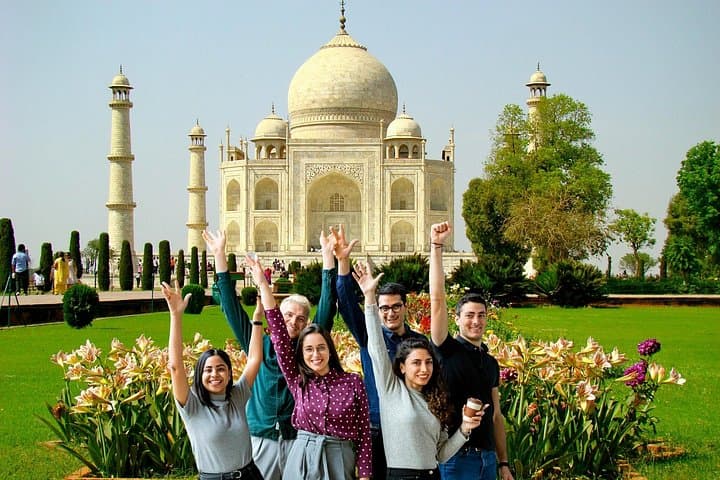
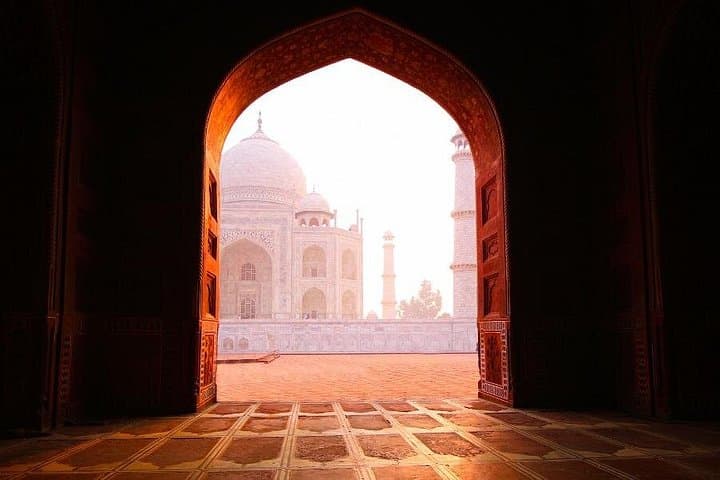
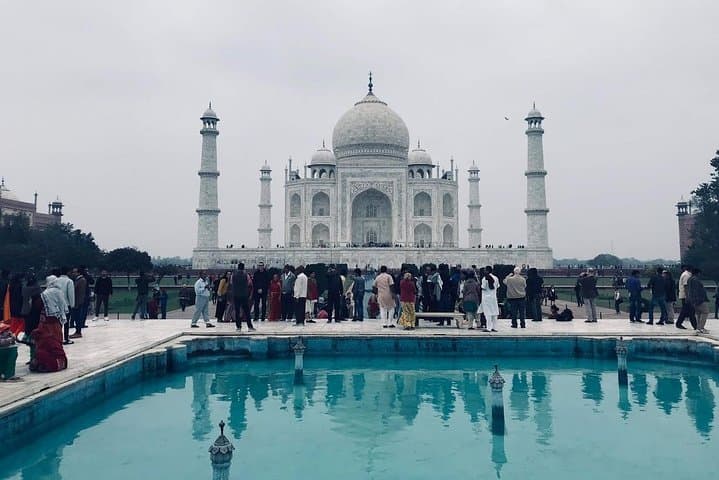
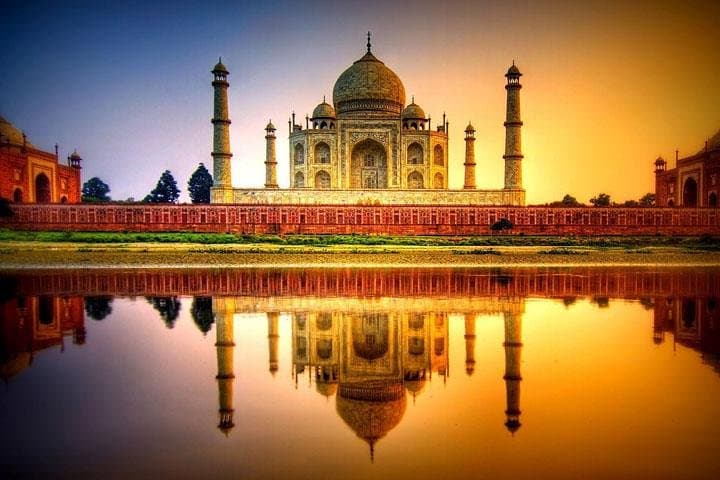
You step into the pre-dawn cool of Delhi and the highway swallows the city lights as the car hums toward Agra, the road unspooling like a promise. By the time the marble dome appears across the lawns, sunlight picks at its facets and the gardens around the mausoleum seem to breathe with the day — the Yamuna tugging quietly at the city's edges.
You step into the pre-dawn cool of Delhi and the highway swallows the city lights as the car hums toward Agra, the road unspooling like a promise. By the time the marble dome appears across the lawns, sunlight picks at its facets and the gardens around the mausoleum seem to breathe with the day — the Yamuna tugging quietly at the city's edges.
Built in the 17th century by Mughal emperor Shah Jahan for Mumtaz Mahal, the Taj Mahal stands beside a river that has shaped the city’s layout and fortunes. Agra Fort, a red-sandstone stronghold, and the more intimate Itmad-ud-Daulah (the “Baby Taj”) show how Mughal architecture shifted from fortress to mausoleum, with pietra dura inlay and lattice screens revealing changing tastes and techniques.
Local life threads through markets and marble workshops; vendors tune their pitch to tourists while the river draws migratory birds and cheeky rhesus macaques to pause by the ghats. Conservation efforts limit visitor movement on sensitive surfaces — respect barriers and follow guide instructions to protect delicate inlay work.
Practical planning: expect a 12–14 hour day roundtrip from Delhi via the expressway, with a battery van transfer from the parking area to the Taj complex to reduce walking on fragile lawns. Start early to avoid the crowds and heat, carry sun protection and comfortable shoes for uneven steps in forts and tombs, and bring a refillable bottle — bottled water is usually provided but refill points are limited. Factor in security screening times, a guided 2–3 hour Taj visit, lunch stop, and an hour each at Agra Fort and Itmad-ud-Daulah. Timing your return before late evening traffic keeps the drive relaxed and lets you arrive back in Delhi with daylight to spare.