THE ADVENTURE COLLECTIVE® · Independent discovery and booking for outdoor travel

Learn to make nigiri, maki, uramaki and temaki with a former sushi-restaurant owner in a private Hilversum kitchen. This hands-on 2½-hour workshop includes instruction, dinner and drinks for an intimate group.
Learn to make nigiri, maki, uramaki and temaki with a former sushi-restaurant owner in a private Hilversum kitchen. This hands-on 2½-hour workshop includes instruction, dinner and drinks for an intimate group.
Step into a warm Dutch kitchen in Hilversum where the scent of steamed rice and toasted nori meets sharp citrus from freshly grated yuzu. The chef — a former sushi-restaurant owner — lays out bowls of vinegared rice and glistening slices of fish while conversation shifts between technique and the rhythm of rolling bamboo mats.
Verified experiences and guided adventures in the surrounding area.
Operated by Nigel van der Weerd · Hilversum, North Holland
Step into a warm Dutch kitchen in Hilversum where the scent of steamed rice and toasted nori meets sharp citrus from freshly grated yuzu. The chef — a former sushi-restaurant owner — lays out bowls of vinegared rice and glistening slices of fish while conversation shifts between technique and the rhythm of rolling bamboo mats.
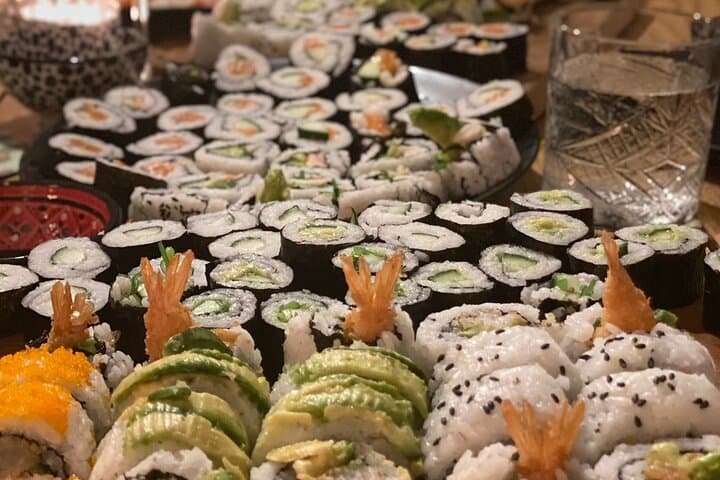
Sushi’s history threads from Edo-era street food to modern global cuisine; here the workshop blends that lineage with Dutch hospitality. Hilversum itself is a pragmatic town known for its broadcasting history and easy access to nearby green space, which makes a culinary evening feel both urban and relaxed. Expect an introduction to nigiri, maki, uramaki and temaki, with demonstrations on rice seasoning, fish handling, and rolling pressure.
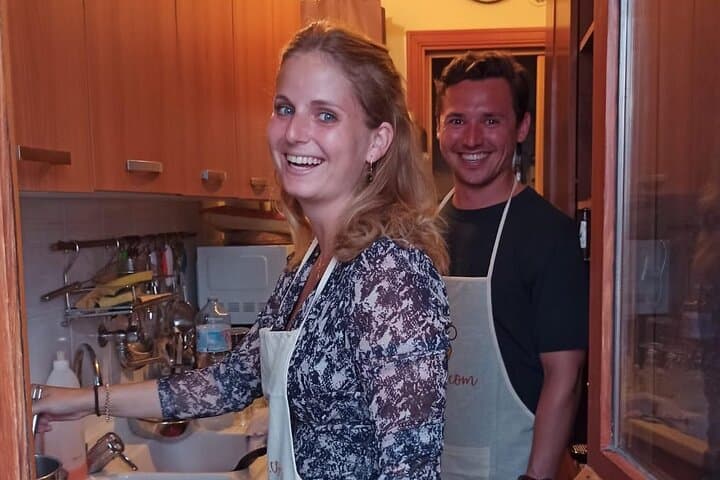
The class is hands-on: you’ll prepare, assemble and then enjoy your creations with included wine, beer or soft drinks. Groups are intimate — this experience prefers a minimum of four participants — and it can be run at a host home or a well-equipped Airbnb kitchen. Practical notes: wear closed-toe shoes, bring dietary restrictions in advance, and be ready to stand for most of the 2½-hour session. Knife safety and basic hygiene are emphasized; the chef adapts recipes for vegetarians.
This workshop is as much about technique as it is about eating: leave with a clearer sense of ingredient sourcing, rice technique and a few recipes you can replicate at home.
easy.
2–3 hours.
Minimal fitness required — able to stand for the duration and perform light manual tasks.
Yes — the chef can adapt fillings and toppings for vegetarian diets; indicate preferences at booking.
No — the class is designed for beginners and covers basic rice, cutting and rolling techniques.
Often yes, provided there’s a functional kitchen; confirm during booking so the host can plan equipment needs.
Yes — wine, beer and non-alcoholic drinks are included as part of the experience.
Hilversum grew in the 19th century and later became Holland’s media and broadcasting hub; evenings here mix urban and local community life.
Ask the chef about seafood sourcing and prefer classes that use sustainably caught or certified fish to reduce fisheries impact.
Nigel van der Weerd operates guided outdoor trips and adventures with an emphasis on safety, stewardship, and memorable experiences.
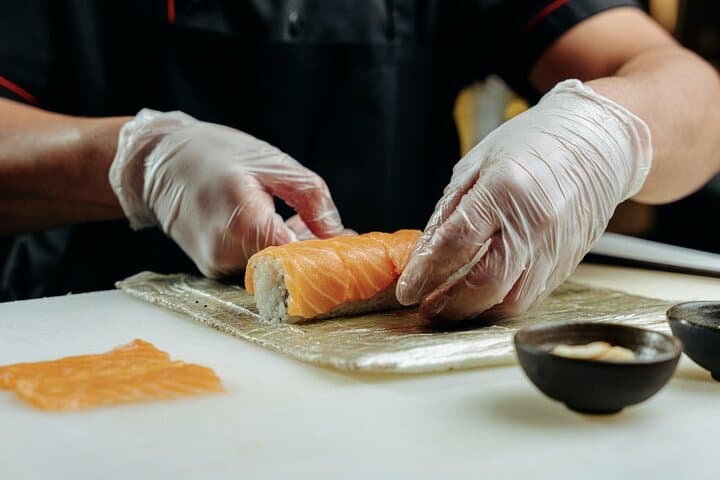
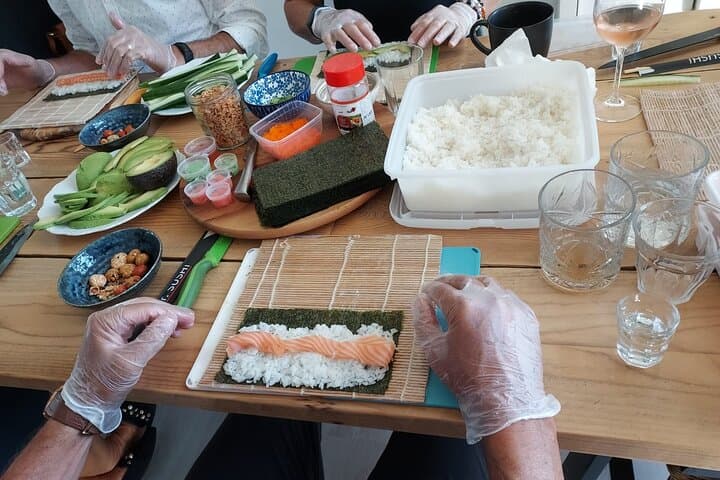
Step into a warm Dutch kitchen in Hilversum where the scent of steamed rice and toasted nori meets sharp citrus from freshly grated yuzu. The chef — a former sushi-restaurant owner — lays out bowls of vinegared rice and glistening slices of fish while conversation shifts between technique and the rhythm of rolling bamboo mats.
Step into a warm Dutch kitchen in Hilversum where the scent of steamed rice and toasted nori meets sharp citrus from freshly grated yuzu. The chef — a former sushi-restaurant owner — lays out bowls of vinegared rice and glistening slices of fish while conversation shifts between technique and the rhythm of rolling bamboo mats.
Sushi’s history threads from Edo-era street food to modern global cuisine; here the workshop blends that lineage with Dutch hospitality. Hilversum itself is a pragmatic town known for its broadcasting history and easy access to nearby green space, which makes a culinary evening feel both urban and relaxed. Expect an introduction to nigiri, maki, uramaki and temaki, with demonstrations on rice seasoning, fish handling, and rolling pressure.
The class is hands-on: you’ll prepare, assemble and then enjoy your creations with included wine, beer or soft drinks. Groups are intimate — this experience prefers a minimum of four participants — and it can be run at a host home or a well-equipped Airbnb kitchen. Practical notes: wear closed-toe shoes, bring dietary restrictions in advance, and be ready to stand for most of the 2½-hour session. Knife safety and basic hygiene are emphasized; the chef adapts recipes for vegetarians.
This workshop is as much about technique as it is about eating: leave with a clearer sense of ingredient sourcing, rice technique and a few recipes you can replicate at home.