THE ADVENTURE COLLECTIVE® · Independent discovery and booking for outdoor travel

Two-hour private surf lessons on Costa da Caparica teach you to read Atlantic waves, manage sandbar rips, and build confident pop-ups with a licensed local instructor. Ideal for beginners to intermediate surfers seeking focused, safe coaching south of Lisbon.
Two-hour private surf lessons on Costa da Caparica teach you to read Atlantic waves, manage sandbar rips, and build confident pop-ups with a licensed local instructor. Ideal for beginners to intermediate surfers seeking focused, safe coaching south of Lisbon.
A low, Atlantic wind moves across a broad beach as the surf rearranges itself into clean, rideable lines. In Costa da Caparica, the ocean dares you; the sand answers with a wide, forgiving shore that makes first pop-ups less intimidating and long rides approachable.
Verified experiences and guided adventures in the surrounding area.
Operated by Gecko Surf School · Costa da Caparica, Lisbon
A low, Atlantic wind moves across a broad beach as the surf rearranges itself into clean, rideable lines. In Costa da Caparica, the ocean dares you; the sand answers with a wide, forgiving shore that makes first pop-ups less intimidating and long rides approachable.
The coast south of the Tejo has been a working shoreline for centuries—fishing hamlets and salt pans gave way to summer houses and, more recently, a thriving surf scene since the 1960s. Geologically the stretch is a barrier-beach system: long sandy spits, shifting sandbars and sand-dune corridors that shape where waves peel and where rips form. Local culture mixes fisherman heritage with surf cafés and board shapers in small workshops along the Avenida.
Expect variable Atlantic conditions: on mild days waist-high waves are common, while winter swells can exceed 2 meters and deliver faster, hollow rides. Tides move the sandbars, so an instructor’s local knowledge is key; they read currents, point out rips, and choose the best break for your skill level.
Practical guidance: lessons run about two hours and include wetsuit and board; swimmers should be comfortable in moving water and able to tread for several minutes. Arrive early to check wind and tide; low to mid tide often produces cleaner peaks. Bring waterproof sunscreen, a towel, and a willingness to repeat the pop-up until muscle memory sticks. Respect flagged zones, follow the instructor’s signals, and pack out all trash—the beach’s dunes and birdlife depend on it.
moderate.
2 hours.
Moderate fitness: comfortable swimming in waves, basic cardiovascular endurance, and ability to practice repeated pop-ups.
No—private lessons are tailored from beginner to intermediate; instructors start with paddling and pop-up fundamentals.
Meet at the instructor’s designated beach access on Costa da Caparica; exact coordinates or a landmark (e.g., a café or lifeguard station) will be provided after booking.
Yes—wetsuit, surfboard and basic insurance are typically included in a private lesson package.
Lessons can be canceled for unsafe conditions (strong storms or dangerous swell); cancel at least 24 hours beforehand for a full refund per the provider policy.
Costa da Caparica evolved from fishing settlements into Portugal’s surf hub in the late 20th century, drawing locals and international surfers to its long beach breaks.
Local initiatives protect dune vegetation and nesting birds; stay on marked paths and remove trash to limit erosion and habitat loss.
Gecko Surf School operates guided outdoor trips and adventures with an emphasis on safety, stewardship, and memorable experiences.
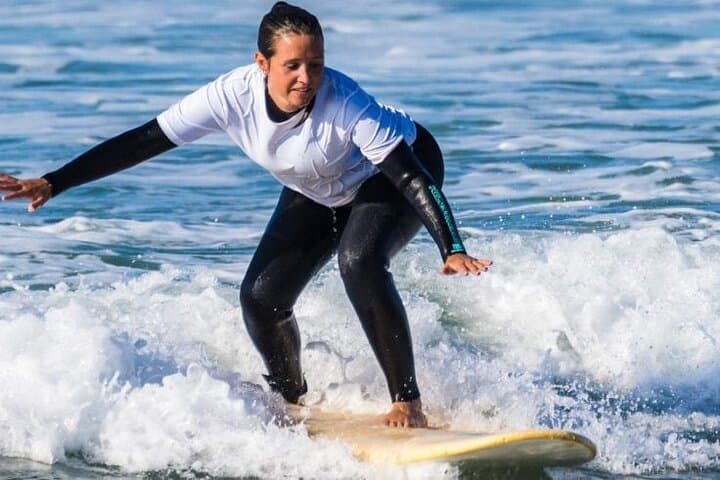
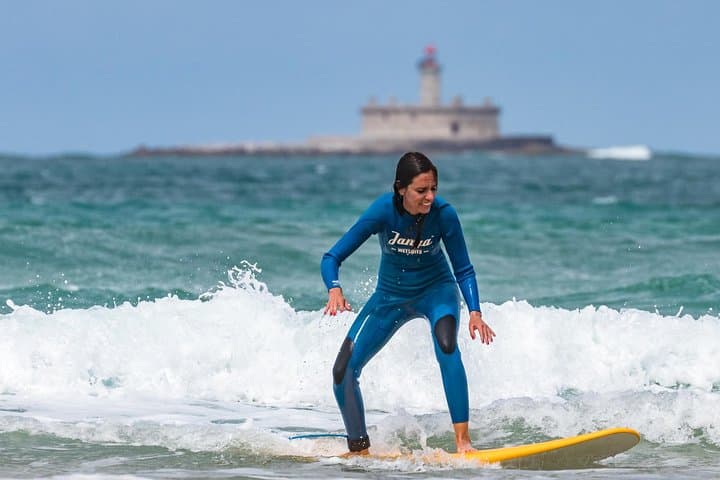
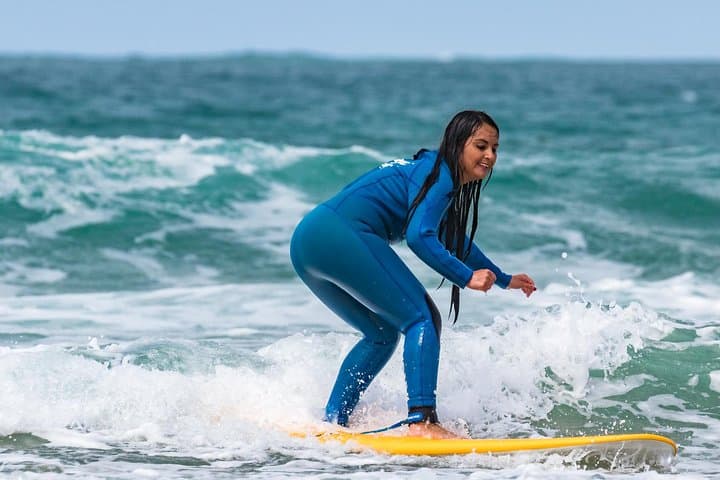
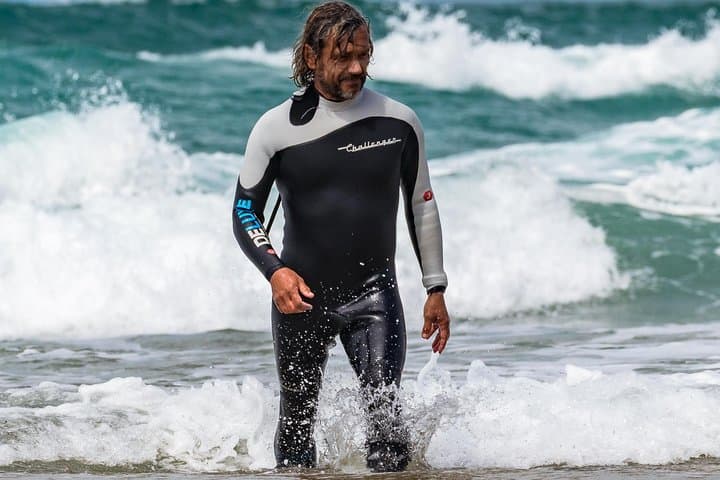
A low, Atlantic wind moves across a broad beach as the surf rearranges itself into clean, rideable lines. In Costa da Caparica, the ocean dares you; the sand answers with a wide, forgiving shore that makes first pop-ups less intimidating and long rides approachable.
A low, Atlantic wind moves across a broad beach as the surf rearranges itself into clean, rideable lines. In Costa da Caparica, the ocean dares you; the sand answers with a wide, forgiving shore that makes first pop-ups less intimidating and long rides approachable.
The coast south of the Tejo has been a working shoreline for centuries—fishing hamlets and salt pans gave way to summer houses and, more recently, a thriving surf scene since the 1960s. Geologically the stretch is a barrier-beach system: long sandy spits, shifting sandbars and sand-dune corridors that shape where waves peel and where rips form. Local culture mixes fisherman heritage with surf cafés and board shapers in small workshops along the Avenida.
Expect variable Atlantic conditions: on mild days waist-high waves are common, while winter swells can exceed 2 meters and deliver faster, hollow rides. Tides move the sandbars, so an instructor’s local knowledge is key; they read currents, point out rips, and choose the best break for your skill level.
Practical guidance: lessons run about two hours and include wetsuit and board; swimmers should be comfortable in moving water and able to tread for several minutes. Arrive early to check wind and tide; low to mid tide often produces cleaner peaks. Bring waterproof sunscreen, a towel, and a willingness to repeat the pop-up until muscle memory sticks. Respect flagged zones, follow the instructor’s signals, and pack out all trash—the beach’s dunes and birdlife depend on it.