THE ADVENTURE COLLECTIVE® · Independent discovery and booking for outdoor travel

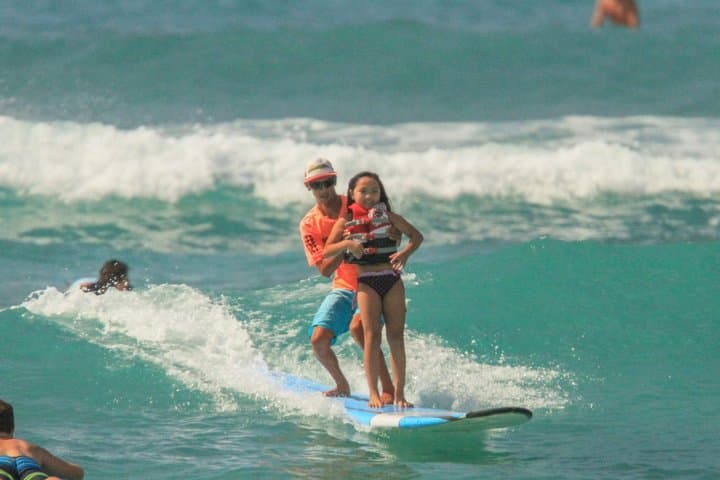
Learn to surf on Waikiki’s famous gentle reef breaks with a private, 90-minute lesson. Perfect for first-timers and kids, the session combines a land demo, ocean safety briefing, and guided practice in the water.
Learn to surf on Waikiki’s famous gentle reef breaks with a private, 90-minute lesson. Perfect for first-timers and kids, the session combines a land demo, ocean safety briefing, and guided practice in the water.
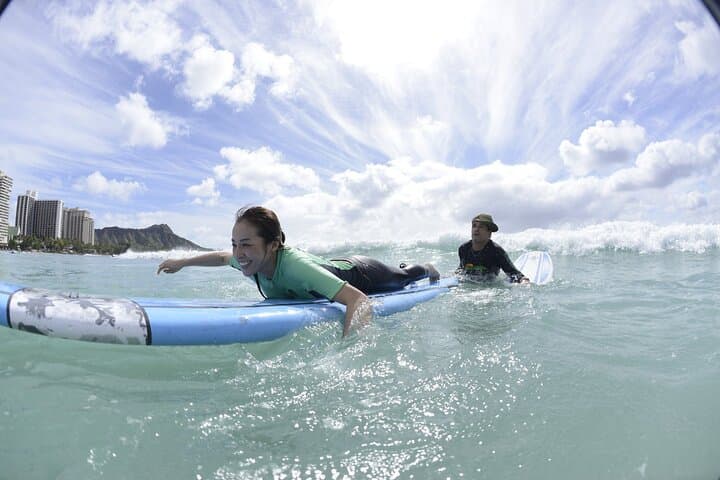
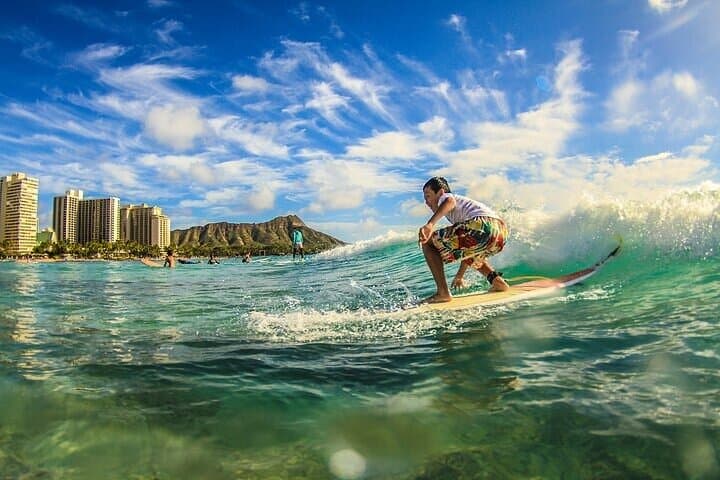
A morning in Waikiki begins with salt on the air and the city’s silhouette softened by surf spray. The lesson starts at a corner shop—Big Wave Dave Surf & Coffee—where instructors check gear and run a land demonstration before walking students across the street to the sand. The ocean here reads like a classroom: gentle reef breaks that reward timing more than brute force, waves that seem to invite rather than intimidate.
Verified experiences and guided adventures in the surrounding area.
Operated by Big Wave Dave Surf & Coffee · Honolulu, Hawaii
A morning in Waikiki begins with salt on the air and the city’s silhouette softened by surf spray. The lesson starts at a corner shop—Big Wave Dave Surf & Coffee—where instructors check gear and run a land demonstration before walking students across the street to the sand. The ocean here reads like a classroom: gentle reef breaks that reward timing more than brute force, waves that seem to invite rather than intimidate.
Waikiki is where modern surfing’s public face was refined; names like Duke Kahanamoku popularized the sport here in the early 20th century. Geologically, Oahu’s south shore is an eroded basalt platform with coral outcrops that shape predictable, learner-friendly waves. Culturally, Waikiki blends visitor services with Hawaiian hospitality—expect aloha in tone and a strong emphasis on ocean safety and respect for marine life.
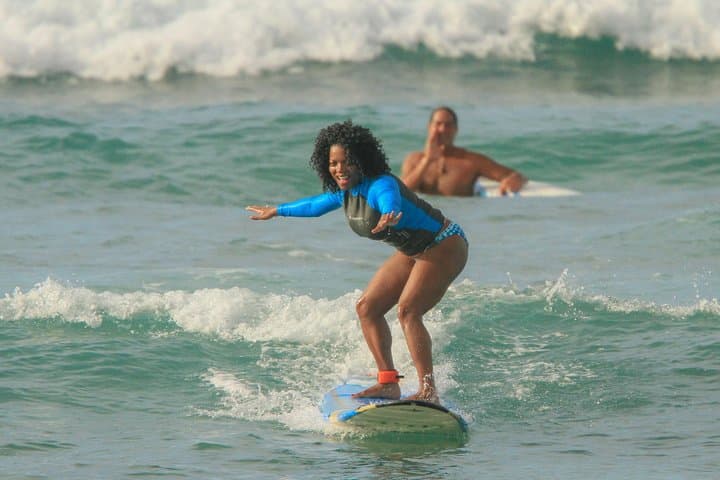
Practical guidance: lessons are about 90 minutes, with a land safety briefing and hands-on coaching in the water. Beginners will practice pop-ups, paddling, and catching small shoulder-to-head-high waves under direct supervision. Arrive 20 minutes early to sign waivers and fit soft-top rental boards if needed.
Timing matters—mornings typically offer smaller, cleaner waves and fewer tour groups. Wear a rash guard, apply reef-safe sunscreen, and hydrate; currents can push you off line and the sun is intense. Instructors tailor progress to ability, so expect a mix of encouragement, repetition, and immediate feedback. By the end, even hesitant first-timers often stand for a few decisive seconds—then paddle back out for another run.
moderate.
1.5 hours (90 minutes).
Suitable for people with moderate fitness; ability to swim and paddle for short bursts is recommended
No. Lessons are designed for all skill levels—beginners learn land skills, paddling, and catching small waves with instructor support.
Bring a swimsuit, towel, reef-safe sunscreen, and a water bottle; most schools provide boards and leashes.
Yes. Waikiki lessons commonly accept children; age minimums vary by operator, so confirm when booking.
Lessons can be canceled for unsafe ocean conditions; standard refund/cancellation policies usually apply, so check the provider’s terms.
Waikiki played a central role in popularizing modern surfing; Honolulu hosted exhibitions by Duke Kahanamoku that introduced the sport worldwide.
Use reef-safe sunscreen, avoid standing on coral, and follow instructors’ guidance to minimize contact with marine life and protect the nearshore ecosystem.
Big Wave Dave Surf & Coffee operates guided outdoor trips and adventures with an emphasis on safety, stewardship, and memorable experiences.
A morning in Waikiki begins with salt on the air and the city’s silhouette softened by surf spray. The lesson starts at a corner shop—Big Wave Dave Surf & Coffee—where instructors check gear and run a land demonstration before walking students across the street to the sand. The ocean here reads like a classroom: gentle reef breaks that reward timing more than brute force, waves that seem to invite rather than intimidate.
A morning in Waikiki begins with salt on the air and the city’s silhouette softened by surf spray. The lesson starts at a corner shop—Big Wave Dave Surf & Coffee—where instructors check gear and run a land demonstration before walking students across the street to the sand. The ocean here reads like a classroom: gentle reef breaks that reward timing more than brute force, waves that seem to invite rather than intimidate.
Waikiki is where modern surfing’s public face was refined; names like Duke Kahanamoku popularized the sport here in the early 20th century. Geologically, Oahu’s south shore is an eroded basalt platform with coral outcrops that shape predictable, learner-friendly waves. Culturally, Waikiki blends visitor services with Hawaiian hospitality—expect aloha in tone and a strong emphasis on ocean safety and respect for marine life.
Practical guidance: lessons are about 90 minutes, with a land safety briefing and hands-on coaching in the water. Beginners will practice pop-ups, paddling, and catching small shoulder-to-head-high waves under direct supervision. Arrive 20 minutes early to sign waivers and fit soft-top rental boards if needed.
Timing matters—mornings typically offer smaller, cleaner waves and fewer tour groups. Wear a rash guard, apply reef-safe sunscreen, and hydrate; currents can push you off line and the sun is intense. Instructors tailor progress to ability, so expect a mix of encouragement, repetition, and immediate feedback. By the end, even hesitant first-timers often stand for a few decisive seconds—then paddle back out for another run.