THE ADVENTURE COLLECTIVE® · Independent discovery and booking for outdoor travel

Learn to surf off Kalama Park with a private instructor who adapts teaching to your skill level. This two-hour lesson combines a short land briefing with guided time in the water, ideal for beginners wanting confident, safe practice.
Learn to surf off Kalama Park with a private instructor who adapts teaching to your skill level. This two-hour lesson combines a short land briefing with guided time in the water, ideal for beginners wanting confident, safe practice.
The sun breaks over a low reef off Kalama Park and the ocean gleams like a challenge. You learn on sand first — a short land lesson on stance, pop-up and ocean safety — then wade into waist-to-chest-deep water where the next wave decides if you’ll stand. In Kihei, the south shore’s gentle beach breaks make Kalama Park ideal for first-time surfers and anyone wanting focused, private instruction.
Verified experiences and guided adventures in the surrounding area.
Operated by Maui Waveriders · Kihei, Hawaii
The sun breaks over a low reef off Kalama Park and the ocean gleams like a challenge. You learn on sand first — a short land lesson on stance, pop-up and ocean safety — then wade into waist-to-chest-deep water where the next wave decides if you’ll stand. In Kihei, the south shore’s gentle beach breaks make Kalama Park ideal for first-time surfers and anyone wanting focused, private instruction.
Surfing here sits on a long Hawaiian history: centuries of wave riding evolved into modern lessons that blend cultural respect with practical technique. Geologically, Maui’s south shore is built of ancient lava flows and sheltered by offshore reefs that soften most swells; that reef both shapes the waves and shelters turtle-rich feeding grounds. The local vibe mixes plantation-era town life with resort energy—shopkeepers, local fishers and instructors who grew up reading the tides.
Expect a compact session: 10–15 minutes of land coaching followed by time in the water with an instructor adapting to your ability. Conditions change by season — summer brings smaller, warmer surf, winter can introduce larger swells elsewhere on the island — but Kalama’s protected shelf usually keeps things manageable. Practical notes: wear reef-safe sunscreen, bring a rash guard, and be honest about your swimming comfort. Lessons generally provide boards, surf shirts and sometimes wetsuits and surf shoes. Morning sessions catch lighter winds and cleaner waves; afternoons can get bumpy as trade winds pick up.
A private lesson here is straightforward, instructive and service-oriented—aimed at turning first attempts into rideable moments while keeping you safe around reefs and marine life.
moderate.
2 hours.
Moderate fitness; able to paddle, stand repeatedly, and handle short swims in waist- to chest-deep water.
Yes—participants should be comfortable in the ocean and able to tread water; instructors support beginners but won’t replace basic swimming skills.
Policies vary by provider, but most schools accept children who are confident swimmers and around 8 years or older; check with the operator for age minimums.
Yes—lessons typically include surfboards, surf shirts, and often surf shoes; wetsuits may be available depending on size and availability.
Lessons may be canceled for safety in high surf or unfavorable conditions; the operator usually offers rescheduling or a full refund if canceled within the stated policy.
Surfing is central to Hawaiian culture; Kalama Park sits on reclaimed coastal land where modern recreational beaches grew alongside traditional fishing practices.
Use reef-safe sunscreen, avoid stepping on coral, and give marine life space; local schools follow practices that minimize impact on reefs and turtles.
Maui Waveriders operates guided outdoor trips and adventures with an emphasis on safety, stewardship, and memorable experiences.
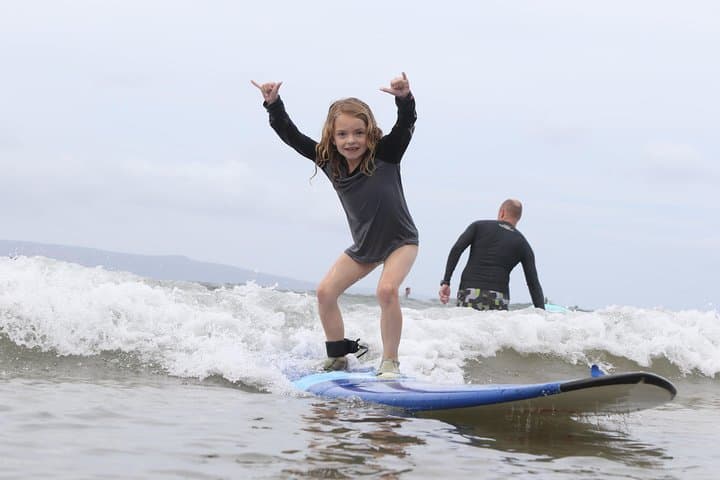
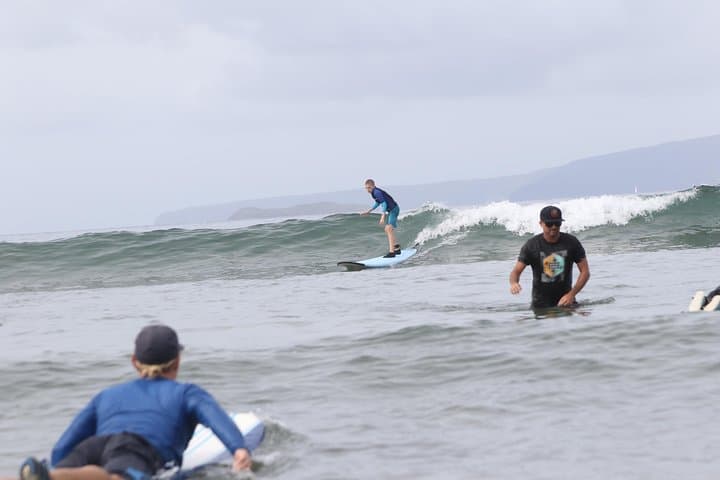
The sun breaks over a low reef off Kalama Park and the ocean gleams like a challenge. You learn on sand first — a short land lesson on stance, pop-up and ocean safety — then wade into waist-to-chest-deep water where the next wave decides if you’ll stand. In Kihei, the south shore’s gentle beach breaks make Kalama Park ideal for first-time surfers and anyone wanting focused, private instruction.
The sun breaks over a low reef off Kalama Park and the ocean gleams like a challenge. You learn on sand first — a short land lesson on stance, pop-up and ocean safety — then wade into waist-to-chest-deep water where the next wave decides if you’ll stand. In Kihei, the south shore’s gentle beach breaks make Kalama Park ideal for first-time surfers and anyone wanting focused, private instruction.
Surfing here sits on a long Hawaiian history: centuries of wave riding evolved into modern lessons that blend cultural respect with practical technique. Geologically, Maui’s south shore is built of ancient lava flows and sheltered by offshore reefs that soften most swells; that reef both shapes the waves and shelters turtle-rich feeding grounds. The local vibe mixes plantation-era town life with resort energy—shopkeepers, local fishers and instructors who grew up reading the tides.
Expect a compact session: 10–15 minutes of land coaching followed by time in the water with an instructor adapting to your ability. Conditions change by season — summer brings smaller, warmer surf, winter can introduce larger swells elsewhere on the island — but Kalama’s protected shelf usually keeps things manageable. Practical notes: wear reef-safe sunscreen, bring a rash guard, and be honest about your swimming comfort. Lessons generally provide boards, surf shirts and sometimes wetsuits and surf shoes. Morning sessions catch lighter winds and cleaner waves; afternoons can get bumpy as trade winds pick up.
A private lesson here is straightforward, instructive and service-oriented—aimed at turning first attempts into rideable moments while keeping you safe around reefs and marine life.