THE ADVENTURE COLLECTIVE® · Independent discovery and booking for outdoor travel

Two hours of focused, one-on-one surf instruction on Oahu’s south shore teaches beginners board control, wave selection and ocean safety. Expect land briefings, paddling drills, repeated wave practice and likely turtle sightings.
Two hours of focused, one-on-one surf instruction on Oahu’s south shore teaches beginners board control, wave selection and ocean safety. Expect land briefings, paddling drills, repeated wave practice and likely turtle sightings.
The morning opens with salt and light: palms shift as the ocean lays out bands of rolling blue, and an instructor meets a single student on a sandy strip chosen that day for the safest, most forgiving waves. The session begins with a concise 10–15 minute land briefing on stance, board control and ocean safety before moving into the water for focused, progressive wave practice over two hours.
Verified experiences and guided adventures in the surrounding area.
Operated by 808 Surf School · Honolulu, Hawaii
The morning opens with salt and light: palms shift as the ocean lays out bands of rolling blue, and an instructor meets a single student on a sandy strip chosen that day for the safest, most forgiving waves. The session begins with a concise 10–15 minute land briefing on stance, board control and ocean safety before moving into the water for focused, progressive wave practice over two hours.
Oahu’s south shore has long been central to Hawaiian surf culture, where ancient board riders traded technique and local knowledge. Geology here — volcanic basalt feeding narrow reef shelves and gentle sandbars — creates the small, consistent waves ideal for beginners learning to pop up and turn. The island’s culture mixes native Hawaiian respect for the sea with a modern surf education system; instructors often point out sea turtles and explain local ocean etiquette during lessons.
Expect practical coaching: paddling drills, timing and positioning, then repeated wave attempts with real-time corrections. Instructors are lifeguard- and Red Cross CPR-certified and supply all equipment, including boards and leashes.
Plan for changing conditions — the instructor chooses the best nearby break each day — and be ready to adapt. Wear a rash guard, apply reef-safe sunscreen, hydrate, and listen closely during the land briefing. For families and first-timers, the private format speeds learning and reduces crowd stress. By the end of two hours the ocean stops being an anonymous mass and instead feels like a series of readable pulses that dare you to ride them.
easy.
2 hours.
Basic swimming ability and moderate upper-body endurance help, but lessons are tailored for beginners and varying fitness levels.
No — these private lessons are designed for beginners; instructors start on land and progress at your pace.
The instructor selects a nearby beach each day based on conditions and will confirm the meeting spot after booking.
Yes — all surf equipment (board, leash, and basic flotation/soft-top options) is provided as part of the lesson.
Possibly — Hawaiian green sea turtles are often sighted inshore; instructors will advise on respectful viewing distance.
Surfing has deep roots in Hawaiian culture, where ancient riders used olo and alaia boards; modern lessons borrow local teachings on respect for the ocean.
Use reef-safe sunscreen, avoid standing on coral, and follow instructor guidance to minimize impact on sensitive nearshore habitats.
808 Surf School operates guided outdoor trips and adventures with an emphasis on safety, stewardship, and memorable experiences.
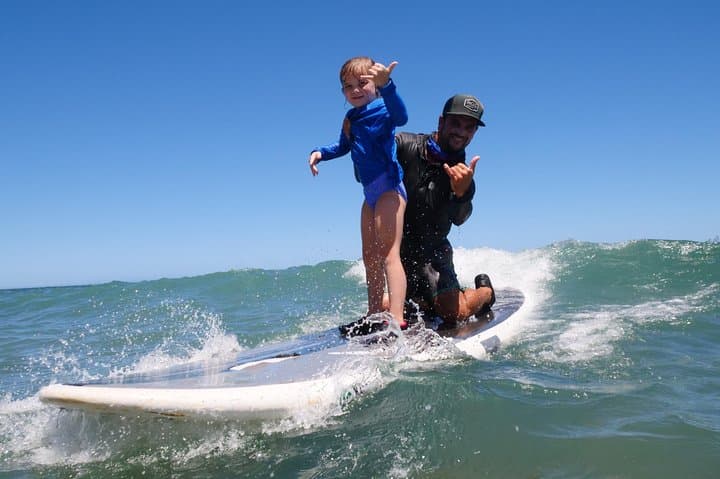
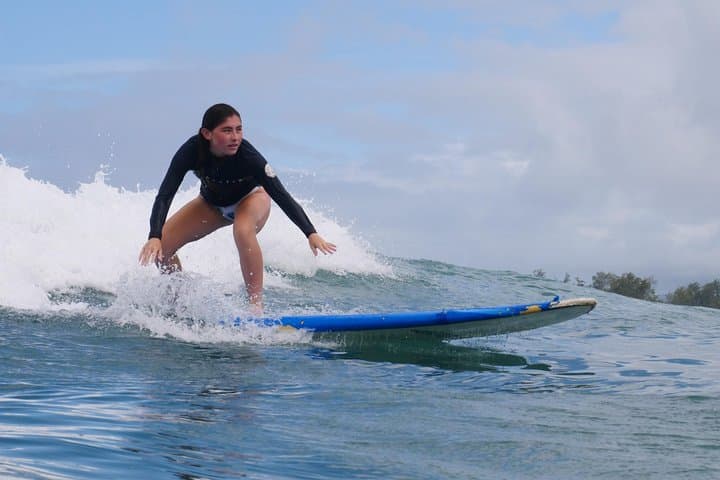
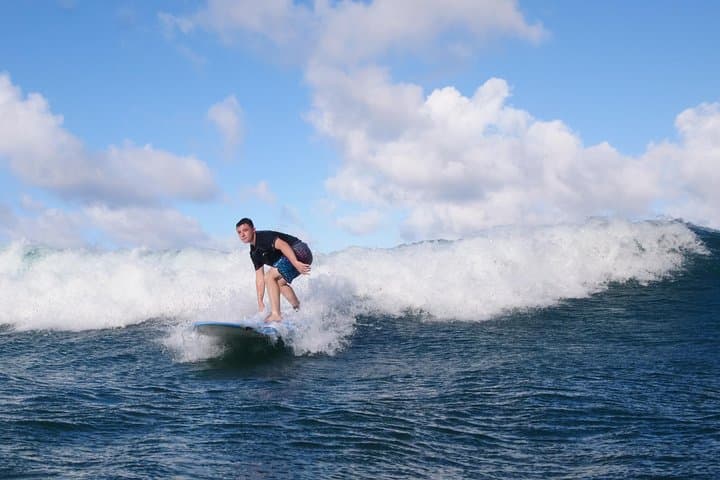
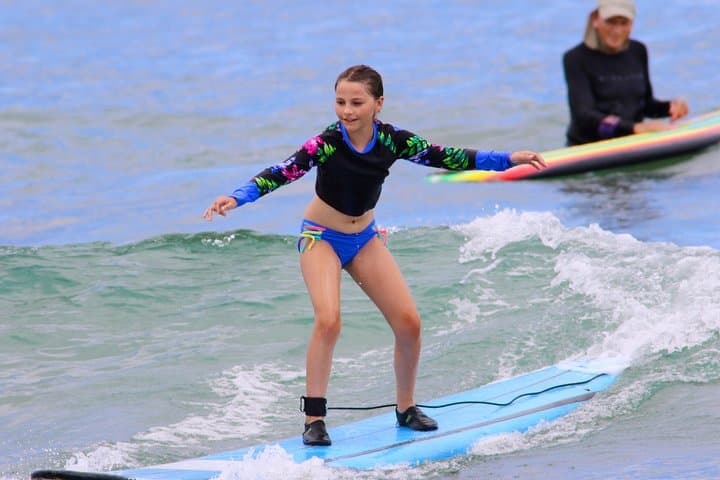
The morning opens with salt and light: palms shift as the ocean lays out bands of rolling blue, and an instructor meets a single student on a sandy strip chosen that day for the safest, most forgiving waves. The session begins with a concise 10–15 minute land briefing on stance, board control and ocean safety before moving into the water for focused, progressive wave practice over two hours.
The morning opens with salt and light: palms shift as the ocean lays out bands of rolling blue, and an instructor meets a single student on a sandy strip chosen that day for the safest, most forgiving waves. The session begins with a concise 10–15 minute land briefing on stance, board control and ocean safety before moving into the water for focused, progressive wave practice over two hours.
Oahu’s south shore has long been central to Hawaiian surf culture, where ancient board riders traded technique and local knowledge. Geology here — volcanic basalt feeding narrow reef shelves and gentle sandbars — creates the small, consistent waves ideal for beginners learning to pop up and turn. The island’s culture mixes native Hawaiian respect for the sea with a modern surf education system; instructors often point out sea turtles and explain local ocean etiquette during lessons.
Expect practical coaching: paddling drills, timing and positioning, then repeated wave attempts with real-time corrections. Instructors are lifeguard- and Red Cross CPR-certified and supply all equipment, including boards and leashes.
Plan for changing conditions — the instructor chooses the best nearby break each day — and be ready to adapt. Wear a rash guard, apply reef-safe sunscreen, hydrate, and listen closely during the land briefing. For families and first-timers, the private format speeds learning and reduces crowd stress. By the end of two hours the ocean stops being an anonymous mass and instead feels like a series of readable pulses that dare you to ride them.