THE ADVENTURE COLLECTIVE® · Independent discovery and booking for outdoor travel

Paddle out from Makena Landing for a private SUP whale-watch—an intimate, low-impact way to see humpbacks along Maui’s Wailea-Makena coast. Guided lessons and small groups make this accessible to beginners and experienced paddlers alike.
Paddle out from Makena Landing for a private SUP whale-watch—an intimate, low-impact way to see humpbacks along Maui’s Wailea-Makena coast. Guided lessons and small groups make this accessible to beginners and experienced paddlers alike.
The ocean in the hour before dawn is a flat sheet of ink; your paddle cuts a clean line toward the low, dark swell. From Makena Landing the water opens quickly—clear blue dropping into deep green—and every exhale of a humpback sounds like a distant drum. On a paddleboard you feel the ocean's timing beneath you: small swells rock your balance, a spout punctuates the horizon, and the whale's presence rearranges the morning.
Verified experiences and guided adventures in the surrounding area.
Operated by Paddle On! Maui Private Tours · Wailea, Hawaii
The ocean in the hour before dawn is a flat sheet of ink; your paddle cuts a clean line toward the low, dark swell. From Makena Landing the water opens quickly—clear blue dropping into deep green—and every exhale of a humpback sounds like a distant drum. On a paddleboard you feel the ocean's timing beneath you: small swells rock your balance, a spout punctuates the horizon, and the whale's presence rearranges the morning.
This coastline is volcanic in origin—lava flows from Haleakalā and older vents sculpted the broad black-rock shore and sheltered coves that whales use as a winter nursery. The area is part of the Hawaiian Islands Humpback Whale National Marine Sanctuary, a modern protection rooted in a long cultural relationship between Hawaiian communities and the sea. Local guides bring not only safety skills but context: where the whales traverse, where the currents run, and why low-impact viewing matters.
Expect a guided lesson, steady paddling in nearshore water, and restrictions on how close you get to marine mammals; the guide manages approach angles and drift so you can watch without disturbing. Practical prep matters—reef-safe sunscreen, a secure leash, and a dry bag for a phone. Mornings are calmer and visibility better; bring a light windbreaker for the return. The experience is intimate: nothing between you and the animal but water, and the marine world willing to reveal itself on its own terms.
moderate.
2 hours.
Suitable for people with moderate fitness who can paddle and balance for short periods; tours include instruction to help beginners.
Yes—tours include a lesson and are designed for mixed skill levels; guides stick close and pace the trip to group ability.
Whales are most abundant in Maui from December through April, which is the peak breeding and calving season.
Wear quick-dry clothing or a swimsuit, a light long-sleeve for sun protection, and bring a windbreaker for cooler mornings; water shoes are optional.
Full refunds are typically available if you cancel at least 24 hours before departure; tours may also be canceled for bad weather.
The Wailea–Makena coastline is within the Hawaiian Islands Humpback Whale National Marine Sanctuary and sits on lava-formed shores shaped by Haleakalā eruptions; local communities have long seasonal ties to the sea.
Tours operate with low-impact practices—guides enforce approach distances, encourage reef-safe sunscreen, and support sanctuary rules to reduce disturbance to whales and coral.
Paddle On! Maui Private Tours operates guided outdoor trips and adventures with an emphasis on safety, stewardship, and memorable experiences.
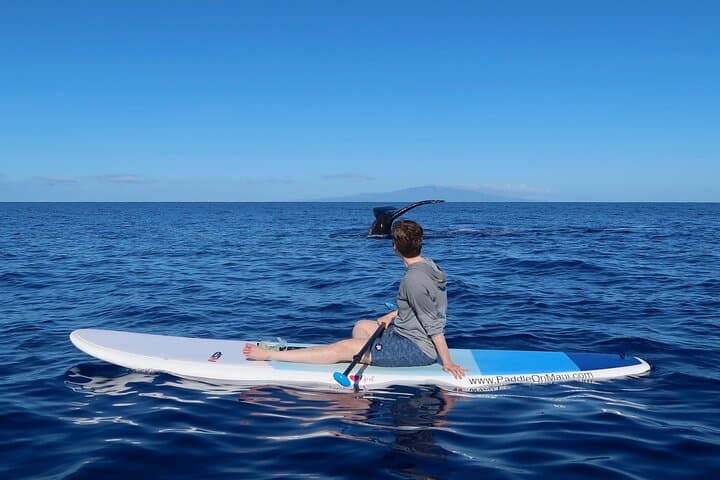
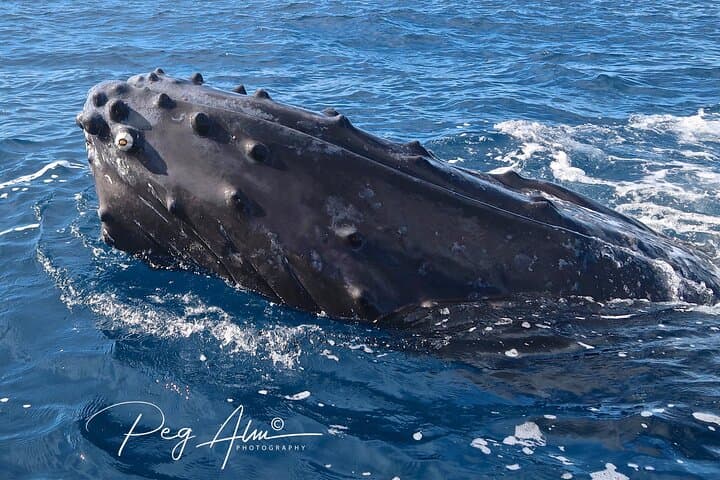
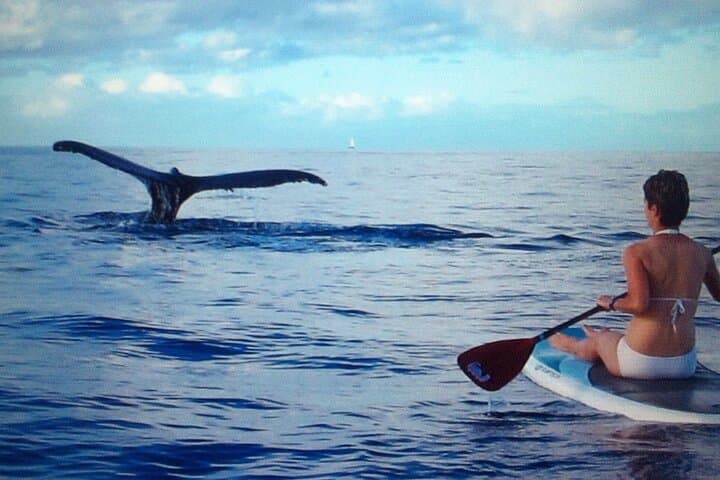
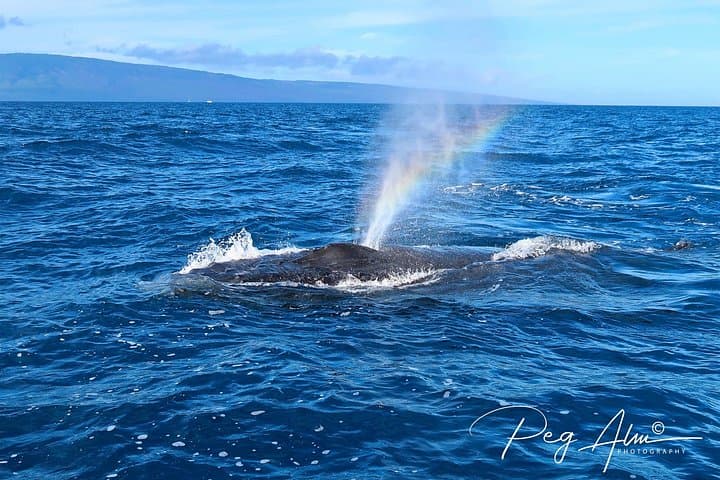
The ocean in the hour before dawn is a flat sheet of ink; your paddle cuts a clean line toward the low, dark swell. From Makena Landing the water opens quickly—clear blue dropping into deep green—and every exhale of a humpback sounds like a distant drum. On a paddleboard you feel the ocean's timing beneath you: small swells rock your balance, a spout punctuates the horizon, and the whale's presence rearranges the morning.
The ocean in the hour before dawn is a flat sheet of ink; your paddle cuts a clean line toward the low, dark swell. From Makena Landing the water opens quickly—clear blue dropping into deep green—and every exhale of a humpback sounds like a distant drum. On a paddleboard you feel the ocean's timing beneath you: small swells rock your balance, a spout punctuates the horizon, and the whale's presence rearranges the morning.
This coastline is volcanic in origin—lava flows from Haleakalā and older vents sculpted the broad black-rock shore and sheltered coves that whales use as a winter nursery. The area is part of the Hawaiian Islands Humpback Whale National Marine Sanctuary, a modern protection rooted in a long cultural relationship between Hawaiian communities and the sea. Local guides bring not only safety skills but context: where the whales traverse, where the currents run, and why low-impact viewing matters.
Expect a guided lesson, steady paddling in nearshore water, and restrictions on how close you get to marine mammals; the guide manages approach angles and drift so you can watch without disturbing. Practical prep matters—reef-safe sunscreen, a secure leash, and a dry bag for a phone. Mornings are calmer and visibility better; bring a light windbreaker for the return. The experience is intimate: nothing between you and the animal but water, and the marine world willing to reveal itself on its own terms.