THE ADVENTURE COLLECTIVE® · Independent discovery and booking for outdoor travel

Settle onto a traditional dhow and watch Kendwa and Nungwi pass by as the Indian Ocean ignites at sunset. This private 3–4 hour sail pairs local seamanship with snacks, drinks and coastal views—ideal for a relaxed celebration or a photography-focused evening.
Settle onto a traditional dhow and watch Kendwa and Nungwi pass by as the Indian Ocean ignites at sunset. This private 3–4 hour sail pairs local seamanship with snacks, drinks and coastal views—ideal for a relaxed celebration or a photography-focused evening.
You step aboard as late afternoon light softens over the Indian Ocean; the dhow’s wooden hull rocks with an easy, confident rhythm and the crew trims the traditional lateen sail. The shoreline of Kendwa and Nungwi slides past—white sand, low coral rock, and fishing boats returning with the day's catch—while the sun lowers toward the horizon and the water turns molten gold.
Verified experiences and guided adventures in the surrounding area.
Operated by Zanzibar Dhow · Nungwi, Zanzibar
You step aboard as late afternoon light softens over the Indian Ocean; the dhow’s wooden hull rocks with an easy, confident rhythm and the crew trims the traditional lateen sail. The shoreline of Kendwa and Nungwi slides past—white sand, low coral rock, and fishing boats returning with the day's catch—while the sun lowers toward the horizon and the water turns molten gold.
Zanzibar’s dhows are heirs to centuries of Indian Ocean trade: Arab, Persian and Swahili sailors once used these same hull forms to link islands, ports and cultures. Geologically the coast is built on a fringing reef of living coral and raised limestone; the shallow ledges near shore cast turquoise pools that change color with the tide. Locally, life still centers on fishing and boatbuilding—watch crews work with hand tools at village slips and you’re seeing a tradition as functional as it is beautiful.
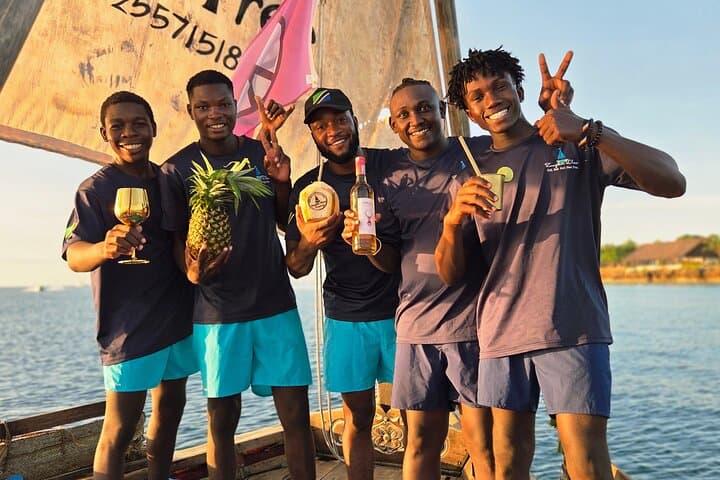
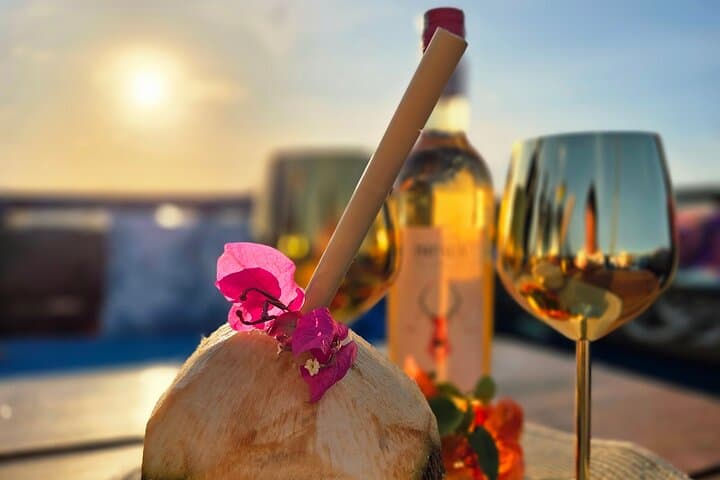
Practically, plan for a 3–4 hour window that hits the last hour of daylight; pickup from Kendwa or Nungwi is usually included. Bring reef-safe sunscreen, a light wind layer for after sunset, and a small dry bag for phones and cameras. Expect calm-to-moderate seas; the trip is suitable for most fitness levels but can be wet on the windward side—consider seasickness prevention if you’re sensitive. Snacks, bottled water and a glass of wine or beer are provided, and the crew can tailor the voyage for celebrations or quieter photography runs.
Leave no trace: avoid standing on shallow coral, take any trash back to shore, and ask before photographing locals. Done well, a dusk dhow sail is part ritual, part coastal survey—a clean, simple way to meet Zanzibar’s sea and sky.
easy.
3–4 hours.
Suitable for most fitness levels; guests should be able to step on and off a low boarding ramp and stand or sit for extended periods.
Typical private cruises run about 3–4 hours, timed to include the sunset and an easy return to shore.
Pickup and drop-off from hotels in Kendwa or Nungwi are normally included—confirm your pickup point when booking.
Yes—bottled water, soft drinks, snacks and a choice of beer or wine are included; special requests can usually be arranged in advance.
The activity is physically easy but not recommended for infants under two; infants may be required to sit on an adult’s lap per operator policy.
Dhows embody centuries of Swahili and Indian Ocean maritime trade—local boatbuilding techniques and sailing knowledge are cultural continuities in northern Zanzibar.
Respect reef areas by not standing on coral, use reef-safe sun care, and avoid single-use plastics; local operators increasingly support marine protection initiatives.
Zanzibar Dhow operates guided outdoor trips and adventures with an emphasis on safety, stewardship, and memorable experiences.
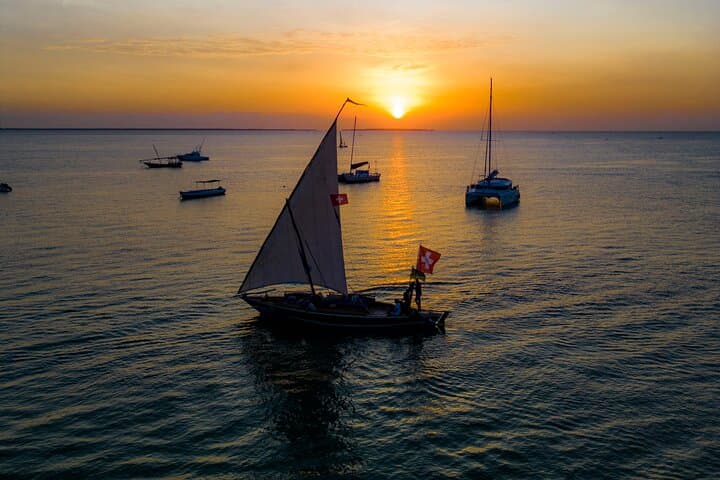
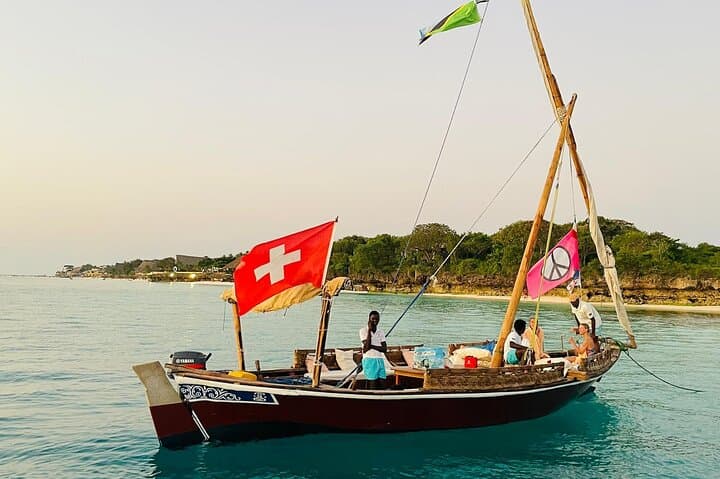
You step aboard as late afternoon light softens over the Indian Ocean; the dhow’s wooden hull rocks with an easy, confident rhythm and the crew trims the traditional lateen sail. The shoreline of Kendwa and Nungwi slides past—white sand, low coral rock, and fishing boats returning with the day's catch—while the sun lowers toward the horizon and the water turns molten gold.
You step aboard as late afternoon light softens over the Indian Ocean; the dhow’s wooden hull rocks with an easy, confident rhythm and the crew trims the traditional lateen sail. The shoreline of Kendwa and Nungwi slides past—white sand, low coral rock, and fishing boats returning with the day's catch—while the sun lowers toward the horizon and the water turns molten gold.
Zanzibar’s dhows are heirs to centuries of Indian Ocean trade: Arab, Persian and Swahili sailors once used these same hull forms to link islands, ports and cultures. Geologically the coast is built on a fringing reef of living coral and raised limestone; the shallow ledges near shore cast turquoise pools that change color with the tide. Locally, life still centers on fishing and boatbuilding—watch crews work with hand tools at village slips and you’re seeing a tradition as functional as it is beautiful.
Practically, plan for a 3–4 hour window that hits the last hour of daylight; pickup from Kendwa or Nungwi is usually included. Bring reef-safe sunscreen, a light wind layer for after sunset, and a small dry bag for phones and cameras. Expect calm-to-moderate seas; the trip is suitable for most fitness levels but can be wet on the windward side—consider seasickness prevention if you’re sensitive. Snacks, bottled water and a glass of wine or beer are provided, and the crew can tailor the voyage for celebrations or quieter photography runs.
Leave no trace: avoid standing on shallow coral, take any trash back to shore, and ask before photographing locals. Done well, a dusk dhow sail is part ritual, part coastal survey—a clean, simple way to meet Zanzibar’s sea and sky.