THE ADVENTURE COLLECTIVE® · Independent discovery and booking for outdoor travel

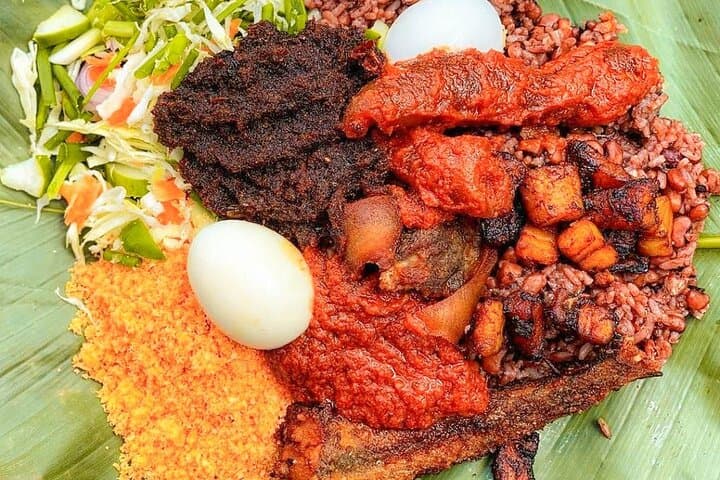
Taste Ghana in the streets of Accra: a 1–2 hour private walking tour that pairs classic bites—banku, red-red, kenkey—with local stories and market life. Perfect for first-time visitors who want an efficient, flavorful introduction to Ghanaian cuisine.
Taste Ghana in the streets of Accra: a 1–2 hour private walking tour that pairs classic bites—banku, red-red, kenkey—with local stories and market life. Perfect for first-time visitors who want an efficient, flavorful introduction to Ghanaian cuisine.
The air on an Accra street hums with vendors’ calls, charcoal smoke, and the bright citrus of freshly squeezed ginger juice. Walk with a local guide and you move through clusters of food stalls where kettles steam, palm oil glows red, and the rhythm of the city pushes the meal forward.
Verified experiences and guided adventures in the surrounding area.
Operated by Golden Leaf Transportation and Tourism · Accra, Greater Accra Region
The air on an Accra street hums with vendors’ calls, charcoal smoke, and the bright citrus of freshly squeezed ginger juice. Walk with a local guide and you move through clusters of food stalls where kettles steam, palm oil glows red, and the rhythm of the city pushes the meal forward.
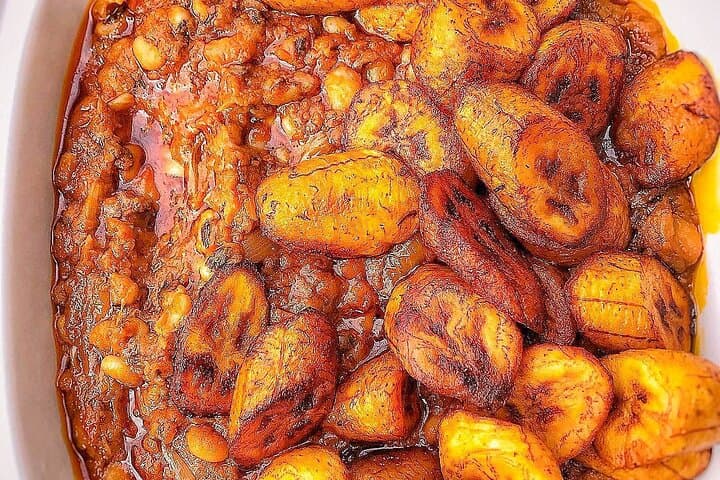
Ghana’s coastal plain along the Gulf of Guinea shaped these flavors: coastal fish like tilapia, hardy cassava and maize staples, and recipes refined through Ga and Fante families and colonial trade routes. You’ll hear how Red-Red evolved from everyday ingredients into a comfort dish, and why kenkey varies between Ga and Fante preparations.
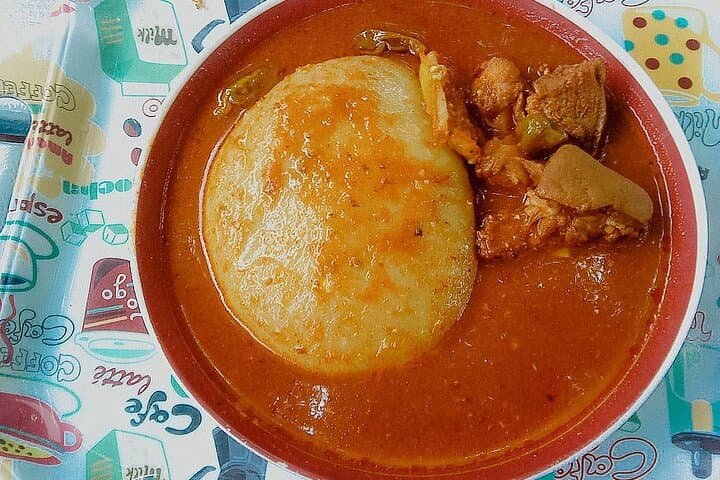
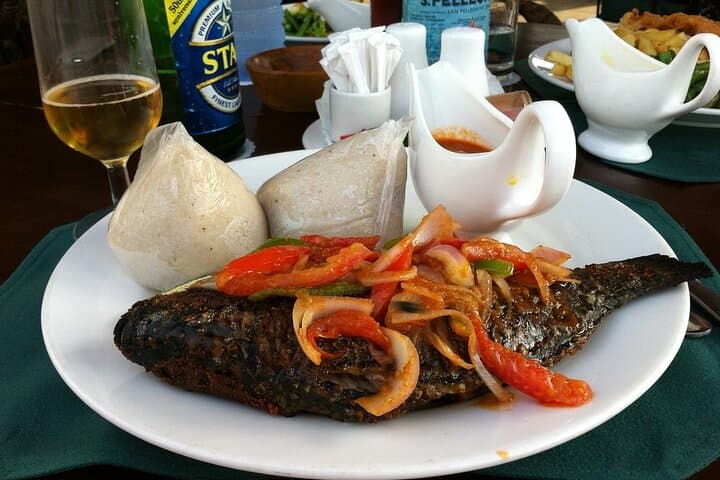
The tour is as much cultural history as tasting — markets that served traders for centuries, cooking techniques passed down in courtyard kitchens, and the social role of street food in daily Accra life. Expect a mix of sweet, sour, and fiery: banku with pepper sauce, fufu with light soup, and handheld snacks sold from scooped-out wooden bowls.
Practical guidance: book morning or early evening to avoid hottest hours and the busiest traffic. Bring cash in small notes (some stalls don’t accept cards) and mention dietary restrictions when you book—guides can adjust tastings. Wear closed-toe shoes for crowded streets, carry water, and use hand sanitizer between tastings. The route is suitable for most mobility levels and can be adapted for wheelchair users when notified in advance.
A short, focused tour like this is ideal for travelers who want a concentrated introduction to Ghanaian street cuisine without wandering off the beaten path.
easy.
1–2 hours.
Suitable for most fitness levels; requires short walking on city sidewalks and standing while sampling food.
Yes — the tour includes a curated selection of tastings designed to introduce you to iconic Ghanaian street foods.
Yes — the operator asks for special requirements at booking and can adjust stops where possible, but indicate needs in advance.
Meeting instructions are provided at booking confirmation; locations are usually central Accra pickup points or a designated market entrance.
The tour listing states wheelchair accessibility; notify the operator when booking so the route can be adapted.
Accra’s street-food culture reflects Ga and Fante culinary traditions and centuries of coastal trade; many recipes trace back to local staples like cassava and maize.
Choose vendors that minimize single-use plastics and bring a reusable bottle or utensils; supporting local stalls directly helps sustain small-scale food economies.
Golden Leaf Transportation and Tourism operates guided outdoor trips and adventures with an emphasis on safety, stewardship, and memorable experiences.
The air on an Accra street hums with vendors’ calls, charcoal smoke, and the bright citrus of freshly squeezed ginger juice. Walk with a local guide and you move through clusters of food stalls where kettles steam, palm oil glows red, and the rhythm of the city pushes the meal forward.
The air on an Accra street hums with vendors’ calls, charcoal smoke, and the bright citrus of freshly squeezed ginger juice. Walk with a local guide and you move through clusters of food stalls where kettles steam, palm oil glows red, and the rhythm of the city pushes the meal forward.
Ghana’s coastal plain along the Gulf of Guinea shaped these flavors: coastal fish like tilapia, hardy cassava and maize staples, and recipes refined through Ga and Fante families and colonial trade routes. You’ll hear how Red-Red evolved from everyday ingredients into a comfort dish, and why kenkey varies between Ga and Fante preparations.
The tour is as much cultural history as tasting — markets that served traders for centuries, cooking techniques passed down in courtyard kitchens, and the social role of street food in daily Accra life. Expect a mix of sweet, sour, and fiery: banku with pepper sauce, fufu with light soup, and handheld snacks sold from scooped-out wooden bowls.
Practical guidance: book morning or early evening to avoid hottest hours and the busiest traffic. Bring cash in small notes (some stalls don’t accept cards) and mention dietary restrictions when you book—guides can adjust tastings. Wear closed-toe shoes for crowded streets, carry water, and use hand sanitizer between tastings. The route is suitable for most mobility levels and can be adapted for wheelchair users when notified in advance.
A short, focused tour like this is ideal for travelers who want a concentrated introduction to Ghanaian street cuisine without wandering off the beaten path.