THE ADVENTURE COLLECTIVE® · Independent discovery and booking for outdoor travel

Leave the cruise crowds behind on a private transfer from Southampton to Stonehenge. This guided excursion gives you two hours at the UNESCO site plus context at the visitor center, with flexible timing and fewer interruptions.
Leave the cruise crowds behind on a private transfer from Southampton to Stonehenge. This guided excursion gives you two hours at the UNESCO site plus context at the visitor center, with flexible timing and fewer interruptions.
You arrive across the low Wiltshire plain under a wide, cool sky. Wind moves through the grass and carries the soft scrape of footsteps as your private guide leads you down the approach toward the stone circle. Up close the sarsen blocks are massive and mute, but their placement feels deliberate, like a map of the sky carved into earth.
Verified experiences and guided adventures in the surrounding area.
Operated by Best UK Tours · Amesbury, Wiltshire
You arrive across the low Wiltshire plain under a wide, cool sky. Wind moves through the grass and carries the soft scrape of footsteps as your private guide leads you down the approach toward the stone circle. Up close the sarsen blocks are massive and mute, but their placement feels deliberate, like a map of the sky carved into earth.
Stonehenge sits on Salisbury Plain — a chalk landscape shaped by ancient seas and millennia of human hands. Built in phases between around 3000–1500 BCE, the circle, nearby barrows and the adjacent Durrington Walls tell a story of burial, astronomy and communal ritual. Geologically, the local sarsen stones are hard silcrete left from older landscapes; the bluestones came from the Preseli Hills in Wales, a logistical feat that still sparks debate.
Culturally, the site has long drawn seasonal attention — solstices remain a living tradition and modern visitor routes mirror old approaches. Local insight: quieter moments come in the shoulder seasons and early afternoon after coach tours leave.
Practical guidance: this private seven-hour excursion from Southampton combines driving with two hours at the monument and time in the visitor center. Expect uneven paths, short uphill sections and opportunities to use audio or guided interpretation rather than physical access to the stones themselves. Bring layered clothing for rapidly changing wind and sun on the exposed plain, a water bottle, and comfortable shoes with good tread. If you want fewer people in your photographs, ask the guide about timing your visit toward midweek arrivals or late afternoon slots. The experience rewards patience: standing at the circle, the plain seems to breathe around you.
moderate.
7 hours.
Moderate fitness: able to walk over uneven ground and stand for extended periods
The itinerary includes about two hours at Stonehenge, plus time at the visitor center and driving from Southampton, totaling roughly seven hours.
General access places visitors on the path around the monument; touching or entering the inner circle is restricted except during special access events.
This private excursion usually includes transportation and guiding; check the booking details—Stonehenge admission can be included or arranged separately depending on the operator.
Children are welcome, but the site involves short walks on uneven ground; travelers with limited mobility should inform the operator in advance to arrange appropriate assistance and pickup points.
Stonehenge was constructed in stages between roughly 3000–1500 BCE and forms part of a linked complex of Neolithic and Bronze Age monuments across Salisbury Plain.
Stonehenge is a UNESCO World Heritage Site with strict visitor management to protect fragile archaeology; staying on paths and following guide instructions helps preserve the site.
Best UK Tours operates guided outdoor trips and adventures with an emphasis on safety, stewardship, and memorable experiences.
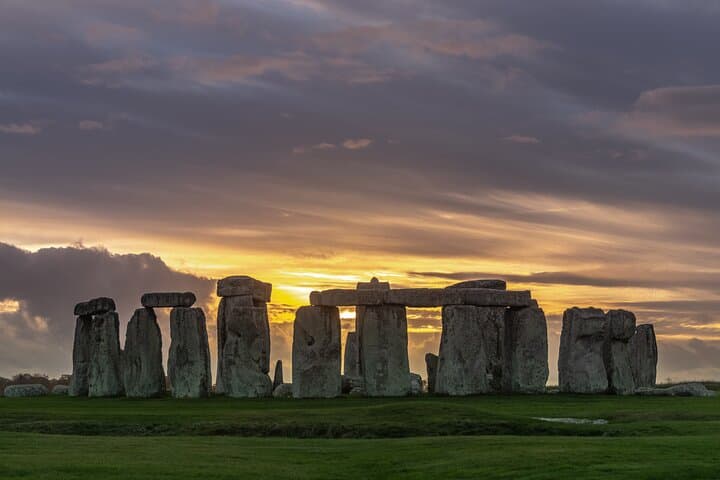
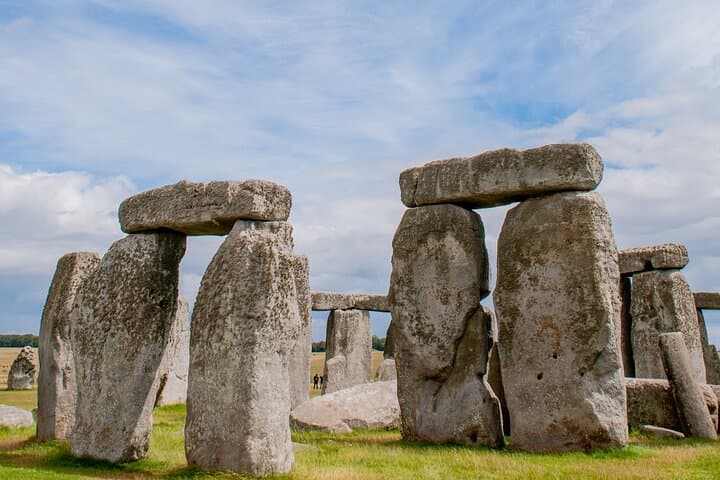
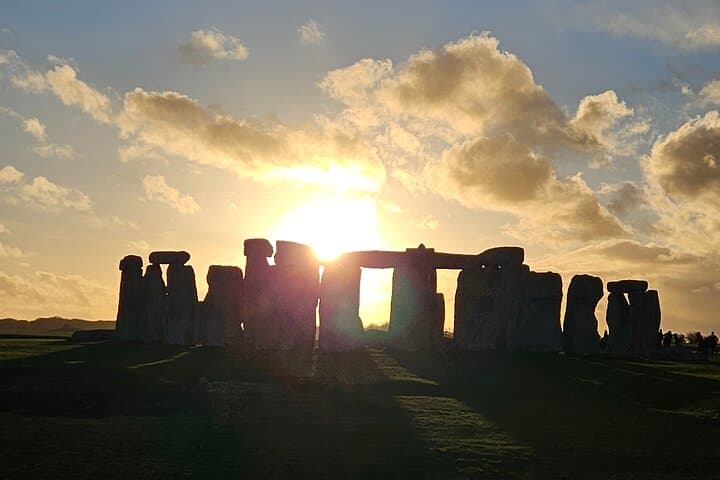
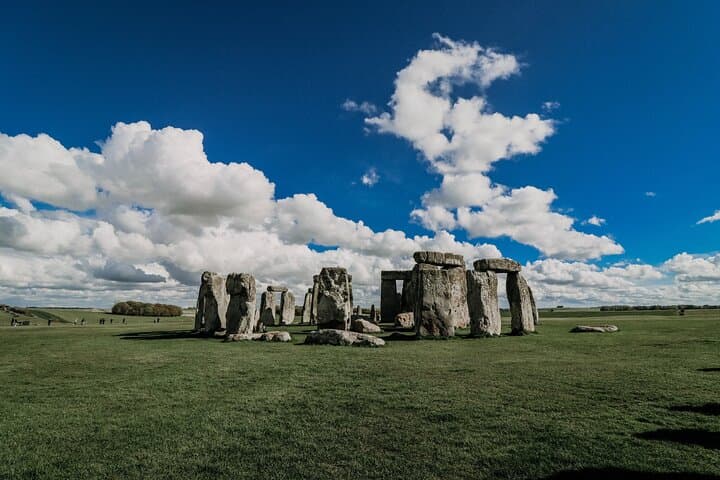
You arrive across the low Wiltshire plain under a wide, cool sky. Wind moves through the grass and carries the soft scrape of footsteps as your private guide leads you down the approach toward the stone circle. Up close the sarsen blocks are massive and mute, but their placement feels deliberate, like a map of the sky carved into earth.
You arrive across the low Wiltshire plain under a wide, cool sky. Wind moves through the grass and carries the soft scrape of footsteps as your private guide leads you down the approach toward the stone circle. Up close the sarsen blocks are massive and mute, but their placement feels deliberate, like a map of the sky carved into earth.
Stonehenge sits on Salisbury Plain — a chalk landscape shaped by ancient seas and millennia of human hands. Built in phases between around 3000–1500 BCE, the circle, nearby barrows and the adjacent Durrington Walls tell a story of burial, astronomy and communal ritual. Geologically, the local sarsen stones are hard silcrete left from older landscapes; the bluestones came from the Preseli Hills in Wales, a logistical feat that still sparks debate.
Culturally, the site has long drawn seasonal attention — solstices remain a living tradition and modern visitor routes mirror old approaches. Local insight: quieter moments come in the shoulder seasons and early afternoon after coach tours leave.
Practical guidance: this private seven-hour excursion from Southampton combines driving with two hours at the monument and time in the visitor center. Expect uneven paths, short uphill sections and opportunities to use audio or guided interpretation rather than physical access to the stones themselves. Bring layered clothing for rapidly changing wind and sun on the exposed plain, a water bottle, and comfortable shoes with good tread. If you want fewer people in your photographs, ask the guide about timing your visit toward midweek arrivals or late afternoon slots. The experience rewards patience: standing at the circle, the plain seems to breathe around you.