THE ADVENTURE COLLECTIVE® · Independent discovery and booking for outdoor travel

Drive the Adriatic coast from Dubrovnik to Ston and Pelješac for medieval walls, live oyster farms and family-run wineries. This private day trip blends coastal scenery and guided tastings with short walks through historic streets.
Drive the Adriatic coast from Dubrovnik to Ston and Pelješac for medieval walls, live oyster farms and family-run wineries. This private day trip blends coastal scenery and guided tastings with short walks through historic streets.
The road peels away from Dubrovnik and the Adriatic opens like an old map — blue, serrated with islands, the Elaphiti glinting on the horizon. By midmorning the van threads narrow coastal turns, arriving in Ston where salt pans flatten into the sea and a medieval wall climbs the ridge, crude limestone blocks catching the sun.
Verified experiences and guided adventures in the surrounding area.
Operated by Super Transfer Services · Ston, Dubrovnik-Neretva County
The road peels away from Dubrovnik and the Adriatic opens like an old map — blue, serrated with islands, the Elaphiti glinting on the horizon. By midmorning the van threads narrow coastal turns, arriving in Ston where salt pans flatten into the sea and a medieval wall climbs the ridge, crude limestone blocks catching the sun.
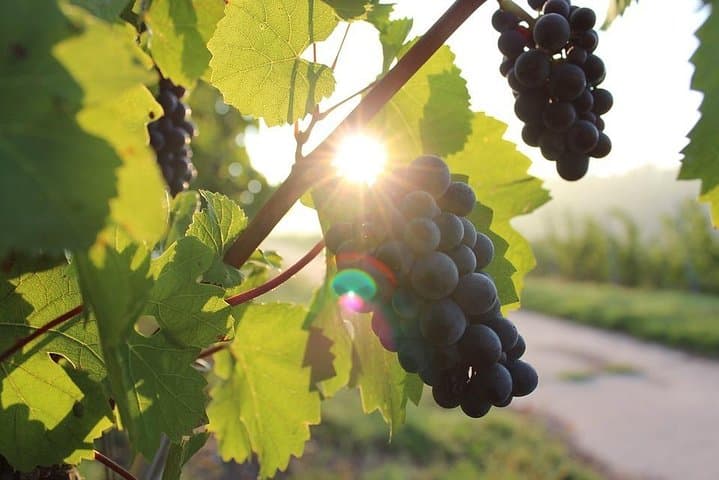
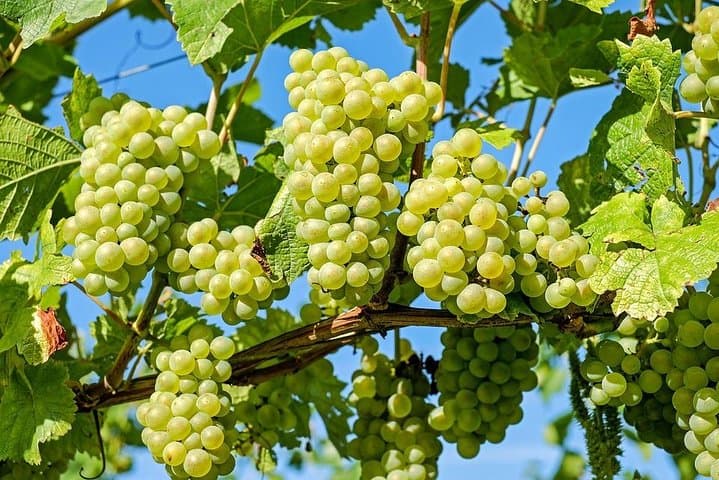
Ston’s walls date to the 14th century, built to protect salt works that financed Dalmatian city-states. Geologically, Pelješac is a karst peninsula: limestone ridges, scrubby maquis and terraces where vines cling to thin soil. The peninsula’s microclimate — maritime breezes and long, sun-rich summers — gave rise to plavac mali and other indigenous grape varieties that shape Pelješac’s wine identity.
Visitors move from village cellars to sea-level oyster farms in Mali Ston, where brackish currents and historical salt fields create conditions for fleshy oysters and mussels. Along the route expect short walks on cobbled streets, winery tastings at family-run estates, and panoramic viewpoints over the Pelješac channel.
Practical guidance: this is a full-day private tour (about 8 hours). Wear comfortable walking shoes for uneven streets, bring sun protection and a light layer for coastal breezes. Hydrate between tastings and plan for acidic or shellfish-rich lunches if sampling oysters. Pickup and drop-off from Dubrovnik hotels minimizes logistics; parking and tasting fees are typically handled by the operator. For timing, morning departures avoid the hottest midday sun and leave time for relaxed tastings and a final stroll along Ston’s salt pans before returning to Dubrovnik.
easy.
8 hours.
Suitable for most fitness levels — mostly seated travel with short, low-impact walks on cobbles and winery terraces
The tour is approximately 8 hours and typically includes transport from Dubrovnik, a driver/guide, visits to three wineries with tastings, and stops in Ston; check the booking page for exact inclusions.
Yes — non-drinkers and children can still join; operators usually accommodate by offering soft drinks and focusing on the cultural and scenic parts of the itinerary.
Inform the operator at booking about allergies or dietary needs; local restaurants and wineries can often adapt menus, but advance notice is essential.
Walking is light — short strolls on cobbled streets and vineyard paths; however, cobbles and uneven surfaces may be challenging for guests with limited mobility.
Ston’s walls were expanded in the 14th century to protect lucrative salt pans; Pelješac has cultivated vines for centuries, producing varieties like plavac mali that shaped Dalmatian wine culture.
Local oyster farms and salt pans are tied to coastal habitat health; visitors should avoid disturbing marine life and respect private vineyard terraces.
Super Transfer Services operates guided outdoor trips and adventures with an emphasis on safety, stewardship, and memorable experiences.

The road peels away from Dubrovnik and the Adriatic opens like an old map — blue, serrated with islands, the Elaphiti glinting on the horizon. By midmorning the van threads narrow coastal turns, arriving in Ston where salt pans flatten into the sea and a medieval wall climbs the ridge, crude limestone blocks catching the sun.
The road peels away from Dubrovnik and the Adriatic opens like an old map — blue, serrated with islands, the Elaphiti glinting on the horizon. By midmorning the van threads narrow coastal turns, arriving in Ston where salt pans flatten into the sea and a medieval wall climbs the ridge, crude limestone blocks catching the sun.
Ston’s walls date to the 14th century, built to protect salt works that financed Dalmatian city-states. Geologically, Pelješac is a karst peninsula: limestone ridges, scrubby maquis and terraces where vines cling to thin soil. The peninsula’s microclimate — maritime breezes and long, sun-rich summers — gave rise to plavac mali and other indigenous grape varieties that shape Pelješac’s wine identity.
Visitors move from village cellars to sea-level oyster farms in Mali Ston, where brackish currents and historical salt fields create conditions for fleshy oysters and mussels. Along the route expect short walks on cobbled streets, winery tastings at family-run estates, and panoramic viewpoints over the Pelješac channel.
Practical guidance: this is a full-day private tour (about 8 hours). Wear comfortable walking shoes for uneven streets, bring sun protection and a light layer for coastal breezes. Hydrate between tastings and plan for acidic or shellfish-rich lunches if sampling oysters. Pickup and drop-off from Dubrovnik hotels minimizes logistics; parking and tasting fees are typically handled by the operator. For timing, morning departures avoid the hottest midday sun and leave time for relaxed tastings and a final stroll along Ston’s salt pans before returning to Dubrovnik.