THE ADVENTURE COLLECTIVE® · Independent discovery and booking for outdoor travel

Spend a private day exploring Stockholm’s Old Town, City Hall, the Vasa Museum and panoramic viewpoints. This seven‑hour guided itinerary combines maritime history with sweeping city and archipelago vistas.
Spend a private day exploring Stockholm’s Old Town, City Hall, the Vasa Museum and panoramic viewpoints. This seven‑hour guided itinerary combines maritime history with sweeping city and archipelago vistas.
Morning light catches the copper roofs of Gamla Stan as a small private group slips onto cobblestones, guided through alleys that still remember merchants, masons and royal processions.
Verified experiences and guided adventures in the surrounding area.
Operated by Y GO SHUTTLE · Stockholm, Stockholm County
Morning light catches the copper roofs of Gamla Stan as a small private group slips onto cobblestones, guided through alleys that still remember merchants, masons and royal processions.
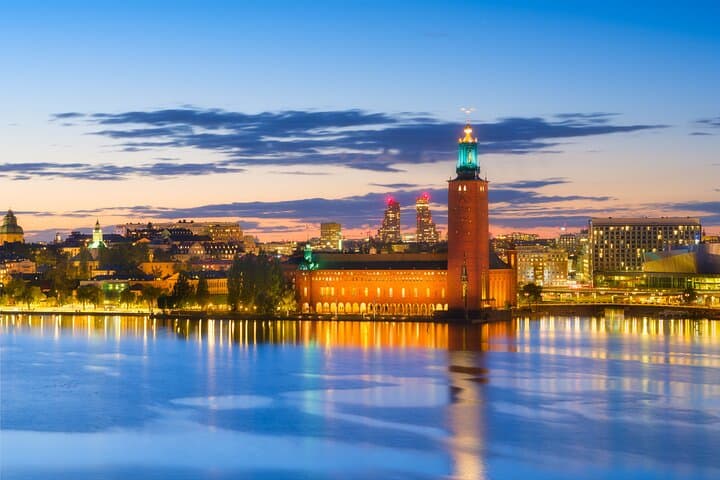
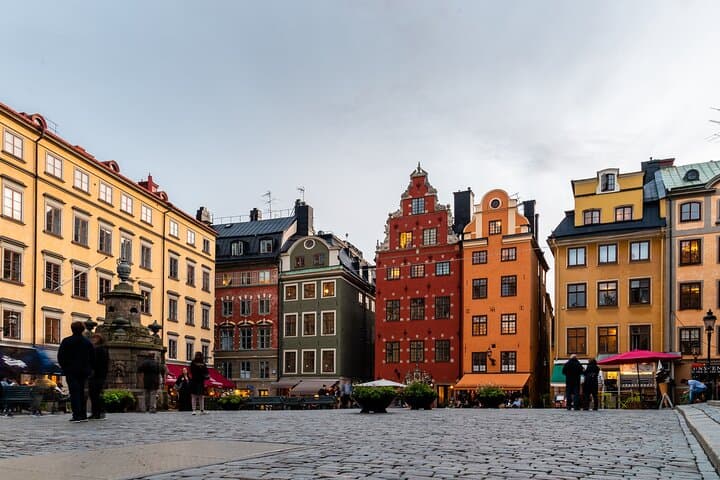
The tour opens in Stockholm’s Old Town, where 13th–17th century facades and narrow squares frame the Royal Palace and the Nobel Museum’s exhibits on ideas that shaped modern history. A short drive brings you to City Hall — Gustavian granite and red brick meeting the waters of Lake Mälaren — then on to the Vasa Museum to stand face-to-face with a 17th‑century warship that drowned and was salvaged centuries later, its timbers preserving a time of empire, trade and seafaring craft.
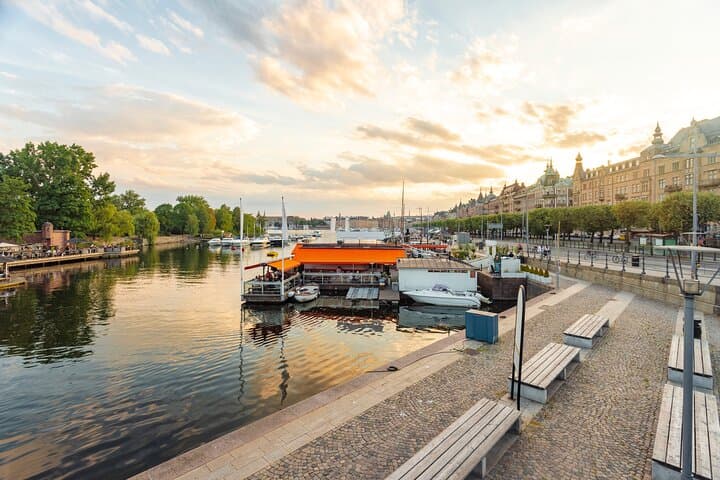
Geologically, Stockholm sits on ancient Baltic Shield granite, punctuated by islands shaped by glacial action and post‑glacial rebound; the city’s lines of sight open to the archipelago where sea and sky test the horizon.
Culturally, the route threads modern Swedish design and civic pride with centuries of maritime history. Guides often point out Skansen’s open‑air exhibits and Södermalm’s working‑class roots before the climb to Fjällgatan’s rooftop view.
Practical guidance: wear supportive walking shoes for uneven stone, bring a weather layer — conditions change fast near the water — and plan lunch at the Vasa café or a nearby bistro. Allow roughly seven hours for a relaxed pace, and book entrance tickets in advance if you prefer to skip lines. For photographers, late afternoon light over the archipelago is best; for quieter streets, start as close to opening time as possible.
easy.
7 hours.
Moderate: able to walk several miles over uneven surfaces and climb stairs without difficulty
Yes — this private tour includes admission to the Vasa Museum and City Hall as noted in the itinerary.
Guides meet guests at the arranged terminal exit or central pickup point, holding a sign; your coordination contact will provide details prior to departure.
Parts of the tour (vehicle transport and many museum areas) are accessible, but Gamla Stan’s narrow cobblestone streets and some viewpoints have limited accessibility — contact the operator with specific needs.
Lunch is not included; the itinerary schedules a break at the Vasa Museum restaurant where participants can buy food or bring their own.
Stockholm grew from a 13th‑century trading outpost into Sweden’s political and maritime center; the Vasa ship exemplifies 17th‑century naval ambition and craftsmanship.
The Vasa’s conservation is a long-term museum effort; visitors are encouraged to stay on marked paths and minimize waste to protect historic sites and the fragile archipelago environment.
Y GO SHUTTLE operates guided outdoor trips and adventures with an emphasis on safety, stewardship, and memorable experiences.
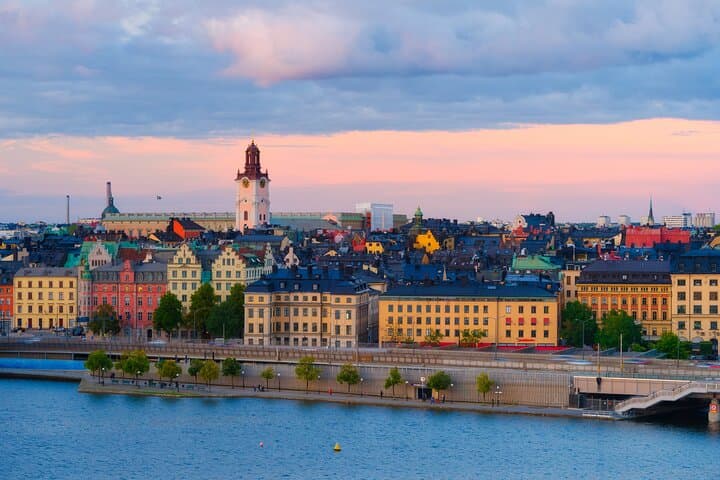
Morning light catches the copper roofs of Gamla Stan as a small private group slips onto cobblestones, guided through alleys that still remember merchants, masons and royal processions.
Morning light catches the copper roofs of Gamla Stan as a small private group slips onto cobblestones, guided through alleys that still remember merchants, masons and royal processions.
The tour opens in Stockholm’s Old Town, where 13th–17th century facades and narrow squares frame the Royal Palace and the Nobel Museum’s exhibits on ideas that shaped modern history. A short drive brings you to City Hall — Gustavian granite and red brick meeting the waters of Lake Mälaren — then on to the Vasa Museum to stand face-to-face with a 17th‑century warship that drowned and was salvaged centuries later, its timbers preserving a time of empire, trade and seafaring craft.
Geologically, Stockholm sits on ancient Baltic Shield granite, punctuated by islands shaped by glacial action and post‑glacial rebound; the city’s lines of sight open to the archipelago where sea and sky test the horizon.
Culturally, the route threads modern Swedish design and civic pride with centuries of maritime history. Guides often point out Skansen’s open‑air exhibits and Södermalm’s working‑class roots before the climb to Fjällgatan’s rooftop view.
Practical guidance: wear supportive walking shoes for uneven stone, bring a weather layer — conditions change fast near the water — and plan lunch at the Vasa café or a nearby bistro. Allow roughly seven hours for a relaxed pace, and book entrance tickets in advance if you prefer to skip lines. For photographers, late afternoon light over the archipelago is best; for quieter streets, start as close to opening time as possible.