THE ADVENTURE COLLECTIVE® · Independent discovery and booking for outdoor travel

A comfortable private drive through St. Lucia’s top coastal draws — markets, fishing villages, a scenic Pitons viewpoint, mud baths and a waterfall. Ideal for travelers who want big views and local flavors without a strenuous hike.
A comfortable private drive through St. Lucia’s top coastal draws — markets, fishing villages, a scenic Pitons viewpoint, mud baths and a waterfall. Ideal for travelers who want big views and local flavors without a strenuous hike.
You start with the sea on one side and a ribbon of road carving the island on the other — warm air carries spices and salt as the vehicle eases out of Gros Islet toward the west coast. The driver guides through market stalls where vendors lay out mangoes and batik shirts, then toward the patchwork of fishing villages whose painted houses lean toward the sea.
Verified experiences and guided adventures in the surrounding area.
Operated by Island Chauffeur Taxi & Tours · Gros Islet, St. Lucia
You start with the sea on one side and a ribbon of road carving the island on the other — warm air carries spices and salt as the vehicle eases out of Gros Islet toward the west coast. The driver guides through market stalls where vendors lay out mangoes and batik shirts, then toward the patchwork of fishing villages whose painted houses lean toward the sea.
This loop covers the island’s layered history: colonial-era market culture in Castries, fishing traditions along the north shore, and the volcanic bones of the south where the twin Pitons rise — volcanic plugs formed millions of years ago and now a UNESCO-protected landmark. Culture here is immediate: roadside fry shops, chocolate made from local cacao estates, and Sunday-evening rhythms that shaped community life.
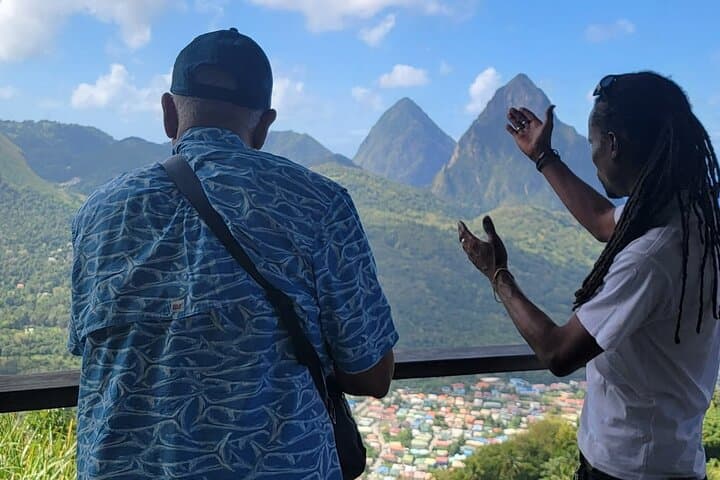
Expect short stops rather than hikes: a relaxed look at Castries Market, a village drive-by with options to taste fried fish, a photo stop to frame the Pitons, a dip in a warm mineral mud bath, and a calm waterfall that requires minimal walking. Birdsong and surf set the soundtrack; the guide handles logistics and local context so travelers can focus on photos and flavors.
Practical guidance: carry reef-safe sunscreen, light rain layer (sudden showers are common), comfortable non-slip shoes for uneven village paths, and cash for small vendors. Timings run 3–4 hours; mornings are cooler and better for clear Piton views. This is a low-impact, accessible way to sample St. Lucia’s geology, small-scale food culture, and coastal scenery in a single, comfortable outing.
easy.
3–4 hours.
Suitable for most fitness levels; minimal walking required, mostly short stops and light on-foot exploration
Yes — most operators include hotel and cruise port pick-up and drop-off; specify your pickup point when booking.
Mud baths are generally safe but may not be advisable for very young children, pregnant travelers, or those with certain skin conditions — check with your guide for specifics.
Walking is minimal: short strolls at market stops, short uneven paths at the waterfall and mud bath; no long hikes are part of this itinerary.
Some stops like the mud bath or specific visitor sites may require additional admission; confirm inclusions when booking to avoid surprises.
St. Lucia’s coastal settlements grew around fishing and colonial-era markets; the Pitons are volcanic plugs that remain a central cultural and geological landmark.
The Pitons Management Area is a UNESCO site; visitors should use reef-safe sunscreens, avoid trampling vegetation, and support local businesses to spread tourism benefits sustainably.
Island Chauffeur Taxi & Tours operates guided outdoor trips and adventures with an emphasis on safety, stewardship, and memorable experiences.


You start with the sea on one side and a ribbon of road carving the island on the other — warm air carries spices and salt as the vehicle eases out of Gros Islet toward the west coast. The driver guides through market stalls where vendors lay out mangoes and batik shirts, then toward the patchwork of fishing villages whose painted houses lean toward the sea.
You start with the sea on one side and a ribbon of road carving the island on the other — warm air carries spices and salt as the vehicle eases out of Gros Islet toward the west coast. The driver guides through market stalls where vendors lay out mangoes and batik shirts, then toward the patchwork of fishing villages whose painted houses lean toward the sea.
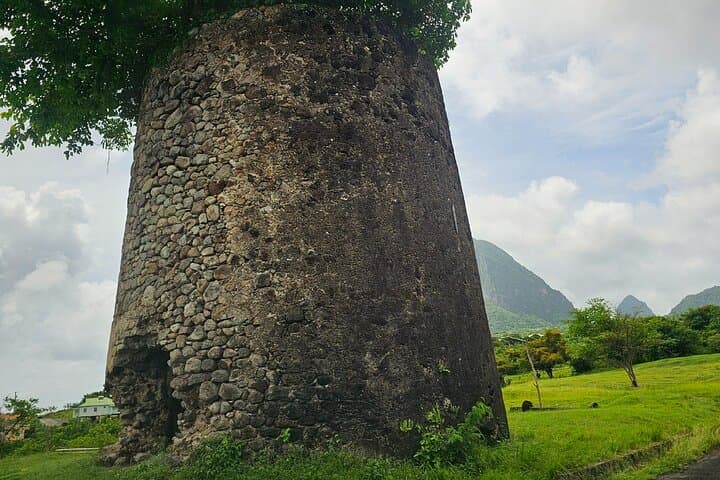
This loop covers the island’s layered history: colonial-era market culture in Castries, fishing traditions along the north shore, and the volcanic bones of the south where the twin Pitons rise — volcanic plugs formed millions of years ago and now a UNESCO-protected landmark. Culture here is immediate: roadside fry shops, chocolate made from local cacao estates, and Sunday-evening rhythms that shaped community life.
Expect short stops rather than hikes: a relaxed look at Castries Market, a village drive-by with options to taste fried fish, a photo stop to frame the Pitons, a dip in a warm mineral mud bath, and a calm waterfall that requires minimal walking. Birdsong and surf set the soundtrack; the guide handles logistics and local context so travelers can focus on photos and flavors.
Practical guidance: carry reef-safe sunscreen, light rain layer (sudden showers are common), comfortable non-slip shoes for uneven village paths, and cash for small vendors. Timings run 3–4 hours; mornings are cooler and better for clear Piton views. This is a low-impact, accessible way to sample St. Lucia’s geology, small-scale food culture, and coastal scenery in a single, comfortable outing.