THE ADVENTURE COLLECTIVE® · Independent discovery and booking for outdoor travel

A sober, privately guided day tour from Sarajevo to the Srebrenica Memorial Center and cemetery in Potočari. Expect a 2½‑hour drive each way, explicit historical exhibits, and a deeply affecting visit that requires respectful conduct and emotional preparedness.
A sober, privately guided day tour from Sarajevo to the Srebrenica Memorial Center and cemetery in Potočari. Expect a 2½‑hour drive each way, explicit historical exhibits, and a deeply affecting visit that requires respectful conduct and emotional preparedness.
You leave Sarajevo before dawn and the hills flatten into a wide, patchwork valley as the road winds east toward Srebrenica. By mid-morning the bus eases into Potočari: a low cluster of buildings, a memorial center’s clean façade, and rows of pale headstones spreading across a slope. The place quiets you; the landscape seems to hold its breath.
Verified experiences and guided adventures in the surrounding area.
Operated by Torus Tours · Srebrenica, Republika Srpska
You leave Sarajevo before dawn and the hills flatten into a wide, patchwork valley as the road winds east toward Srebrenica. By mid-morning the bus eases into Potočari: a low cluster of buildings, a memorial center’s clean façade, and rows of pale headstones spreading across a slope. The place quiets you; the landscape seems to hold its breath.
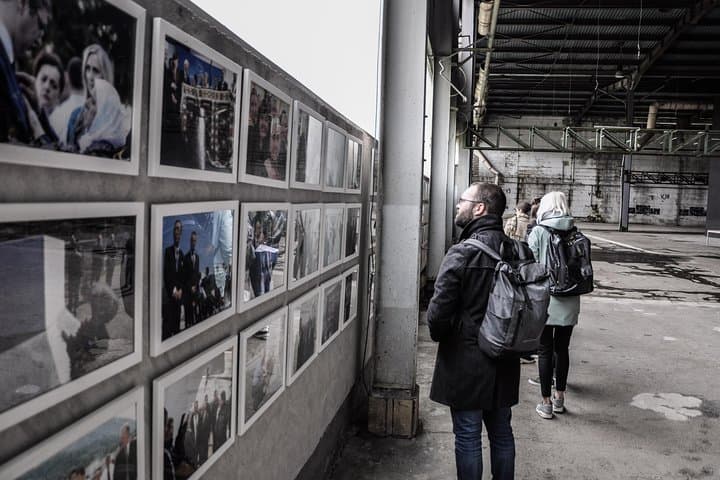
The Srebrenica massacre of July 1995 resulted in the deaths of more than 8,000 Bosniak men and boys; international courts have recognized it as genocide. The Memorial Center at Potočari documents that summer with audiovisual testimony, recovered remains, and a registry of the identified victims. The cemetery and memorial wall list names and offer spaces for private reflection—visitors should expect imagery and footage that are explicit and emotionally heavy. The memorial complex was formally opened in 2003 and continues to receive families returning to identify remains and mark anniversaries.
On this private day tour from Sarajevo (roughly 2½ hours each way), you’ll move between the museum, memorial grounds, and town, guided by local context about the wartime geography and post-war recovery. Practicalities matter: plan for several hours of walking on paved and uneven surfaces, and for roadside stops during the drive. Bring layers against variable weather, tissues, and a charged phone if you plan to take photos—note restricted areas and the strong preference for respectful behavior. Morning departures avoid afternoon heat and let you use daylight on the drive back. The experience is not a sightseeing thrill but a carefully guided visit to a site of recent history; prepare mentally and travel with patience and respect.
easy.
8–10 hours.
Suitable for most fitness levels; requires several hours of standing and walking on uneven surfaces.
Expect 8–10 hours total: roughly 2.5 hours each way by road and 2–4 hours on site depending on how long you spend at the Memorial Center and cemetery.
The content is explicit and emotionally intense; many families choose to leave younger children at the hotel—use discretion based on the child’s maturity.
Admission to the Memorial Center is generally included with this private tour, but confirm at booking if there are any separate fees or closures.
Photography is allowed in many outdoor and museum areas, but be respectful of mourners and obey signage and staff instructions—some exhibits may be restricted.
Srebrenica was declared a UN 'safe area' in 1993 but was overtaken in July 1995; identification and burial of victims has continued for decades using DNA to match remains to family samples.
The memorial emphasizes respectful site management; visitors should avoid leaving items on graves or disturbing marked areas to preserve the dignity of burial sites.
Torus Tours operates guided outdoor trips and adventures with an emphasis on safety, stewardship, and memorable experiences.
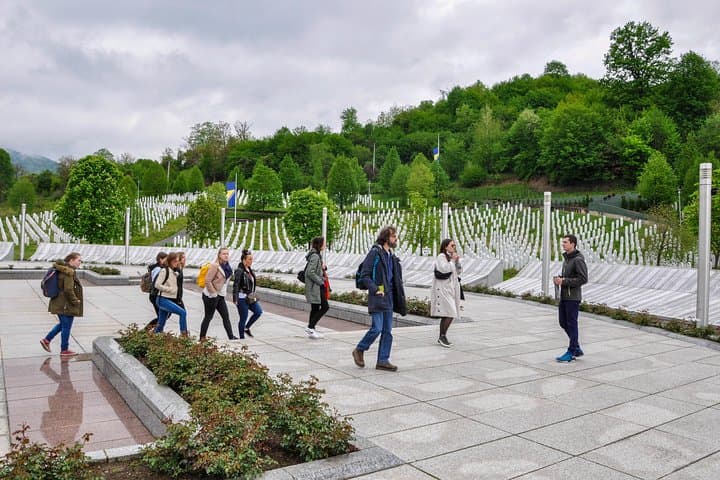


You leave Sarajevo before dawn and the hills flatten into a wide, patchwork valley as the road winds east toward Srebrenica. By mid-morning the bus eases into Potočari: a low cluster of buildings, a memorial center’s clean façade, and rows of pale headstones spreading across a slope. The place quiets you; the landscape seems to hold its breath.
You leave Sarajevo before dawn and the hills flatten into a wide, patchwork valley as the road winds east toward Srebrenica. By mid-morning the bus eases into Potočari: a low cluster of buildings, a memorial center’s clean façade, and rows of pale headstones spreading across a slope. The place quiets you; the landscape seems to hold its breath.
The Srebrenica massacre of July 1995 resulted in the deaths of more than 8,000 Bosniak men and boys; international courts have recognized it as genocide. The Memorial Center at Potočari documents that summer with audiovisual testimony, recovered remains, and a registry of the identified victims. The cemetery and memorial wall list names and offer spaces for private reflection—visitors should expect imagery and footage that are explicit and emotionally heavy. The memorial complex was formally opened in 2003 and continues to receive families returning to identify remains and mark anniversaries.
On this private day tour from Sarajevo (roughly 2½ hours each way), you’ll move between the museum, memorial grounds, and town, guided by local context about the wartime geography and post-war recovery. Practicalities matter: plan for several hours of walking on paved and uneven surfaces, and for roadside stops during the drive. Bring layers against variable weather, tissues, and a charged phone if you plan to take photos—note restricted areas and the strong preference for respectful behavior. Morning departures avoid afternoon heat and let you use daylight on the drive back. The experience is not a sightseeing thrill but a carefully guided visit to a site of recent history; prepare mentally and travel with patience and respect.